


The outbreak of a global pandemic brings unforeseen challenges to the intricate network that moves essential commodities from fields to markets. Among the most vulnerable sectors is the grain industry, where even slight interruptions can cascade into widespread supply disruptions and price volatility. This article examines how pandemics disrupt logistics for grains and related markets, exploring key bottlenecks, economic ramifications, and adaptive strategies that stakeholders can employ to bolster resilience.
Supply Chain Interruptions and Transportation Constraints
Labor Shortages at Critical Nodes
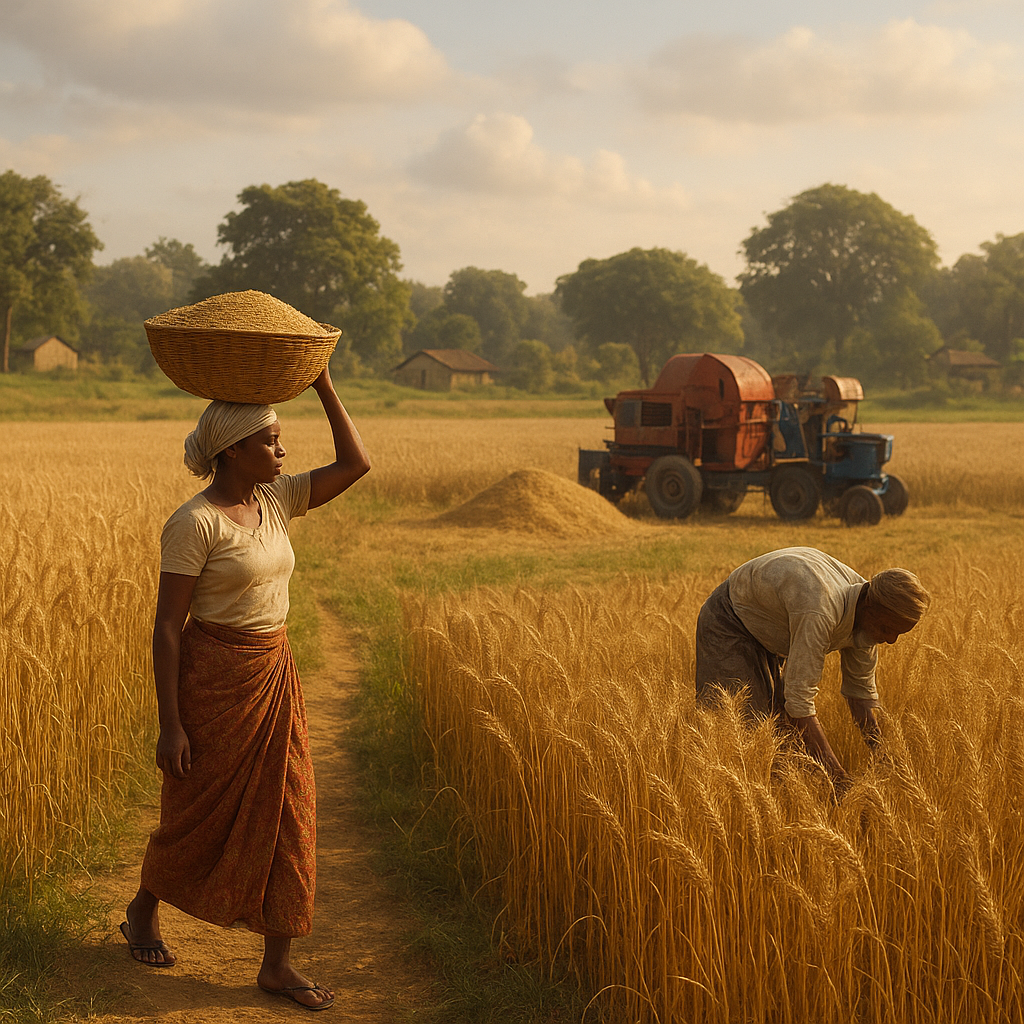
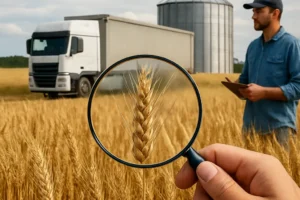
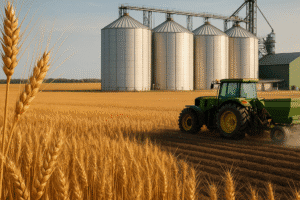
Pandemic-related health measures often lead to workforce reductions at farms, processing facilities, and transport hubs. When workers fall ill or are subject to quarantine, the handling capacity of grain elevators and milling plants declines significantly. The shortage of qualified personnel for operating heavy machinery and performing manual tasks creates bottlenecks that delay harvest, loading, and unloading operations. Consequently, storage facilities may reach capacity, forcing farmers to halt deliveries and leaving harvested grain unprotected in the fields.
Freight and Shipping Disruptions
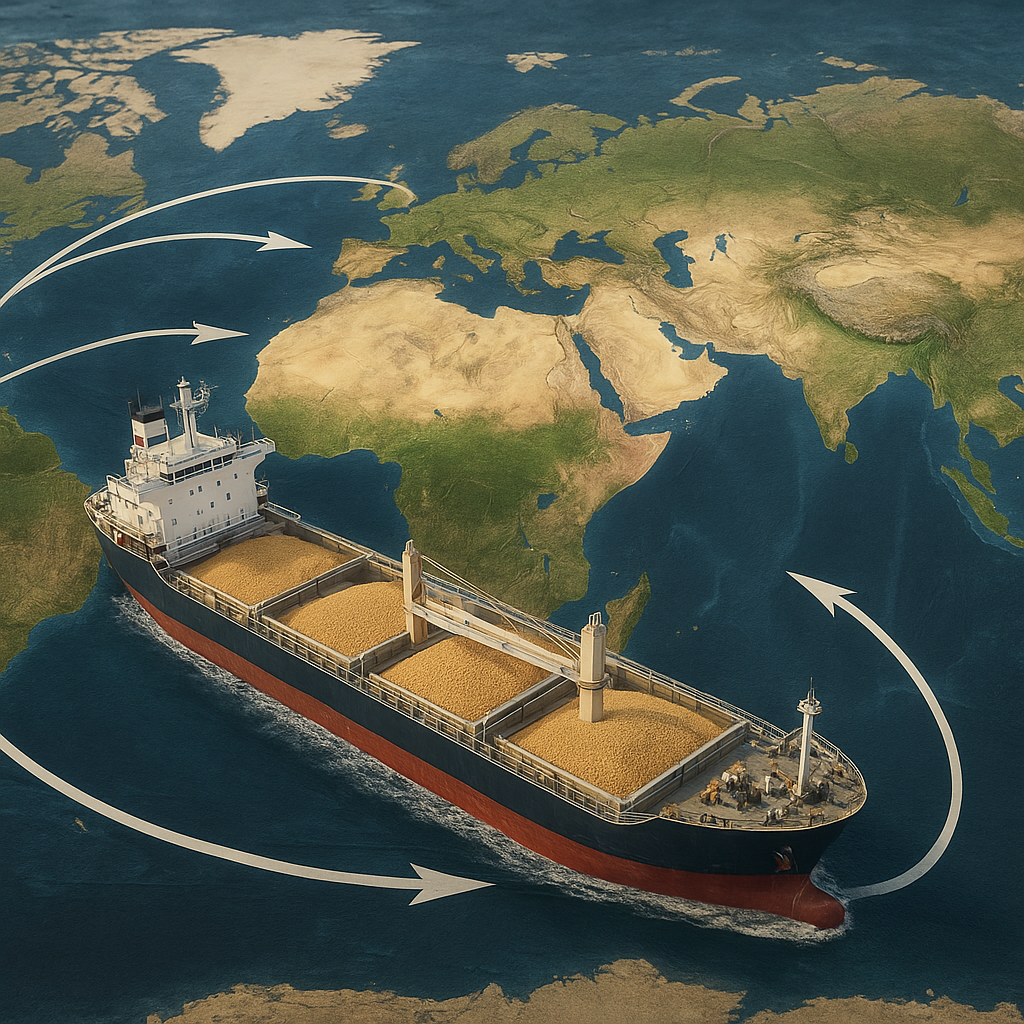
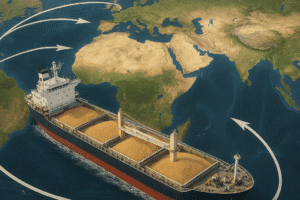
Global pandemics trigger shutdowns of international borders and ports, complicating the movement of goods by sea, rail, and road. Restrictions on crew changes exacerbate delays for ocean vessels, while stringent health checks slow port clearance processes. Overland transport faces similar challenges: trucking companies struggle with limited cross-border permits and mandatory health screenings at checkpoints, reducing available haulage capacity. These delays translate into higher logistic costs and extended lead times, impacting the entire supply chain.
Infrastructure Maintenance and Investment Delays
With government budgets diverted towards emergency health spending, maintenance projects for roads, railways, and port terminals are often postponed. Deferred investments in infrastructure modernization lead to equipment breakdowns, outdated loading systems, and capacity constraints at critical nodes. The lack of timely upgrades can compound delays, making it difficult for grain exporters to meet delivery schedules and contractual obligations.
Market Dynamics and Economic Impacts
Price Volatility and Speculation
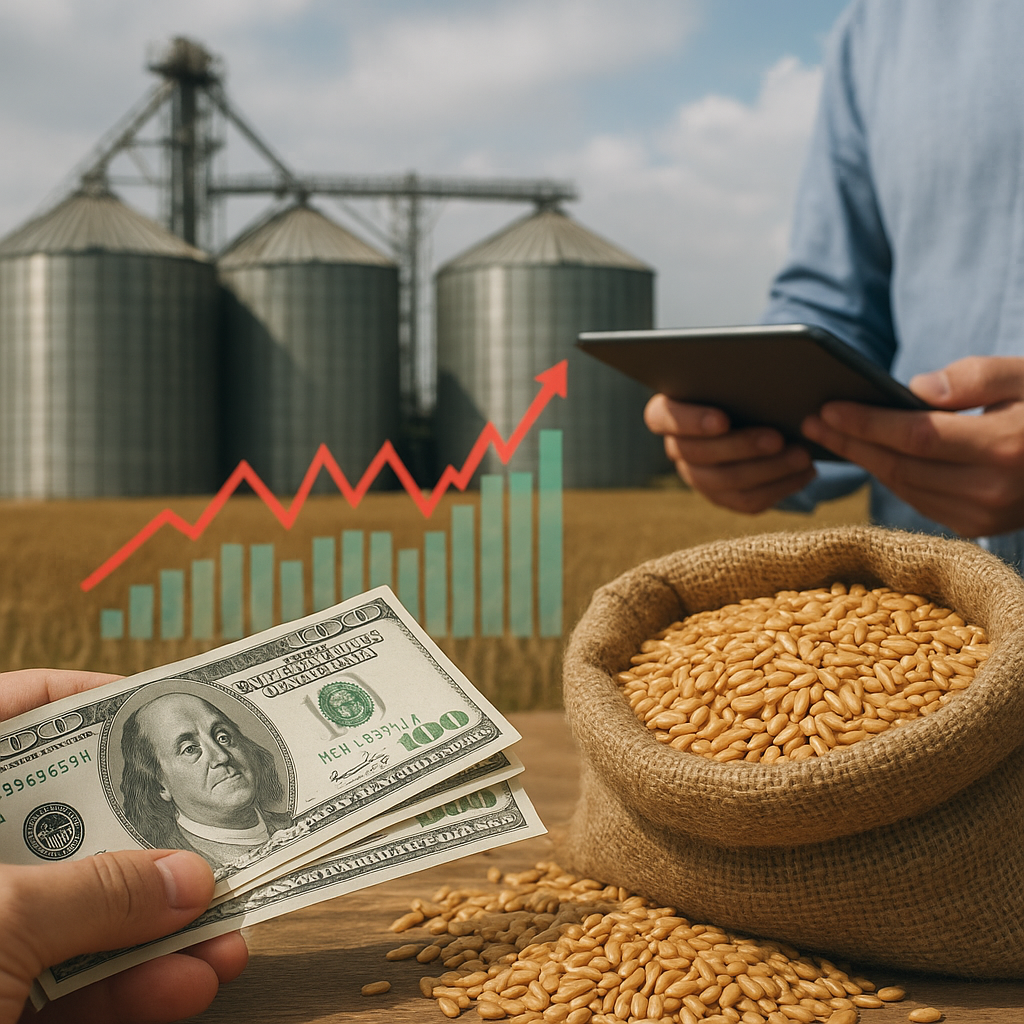
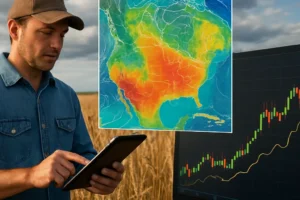
As logistical hiccups cause uncertainty in grain availability, commodity prices can swing dramatically. Traders and investors may engage in speculative behavior, amplifying price fluctuations. For importing countries heavily reliant on stable supplies for food security, sudden spikes in grain prices can trigger panic buying and hoarding strategies. This, in turn, further strains global markets and heightens demand shocks.
Export Restrictions and Trade Policies
In an effort to secure domestic food supplies during crises, some grain-producing nations impose export bans or quotas. Such measures disrupt established trade patterns and deprive importing countries of reliable sources of staple cereals like wheat, corn, and rice. These policy shifts often lead to diplomatic tensions and retaliatory actions, undermining long-term cooperation in international agricultural markets. The resultant fragmentation of trade flows undermines overall export growth and creates inefficiencies.
Impact on Smallholder Farmers and Local Economies
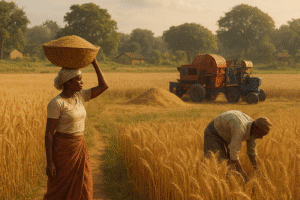
Small-scale producers in developing regions bear the brunt of pandemic-induced disruptions. Limited access to cold storage, reduced transport options, and weakened bargaining power leave them vulnerable to price swings and market closures. As large buyers reduce procurement or delay payments, farmers may be forced to sell at distressed prices or discard excess grain. The decline in rural incomes affects local consumption and investment, perpetuating cycles of poverty and food insecurity.
Adaptive Strategies and Long-Term Resilience
Digitalization and Data-Driven Logistics
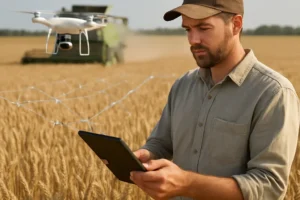
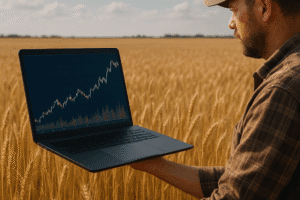
The adoption of digital platforms for tracking shipments, managing inventory, and forecasting demand can mitigate the impact of labor and transport constraints. Real-time analytics enable stakeholders to identify bottlenecks early, reroute shipments around congested ports, and optimize warehouse allocation. Implementing Internet of Things (IoT) sensors in silos and containers provides visibility into grain quality and storage conditions, reducing spoilage and enhancing operational efficiency.
Decentralized Storage and Processing
Establishing smaller, regionally dispersed storage hubs reduces reliance on a few large terminals that can become choke points during a pandemic. Mobile grain dryers and modular milling units bring processing closer to farms, shortening haul distances and minimizing handling steps. Such decentralized infrastructure increases flexibility, enabling local communities to maintain access to essential food supplies even when larger logistic corridors are compromised.
Public–Private Collaboration and Policy Innovation
Governments, industry associations, and logistics providers must work in concert to develop contingency plans for future disruptions. Coordinated efforts may include pre-negotiated health protocols for transport workers, prioritized border-clearance lanes for agricultural cargo, and emergency fuel allocations for trucks and locomotives. Financial instruments such as subsidized loans, insurance schemes, and price-stabilization funds can help producers and traders absorb shocks without resorting to distress sales.
Sustainability and Risk Diversification
Promoting diversified sourcing and investing in sustainable supply chains can lower vulnerability to localized outbreaks and policy shifts. Encouraging crop rotation and multi-modal transport options spreads risk across regions and carriers. Emphasizing environmental sustainability—in particular reducing carbon emissions in transportation—aligns with broader climate goals while fostering more robust logistic networks.
The intersection of pandemic challenges and grain logistics highlights the need for innovation, cooperation, and forward-looking policy frameworks. By reinforcing critical infrastructure, leveraging digital tools, and diversifying supply sources, the grain industry can navigate global crises more effectively and safeguard the stability of vital food markets.