






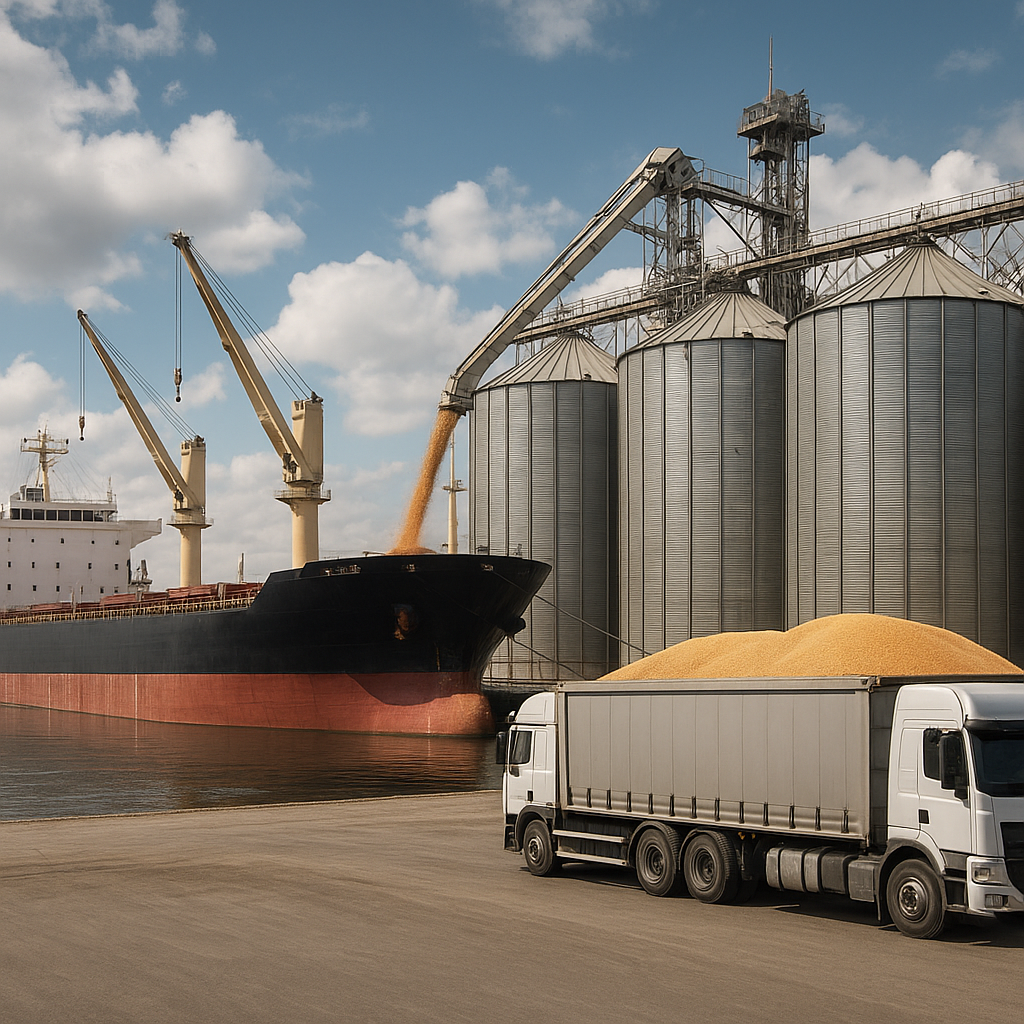
The global grain trade hinges on a complex web of variables, with freight expenses ranking among the most critical factors shaping overall profitability. Shifting sea rates influence the cost of moving vast quantities of wheat, corn, barley and other staples from producing regions to consumer markets. As exporters, importers and traders navigate this landscape, understanding the forces behind shipping fees and adopting effective strategies becomes vital for long-term survival. This article examines the interplay between maritime costs and grain commerce, highlighting methods to mitigate risk and enhance competitive positioning.
Understanding Freight Rate Volatility in Grain Shipping
Freight rates do not fluctuate arbitrarily; they respond to underlying changes in supply and demand for vessel capacity, fuel input prices, and broader economic trends. Key drivers include:
- Global Economic Cycles – Expansion phases tend to boost industrial output and grain consumption, pushing up charter rates.
- Fuel Price Movements – Bunker costs represent a significant share of voyage expenses, making freight sensitivity to oil markets high.
- Fleet Availability – New ship deliveries, scrappage rates and vessel layups influence the balance between available tonnage and cargo volumes.
- Seasonal Harvest Peaks – Large discharges during harvest windows can overwhelm port infrastructure and vessel demand, creating short-term rate spikes.
- Geopolitical Events – Conflicts, sanctions or regional blockades can reroute shipping lanes and alter freight differentials.
In practice, charter parties and time-charter benchmarks like Capesize, Panamax and Supramax indices track these fluctuations. A sudden surge in grain exports from the Black Sea or Argentina, for instance, often translates into an uptick in Panamax rates, which in turn raises the landed cost of grain in East Asia or Europe.
Impact of Freight Rates on Grain Trade Margins
For an exporter operating on thin FOB or CIF contracts, shipping expenses can represent up to 25% of the total landed value, depending on distance and vessel type. Consider two illustrative scenarios:
- Long‐Haul Voyage – Shipping US Gulf wheat to Southeast Asia on a Panamax vessel might incur freight charges of $30 per ton. When local farmgate prices are $200/ton, a 15% cost component emerges solely from ocean transport.
- Short‐Haul Cross‐Trade – Moving Black Sea corn to Mediterranean ports on Handymax ships may cost $12–$15 per ton, but fierce competition and regional cabotage rules can compress margins further.
The interplay between market conditions at origin, destination price differentials and freight quotes determines arbitrage opportunities. A spike in vessel day rates of $5,000 per day, for example, can swing a previously profitable deal into a loss once shipping is factored in. Traders must therefore forecast freight curves alongside grain price curves to secure positive net returns.
Logistical Infrastructure and Export Competitiveness
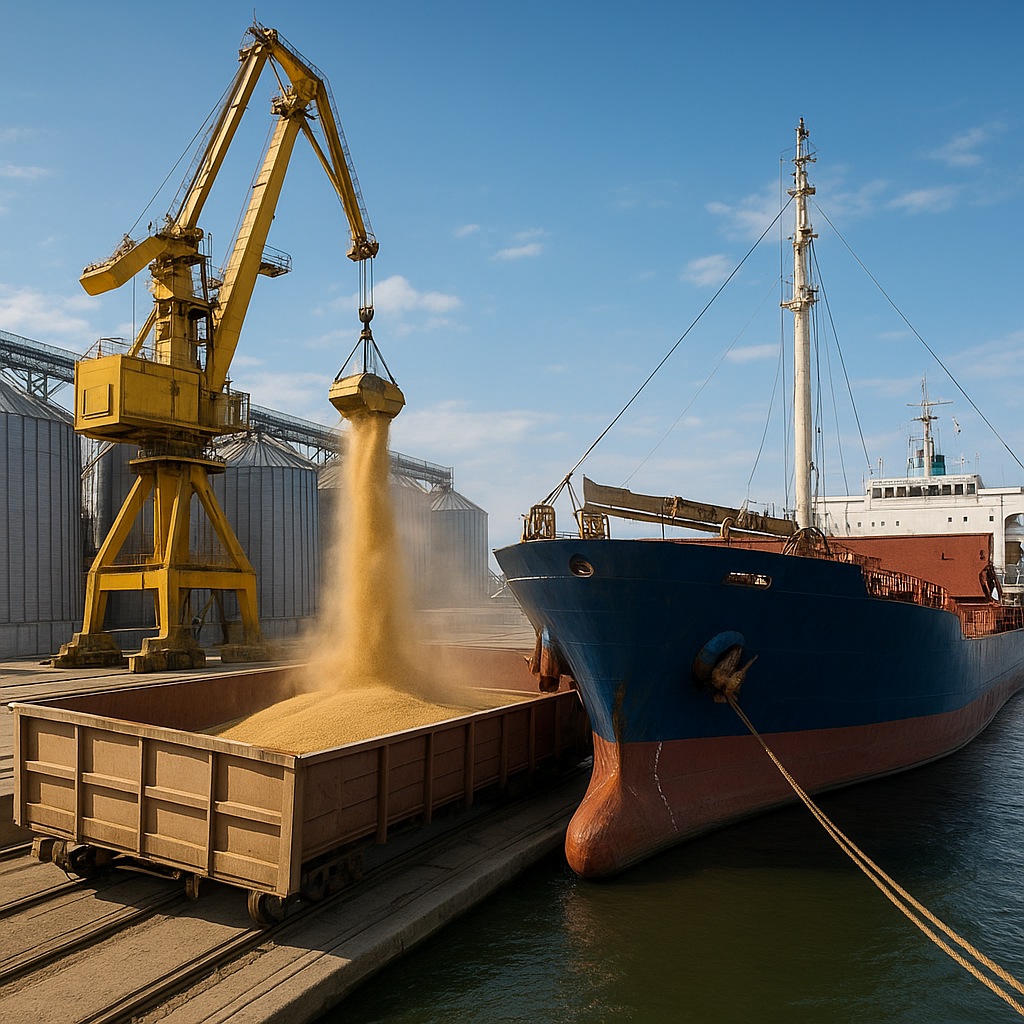
Infrastructure plays a pivotal role in containing shipping costs. Well-equipped load ports, efficient silos, deepwater berths and hinterland connectivity translate into faster turnaround times and lower demurrage penalties. Key considerations include:
- Port Efficiency – Modern terminals with mechanized unloading reduce idle vessel days.
- Rail and Road Links – Reliable inland transport prevents bottlenecks that delay shipments and inflate charter commitments.
- Storage Capacity – Adequate grain handling facilities ensure rapid accumulation and dispatch, smoothing out seasonal supply peaks.
- Digital Platforms – Electronic booking systems and real-time tracking enhance transparency, allowing traders to lock in optimal freight slots.
Nations investing in these areas often gain a pricing edge. For example, a streamlined export corridor in Canada or Australia can offset longer sailing distances by minimizing on-shore delays, keeping freight contributions to total cost under pressure.
Strategies for Mitigating Freight Rate Risks
Given the inherent volatility in ocean shipping, grain merchants and exporters employ various tactics to stabilize logistics expenses:
- Hedging Freight Futures – On benchmarks like the GFI Baltic Panamax Index, traders can secure forward freight agreements (FFAs) to lock in future vessel rates and manage budgetary forecasts.
- Long‐Term Charter Agreements – Establishing multi‐year contracts with reliable shipping lines reduces exposure to spot market swings.
- Operational Flexibility – Using different vessel classes (Supramax vs. Handysize) allows adjustments based on cargo size and prevailing day rates.
- Collaborative Logistics – Pooling shipments through alliances or cooperatives can improve bargaining power and lower per-unit transport costs.
- Dynamic Routing – Rerouting around congested or high-tariff zones to maintain competitiveness.
Combining these approaches within a robust risk management framework enables traders to protect margins and react swiftly to market shocks. Real-time freight intelligence, integrated with grain position books, proves invaluable in seizing arbitrage windows.
Emerging Trends and Future Outlook
Technology and sustainability goals are reshaping the grain-shipping landscape. Electric and LNG-powered vessels promise lower emissions and potential fuel cost stabilization. Automation in ports is slated to reduce turnaround times by 20–30%, while blockchain initiatives aim to digitize bill of lading processes, accelerating payments and reducing administrative burdens. At the same time, evolving climate patterns could disrupt critical export nodes, creating new volatility in global freight curves.
Staying ahead in the grain trade requires constant vigilance over freight market signals, a diversified mix of logistical partners and proactive use of financial instruments. By mastering the dynamics of shipping costs, industry participants can unlock marginal gains that accumulate into substantial competitive advantages in increasingly tight commodity markets.