
Farmers across the globe face a complex web of challenges when navigating the grain market. From unpredictable weather patterns to shifting consumer tastes, managing price swings has become a critical skill. This article examines key strategies and tools that producers employ to safeguard their operations and secure stable revenues.
Understanding Grain Market Dynamics
Price Volatility and Drivers
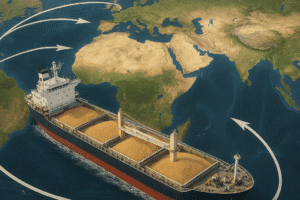
Grain prices are notorious for their volatility, driven by factors such as extreme weather events, geopolitical tensions, and changes in global trade policies. A single drought in a major producing region can send shockwaves through commodity exchanges, forcing spot prices to spike. Conversely, bumper harvests and ample global inventories can lead to price slumps, hurting farm incomes.
- Weather anomalies: droughts, floods, heat waves
- Policy shifts: export bans, tariff adjustments
- Currency fluctuations: impacts on export competitiveness
Supply and Demand Patterns
Understanding the balance of supply and demand is essential for anticipating market trends. Growing populations and rising incomes in emerging economies boost demand for grains, especially those used in processed foods and animal feed. On the supply side, advances in seed genetics and precision farming have improved yields but also raised production costs through increased input spending on fertilizers and machinery.
Financial Instruments for Risk Mitigation
Futures Contracts
One of the most popular tools for farmers is the use of futures contracts on commodity exchanges. By locking in a price today for a future delivery date, producers can protect themselves against adverse price movements:
- Margin requirements ensure both parties fulfill obligations
- Standardized contract sizes and delivery months provide liquidity
- Speculators help maintain an active market, enhancing price discovery
However, futures trading requires constant monitoring of margin calls and an understanding of contract specifications to avoid unintended exposures.
Options Strategies
Options provide asymmetric risk management by granting the holder the right, but not the obligation, to buy or sell grain at a predetermined price. Farmers often use put options to establish a minimum sale price while retaining the ability to benefit from favorable price rallies. Conversely, call options can be used when hedging forward purchases of inputs like fertilizer:
- Premium costs: balancing protection level against expense
- Strike price selection: aligning with cost of production targets
- Expiration dates: matching harvest or input purchase timelines
Leveraging options demands a clear grasp of time decay and implied volatility metrics.
Forward Contracts
Unlike exchange-traded instruments, forward contracts are customized agreements between a buyer and a seller. These allow farmers and grain elevators or end users to negotiate tailored terms regarding quantity, quality, and delivery. While forward contracts eliminate exchange fees, they introduce counterparty risk if one party defaults. Therefore, producers often partner with reputable cooperatives or trading houses that guarantee performance.
Operational Practices and Market Intelligence
Storage and Timing
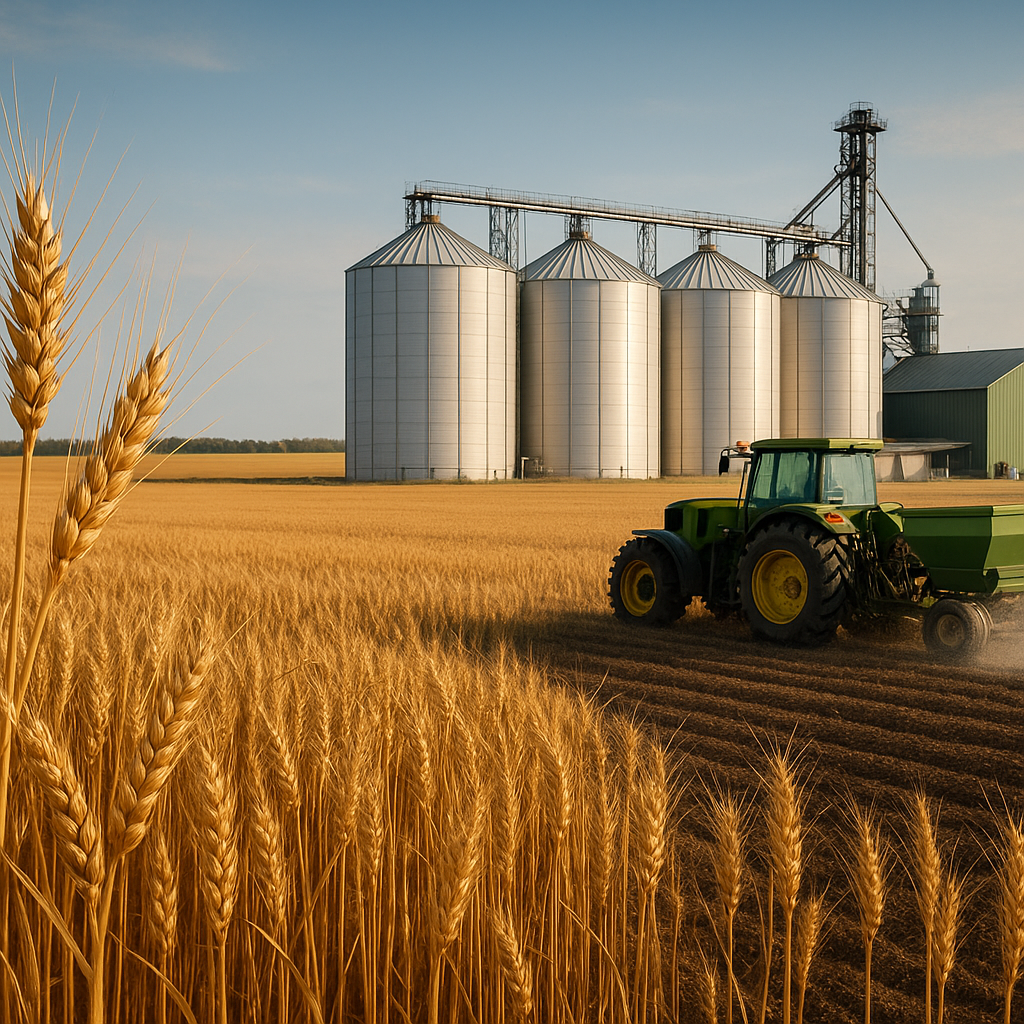
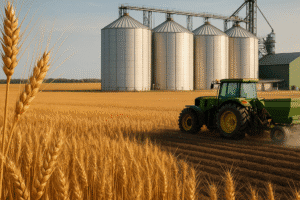
Proper storage facilities empower farmers to implement a “store and sell later” approach, a simple yet effective hedge against immediate market lows. By drying and storing grain on-farm, producers can wait for seasonal price rallies—often occurring during planting seasons when supply is tight. This strategy, however, requires investment in bins, aeration systems, and ongoing quality monitoring to prevent spoilage:
- Bin management: temperature and moisture control
- Maintenance: pest control and structural inspections
- Inventory tracking: precise record-keeping for marketing decisions
Diversification of Crops and Markets
Diversification is a classic risk management technique. By rotating between grains (corn, wheat, barley) and alternative crops (soybeans, sorghum), farmers reduce their exposure to any single commodity’s downturn. Furthermore, exploring new markets—such as biofuel producers or specialty food processors—can open premium outlets and spread risk across multiple buyer segments. This diversification also includes geographic diversification, with some operations splitting production between different climatic zones to counter region-specific weather threats.
Collecting and Analyzing Market Data
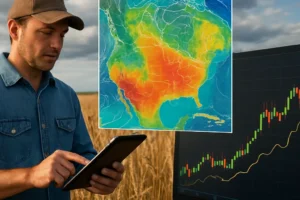
Access to timely market intelligence is vital. Many producers subscribe to grain market newsletters, attend virtual webinars, and use online platforms offering real-time price data and weather forecasts. Analytical tools that integrate satellite imagery, yield projections, and export shipping manifests help farmers refine their marketing plans:
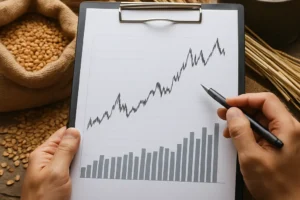
- Price trend charts and technical indicators
- Fundamental analysis: stock-to-use ratios, planting intentions
- Scenario planning: stress-testing different price and yield outcomes
Collaboration with Cooperatives and Experts
Joining a cooperative often provides small and medium-sized farmers with greater bargaining power and access to professional grain marketing teams. These specialists offer pooled marketing approaches, enabling bulk hedging and shared storage resources. Farmers can also engage consultants or financial advisors to develop customized hedging plans that align with their cash flow needs and risk appetites. Additionally, partnerships with agronomists help optimize field operations, indirectly supporting price risk management by reducing yield variability.
Enhancing Market Access and Liquidity
Engaging Spot and Cash Markets
While futures and forwards are vital, the spot market remains crucial for immediate sales. Maintaining relationships with local grain buyers, feed mills, and exporters ensures that farmers can quickly move grain during unexpected price surges or urgent cash requirements. Having a network of ready buyers also improves liquidity, reducing the risk of being forced to sell at distressed prices.
Utilizing Crop Insurance and Government Programs
Many countries offer subsidized crop insurance plans that cover revenue shortfalls due to price declines or yield losses. Programs like revenue protection policies blend yield and price safeguards into a single package. Additionally, government support measures—such as loan deficiency payments or marketing assistance loans—provide financial relief when market prices fall below specified thresholds.
Innovations in Digital Trading Platforms
Emerging blockchain-based and peer-to-peer trading platforms are revolutionizing grain transactions by reducing intermediaries and enhancing transparency. Smart contracts can automatically settle trades once predefined conditions are met, cutting payment delays and lowering transaction costs. Early adopters of these technologies may gain a competitive edge through faster execution and better traceability of grain origins.
Building Resilience for the Future
Continuous Learning and Adaptation
The grain market is ever-evolving, and successful producers cultivate a mindset of continuous improvement. Participating in agricultural conferences, benchmarking against peer performance, and evaluating post-season outcomes are all part of a proactive risk management culture. By staying informed on emerging risks—such as carbon pricing or shifting consumer preferences for non-GMO or organic grains—farmers can anticipate changes before they become threats.
Integrating Sustainability Practices
Sustainability initiatives, like reduced tillage and nutrient management plans, not only deliver environmental benefits but can also stabilize yields over time. Consistent production levels contribute to more predictable marketing volumes, smoothing out cash flow cycles. Moreover, demonstrating sustainable credentials may unlock access to green financing options and premiums from eco-conscious buyers.
Leveraging Technology and Automation
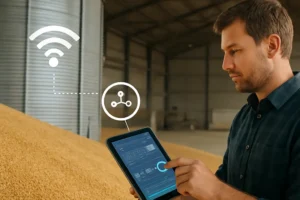
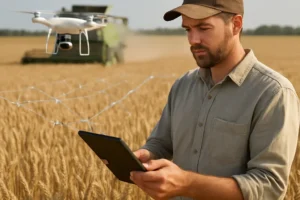
Advances in robotics, IoT sensors, and machine learning offer unprecedented visibility into crop health and market signals. Autonomous harvesters and grain sampling drones speed post-harvest operations, letting farmers react faster to market openings. Automated decision-support systems can issue alerts when price thresholds are met or when storage conditions risk quality deterioration, enabling timely interventions.
Effectively managing grain price risk requires a multifaceted approach, blending financial savvy, operational excellence, and strategic planning. By deploying a balanced mix of tools—from futures and options to storage and digital data platforms—farmers can navigate the fluctuations of the global grain market with confidence and resilience.