



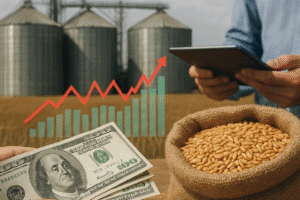

The modern landscape of global grain trade has become increasingly complex, with various governments imposing export restrictions in attempts to secure domestic food security and stabilize internal prices. While these measures may offer short-term relief to local producers and consumers, they often lead to unintended distortions throughout the international market. This article explores how export controls reshape supply chains, drive price volatility, and prompt shifts in policy approaches, ultimately affecting farmers, traders, and consumers around the world.
Impacts on Global Supply Chains
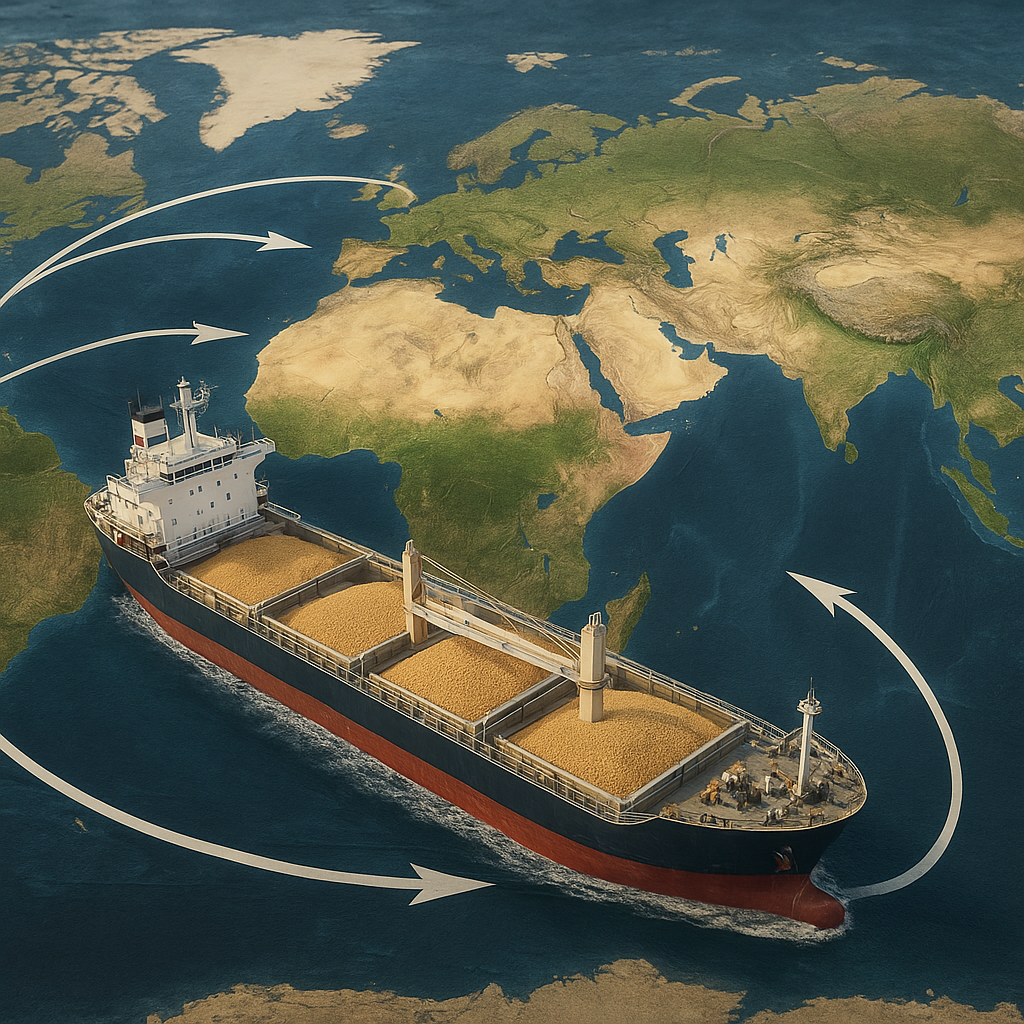
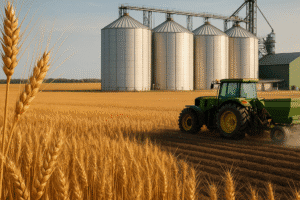
When a key exporting country enacts limits on grain shipments—whether through export quotas, licensing requirements, or outright bans—the ripple effects travel far beyond its borders. Major suppliers such as the United States, Russia, and Ukraine account for a substantial share of the world’s wheat, corn, and barley exports. Restrictions in any of these regions compress the available volume of grain on the international market, triggering a cascade of reactions among buyers, shippers, and destination governments.
Disrupted Logistics and Shipments
Supply-chain managers must scramble to reroute cargoes or secure alternative suppliers at short notice. This has several consequences:
- Increased transportation costs as vessels idle or divert to new ports.
- Extended waiting times for export permits and customs clearance.
- Heightened risk of spoilage and storage constraints, especially for perishable grains.
As a result, traders often demand higher freight rates or insurance premiums to cover political and regulatory uncertainty. Smaller import-dependent nations with limited purchasing power bear the brunt, facing unpredictable arrival schedules and price surges.
Shift to Alternative Suppliers
Large-scale buyers, including milling corporations and animal-feed producers, begin seeking new sources of supply. Emerging exporters in South America, Africa, or Central Asia may capture market share, but their production costs and logistical capacity can be less efficient. This diversification, while seeking resilience, can introduce new layers of inefficiency:
- Variable quality standards requiring additional processing steps.
- Higher carbon footprint due to longer shipping distances.
- Potential geopolitical entanglements if supply routes cross unstable regions.
Price Volatility and Market Uncertainty
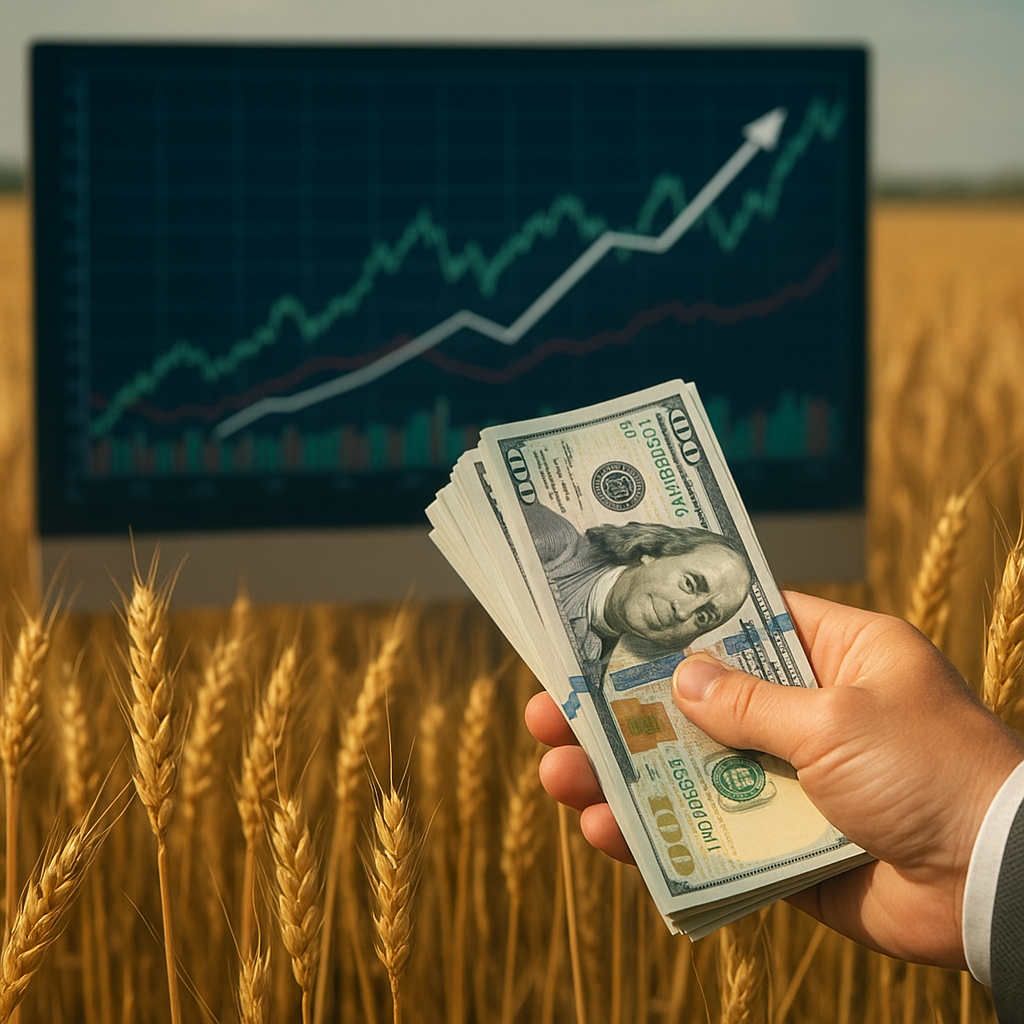
Export restrictions serve as a trigger for sudden price swings, undermining market transparency and forecasting. Global grain benchmarks such as the Chicago Board of Trade (CBOT) often spike on news of export bans from a major exporter, reflecting traders’ expectations of a tighter global balance.
Speculative Behavior
With physical supplies constrained, financial actors may increase speculative positions in grain futures and options. This speculative trading can amplify short-term price movements, decoupling futures curves from actual supply-demand fundamentals. Three major effects follow:
- Heightened volatility discourages long-term contracting by millers and feedlots.
- Smallholders in import-dependent countries hesitate to invest in planting decisions due to price unpredictability.
- Retail food prices climb as wholesalers hedge against potential supply gaps.
Consumer Impact
End consumers, particularly in low-income nations, face rising bread, pasta, and cereal costs. Governments attempting to shield vulnerable populations may resort to subsidies or price controls, further straining public budgets. Distorted market signals reduce producers’ incentives to expand output, creating a vicious cycle of tightening supply and persistent inflation.
Policy Responses and Long-term Consequences
Over time, the accumulation of export restrictions can reshape the entire architecture of grain trade. Policymakers and industry stakeholders must weigh short-term gains against broader threats to food security and economic stability.
Regional Trade Agreements
One response has been the negotiation of bilateral or regional trade pacts that include clauses preventing unilateral export curbs. These agreements strive to create buffer stocks or emergency response mechanisms shared among signatories. Key features often include:
- Pre-agreed release protocols for national reserves during crises.
- Regulated export fee schedules instead of outright bans.
- Transparency measures requiring advance notice of policy changes.
Such frameworks can temper the worst distortions, but they require strong governance and mutual trust among partner nations.
Private Sector Innovations
Grain traders and processors are adapting through investments in supply-chain technology. Blockchain platforms, for instance, improve traceability and reduce administrative delays. Satellite-based yield forecasts help buyers preempt shortages, smoothing purchasing strategies even when export policies shift abruptly. Additional measures include:
- Participating in public-private emergency grain corridors.
- Establishing off-shore storage facilities near major ports.
- Securing flexible shipping charters for rapid redeployment.
Future Risks and Considerations
While export restrictions remain a tempting policy instrument during food crises or geopolitical tensions, they carry long-term risks:
- Encouraging domestic-focused production inefficiencies instead of global specialization.
- Provoking retaliatory measures that further fragment the world market.
- Undermining investments in agricultural research and sustainable intensification.
In the end, striking a balance between protecting local interests and preserving a stable international grain market is crucial. Collaborative policymaking, bolstered by transparency and private-sector agility, offers the best pathway to ensuring sufficient, affordable grain supplies for all.