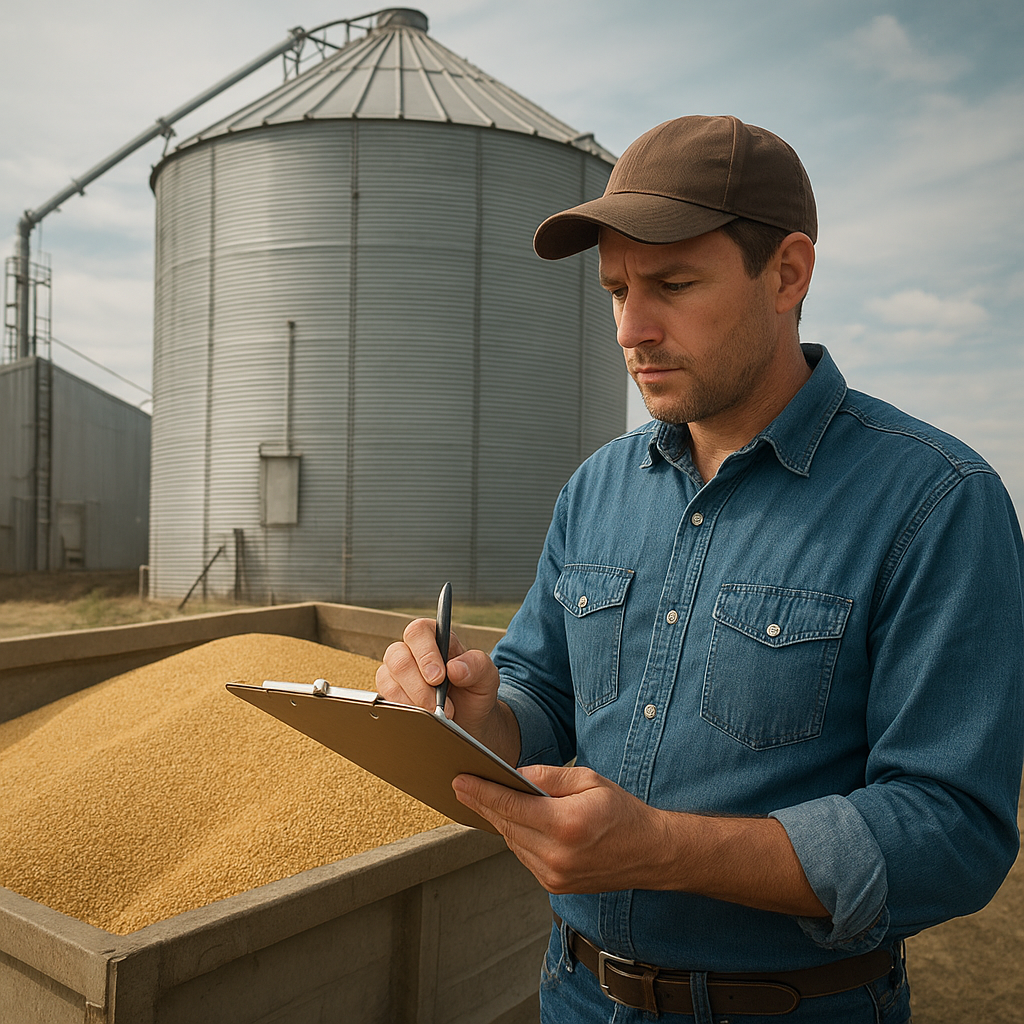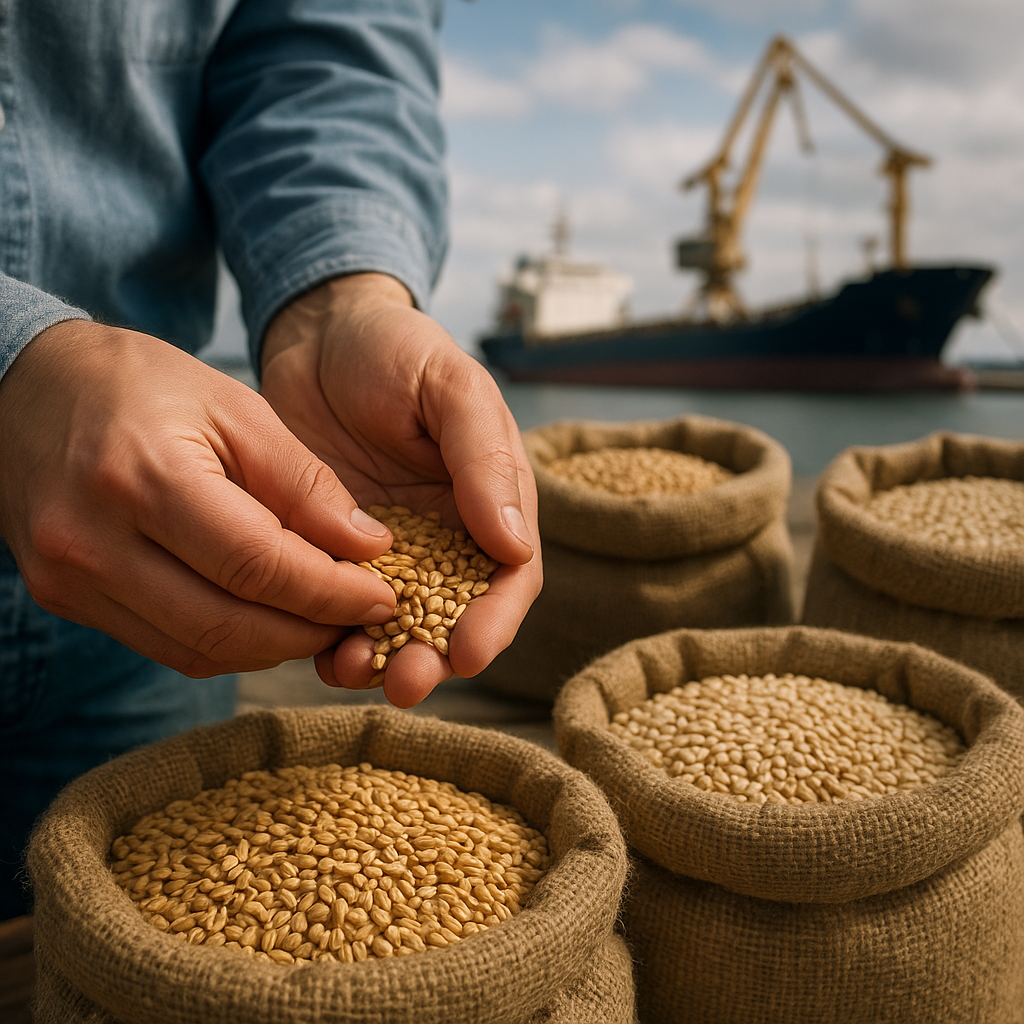

Digital twins have emerged as a transformative tool in modern agriculture, enabling stakeholders to build precise, virtual replicas of physical grain storage facilities. By leveraging advanced sensor networks and cloud-based platforms, these digital counterparts deliver a constant stream of actionable insights, empowering operators to monitor, control, and optimize **grain storage** processes with unprecedented clarity. In an industry where fluctuations in temperature, moisture, and pest activity can drastically affect quality and output, the adoption of digital twins marks the beginning of a new era in **supply chain** resilience and **risk management**.
Integrating Digital Twins into Grain Infrastructure
Implementing a digital twin starts with outfitting silos, bins, and warehouses with an array of **sensors** and data loggers that capture parameters such as temperature, humidity, pressure, and even gas composition. These devices transmit real-time telemetry to a centralized platform, where the digital twin processes and visualizes each data point. The seamless connection between the physical and virtual domains hinges on robust **data integration** and reliable connectivity technologies like 5G or LoRaWAN.
Key steps for integration include:
- Mapping facility geometry and material flow paths
- Deploying sensor arrays at critical control points
- Configuring edge devices for pre-processing data
- Establishing secure cloud connections for continuous updates
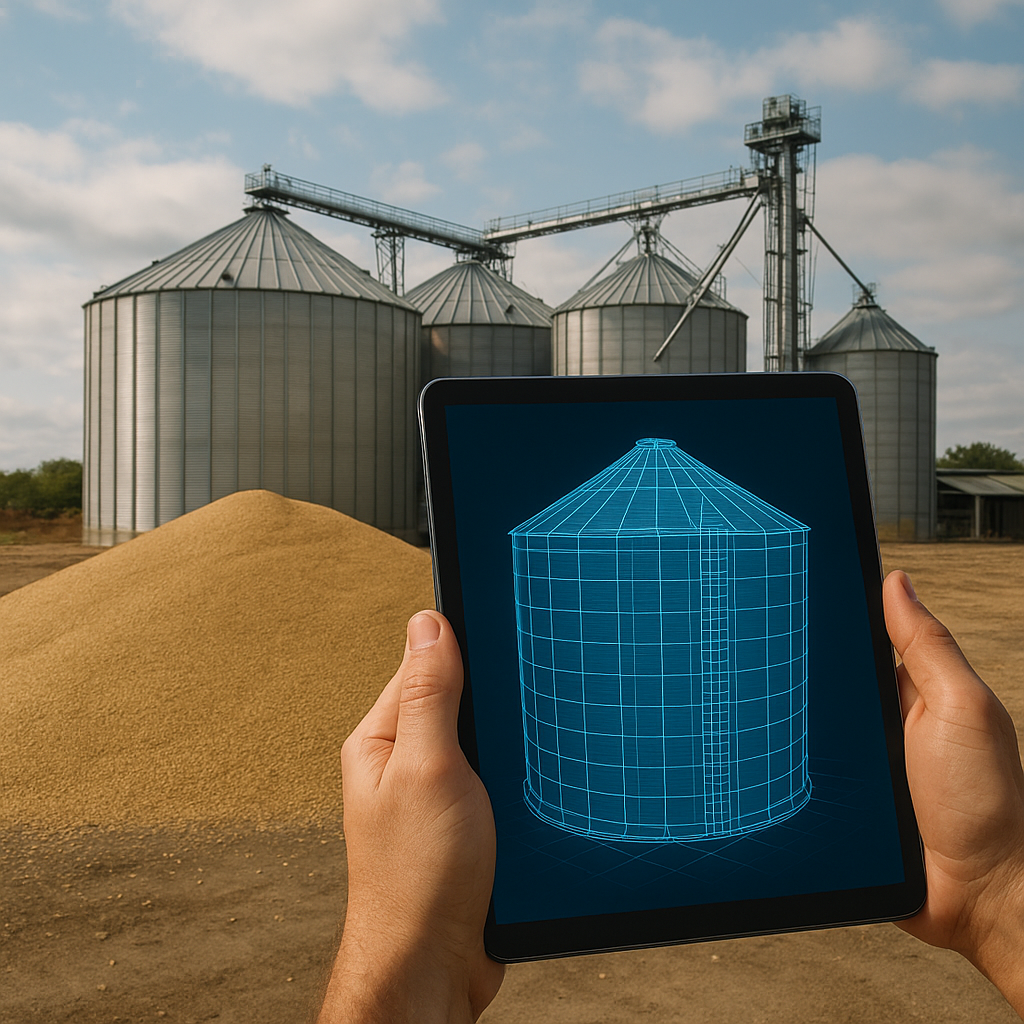
Once the foundation is established, facility managers gain an immersive, 3D representation of each storage unit. Advanced modeling tools simulate airflow dynamics, thermal profiles, and moisture migration, enabling operators to pinpoint areas of potential spoilage or condensation. By overlaying historical performance data onto the real-time model, the digital twin becomes a living repository of insights, ready to drive informed decision-making at every stage.
Enhancing Efficiency and Quality Control
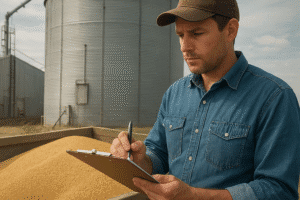
Quality assurance in grain storage traditionally relies on periodic manual inspections and spot sampling. Digital twins revolutionize this process by shifting from reactive checks to proactive monitoring. With continuous data feeds, sophisticated algorithms detect subtle anomalies — for example, a gradual rise in humidity in one corner of a silo — before they escalate into widespread spoilage.
Several benefits arise from this level of oversight:
- Real-time Alerts: Instant notifications when parameters deviate from set thresholds
- Automated Adjustments: Integration with HVAC and aeration systems for automatic climate regulation
- Traceability: End-to-end documentation of storage conditions for regulatory compliance
- Inventory Management: Accurate tracking of grain batches, ages, and intended destinations
For instance, if a hotspot is detected during peak summer temperatures, the digital twin can trigger targeted cooling in that zone while preserving energy in other areas. This **optimization** strategy not only safeguards grain quality but also curtails operational expenses by minimizing unnecessary equipment usage.
Moreover, integration with laboratory data provides cross-validation of moisture and protein content, ensuring that the digital twin’s predictive models remain calibrated. The synergy between physical sampling and virtual simulation yields a robust quality control regimen that adapts in real time to changing environmental conditions.
Data Analytics and Predictive Maintenance
One of the most compelling advantages of digital twins lies in their ability to harness **predictive analytics**. By analyzing historical trends and correlating them with present conditions, the system can forecast potential failures or maintenance needs before they occur. This shift from corrective maintenance to prognostic upkeep translates into significant cost savings and reduced downtime.
Predictive maintenance features typically involve:
- Vibration analysis for conveyor belts and motors
- Thermal imaging to locate hotspots in electrical systems
- Statistical modeling of valve and fan performance
- Anomaly detection algorithms for continuous condition monitoring
In practice, a digital twin not only alerts technicians about an impending motor failure but also suggests an optimal maintenance window that minimizes disruption to grain handling activities. The virtual model can simulate the impact of removing equipment from service, enabling planners to resequence operations and maintain throughput.
Beyond machinery, predictive analytics extend to grain quality trends as well. For example, by observing moisture migration patterns over weeks, the twin can forecast the onset of fungal growth or insect infestation. Warehouse managers can then schedule targeted fumigation or drying interventions at the most opportune moments, preserving the **integrity** of the stored commodity.
Future Prospects in the Grain Market
As digital twin technology matures, its influence is set to expand across the entire grain supply chain. Forward-looking grain traders, millers, and end users are exploring integration of storage digital twins with logistics counterparts, creating a fully connected ecosystem from field to fork. Such an end-to-end digital thread could enable:
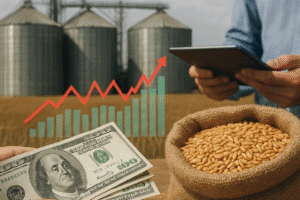
- Dynamic pricing models based on real-time storage and market data
- Automated contract execution when quality and quantity thresholds are met
- Seamless traceability for food safety and sustainability certifications
- Blockchain-enabled record keeping to foster transparency and trust
In the realm of **sustainability**, digital twins can measure and minimize carbon footprints by optimizing energy consumption for aeration, drying, and temperature control. Scenario analysis tools let stakeholders compare conventional practices against greener alternatives, quantifying the environmental benefits before committing to capital-intensive modifications.
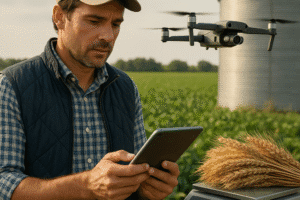
Looking ahead, the convergence of **artificial intelligence**, digital twins, and advanced robotics will enable semi-autonomous grain terminals where drones inspect silos and robotic harvesters feed grain into smart storage systems. Real-time market signals may soon guide the entire chain, automatically reallocating stock to regions with the highest demand or best pricing, all while ensuring product quality through digital twin vigilance.
By embracing digital twins today, the grain industry is forging a path toward smarter, more resilient operations. As the technology continues to evolve, it promises to redefine how grain is stored, traded, and processed, ushering in an era of heightened productivity and **operational excellence**.