



Advancements in agricultural science have ushered in a new era where **climate-resilient** grain varieties are poised to revolutionize global cereal production. Farmers and researchers alike are striving to overcome the myriad challenges posed by shifting weather patterns, water scarcity, and soil degradation. Through a combination of **genetics**, cutting-edge technology, and strategic **investment**, the sector is on the brink of significant transformation. This article explores the development, market implications, and future prospects of more durable grain crops.
Breeding for Resilience: A Scientific Breakthrough
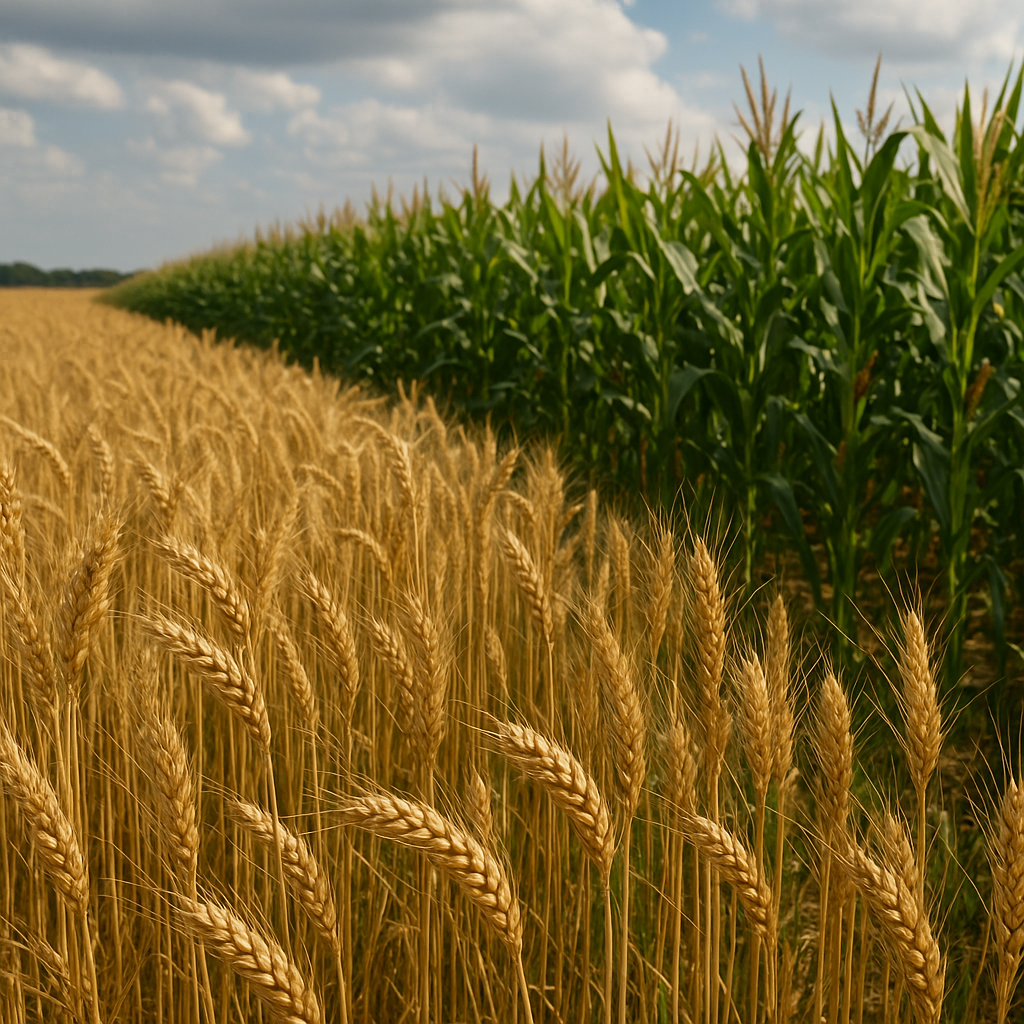
Traditional breeding methods have laid the foundation for crop improvement, but modern approaches are accelerating the pace of change. By integrating **genomic** selection, marker-assisted breeding, and gene editing tools like CRISPR, scientists are able to identify and incorporate desirable traits more efficiently. Traits such as enhanced root systems, improved water-use efficiency, and disease resistance are becoming hallmarks of next-generation grain varieties.
Key elements of the scientific approach include:
- Genetic diversity sourcing from wild relatives and landraces to capture unique stress-response genes.
- High-throughput phenotyping platforms that monitor plant performance under simulated drought or heat conditions.
- Precision trait stacking, enabling multiple resilience traits to be combined without compromising yield potential.
These innovations not only boost **yield** stability under adverse conditions but also support sustainable practices by reducing reliance on chemical inputs. As a result, the global agricultural community is witnessing a paradigm shift in how breeding pipelines are structured, paving the way for crops that can thrive despite climate volatility.
Economic Impact on the Grain Market
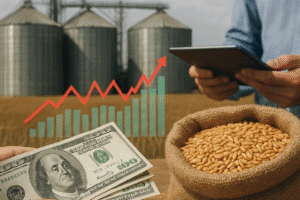
The introduction of **climate-resilient** grains is reshaping market dynamics across the globe. Buyers, from large-scale commodity traders to local cooperatives, are adapting their procurement strategies in response to improved product reliability. Forecasts indicate that seed companies specializing in stress-tolerant varieties will command a premium, incentivizing further **investment** in research and development.
Price Stability and Risk Management
Weather-induced supply shocks have historically led to volatile prices in markets for wheat, maize, and rice. Resilient cultivars help attenuate that volatility by ensuring more consistent yields. Financial instruments, such as weather-indexed insurance and futures contracts, are being redesigned to accommodate the lower risk profile of resilient grains.
Value-Chain Integration
- Processors and millers can secure more predictable raw material flows, reducing downtime and wastage.
- Retailers and food manufacturers gain supply chain transparency, which is critical for premium or sustainably branded products.
- End consumers benefit from more reliable access to staple foods, bolstering overall **food security**.
In regions with high vulnerability to drought and heat stress, government policies are increasingly aligned to subsidize adoption of resilient seeds, further influencing price structures and market penetration rates.
Technological Innovations Beyond Genetics
While **genetics** remain at the core of resilience breeding, complementary technologies play an equally vital role. From digital agriculture platforms to advanced irrigation systems, integrated solutions are optimizing resource use and crop performance.
Precision Agriculture and Data Analytics
Satellite imagery, drone-based scouting, and soil moisture sensors provide real-time insights into field conditions. Farmers can then implement variable-rate applications of water and fertilizers, enhancing **sustainability** while maximizing productivity. Data-driven decision-making also helps in selecting the most suitable resilient variety for specific microclimates.
Smart Irrigation and Water Management
- Automated drip systems paired with moisture analytics reduce water waste and ensure that resilient varieties can express their full potential.
- Rainwater harvesting and controlled release methods mitigate drought impact, especially crucial for smallholder farms.
The synergy between resilient seeds and digital tools encourages a holistic approach to crop management, delivering higher returns and less environmental strain.
Regional Adoption and Policy Frameworks
Adoption rates of **climate-resilient** grain varieties vary widely across geographies, largely influenced by regulatory environments and extension services. In many developing nations, public–private partnerships are driving seed distribution networks, ensuring that farmers have access to the latest improvements.
Key policy measures include:
- Subsidies for certified seed purchases to lower financial barriers for smallholders.
- Accelerated variety registration processes that balance biosafety concerns with the urgent need for adaptation.
- Capacity-building programs led by agricultural universities and NGOs, focusing on best management practices alongside new varietal rollout.
As global bodies emphasize the importance of climate adaptation in agriculture, national strategies are increasingly aligned with international frameworks such as the UN Sustainable Development Goals. This momentum supports broader uptake, encouraging local innovation hubs to develop context-specific resilient grains.
Challenges and Considerations
Despite the promise of resilient crops, several hurdles remain:
- Intellectual property regimes can restrict germplasm exchange, slowing the spread of key genetic traits.
- Infrastructure gaps, particularly in remote areas, hamper effective seed distribution and extension services.
- Farmer awareness and training on managing new varieties under diverse agroecological conditions must keep pace with breeding advances.
Additionally, maintaining **biodiversity** is vital to safeguard against unforeseen stresses. Breeders must ensure that pursuit of specific traits does not erode the genetic reservoir that underpins long-term resilience.
Looking Ahead: The Future of Grain Production
Emerging frontiers in plant science and agritech promise to further elevate the resilience of grain systems. From microbial inoculants that enhance nutrient uptake to climate modeling tools that guide planting decisions, the convergence of disciplines is unlocking new pathways to adaptation.
Investment trends indicate a shift towards cross-industry collaborations, where fintech, biotech, and data analytics converge to deliver end-to-end solutions. As these partnerships mature, the grain sector will be better equipped to meet the twin challenges of feeding a growing population while preserving environmental integrity.
As the agricultural landscape continues to evolve, the marriage of resilient genetic resources with advanced farming practices will be pivotal in ensuring stable, affordable, and sustainable grain supplies worldwide.