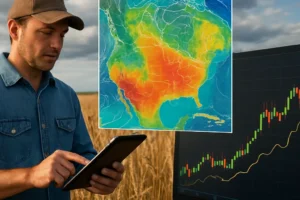
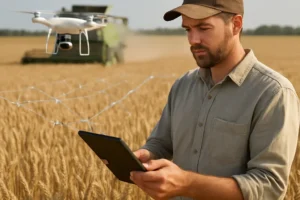
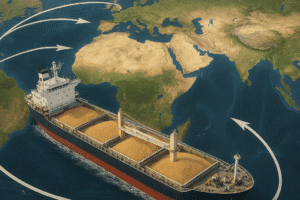
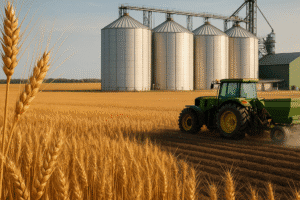

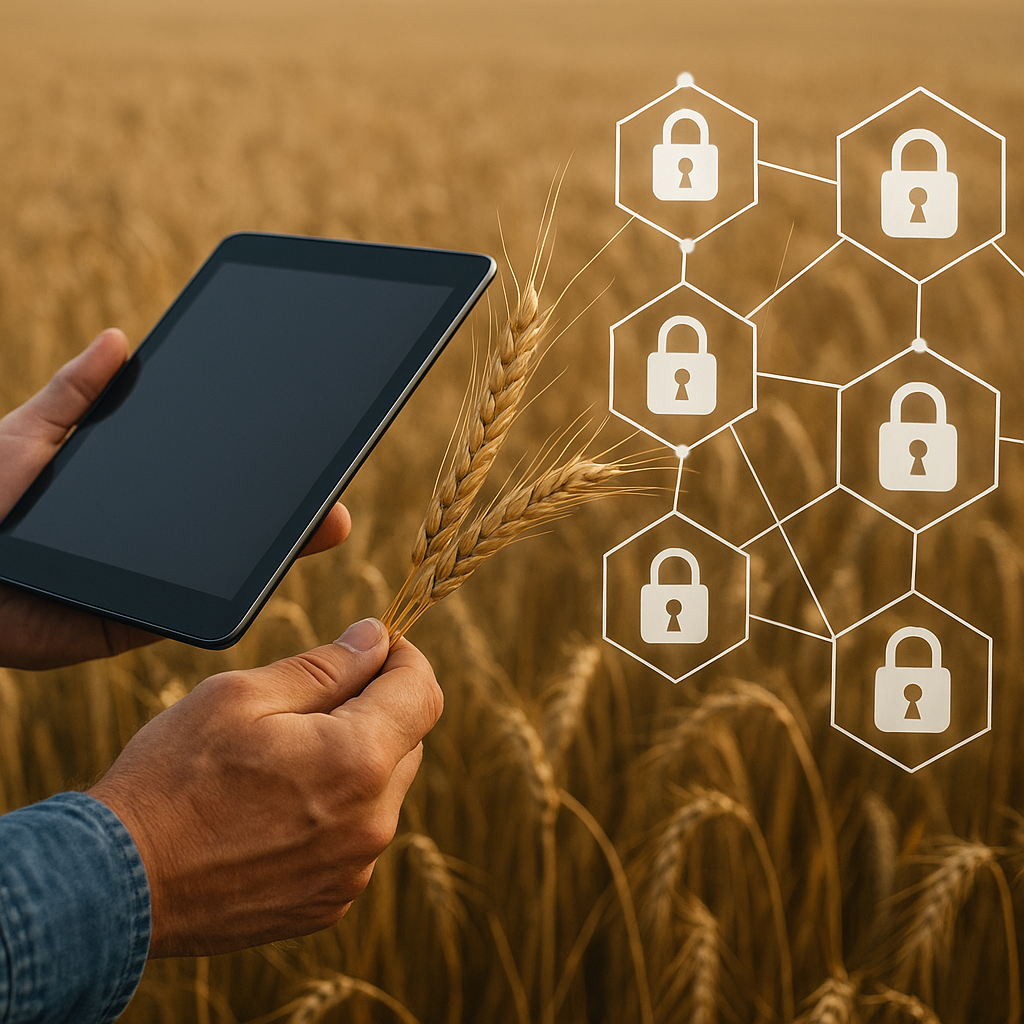
The global grain industry is embracing groundbreaking innovations to address **safety**, **quality**, and **efficiency** concerns that have long plagued traditional distribution networks. As stakeholders—from **farmers** and **processors** to **retailers** and end consumers—seek fortified mechanisms for verifying product origin, **blockchain** emerges as a powerful tool that redefines how each kernel of **grain** is tracked and authenticated. By leveraging immutable records and enhanced **transparency**, the sector is poised to overcome persistent challenges in traceability and build a more resilient **supply chain** landscape.
Emerging Challenges in Grain Supply Chains
Rapid globalization has expanded market opportunities for grain producers but has also introduced complex hurdles:
- Quality degradation due to extended transit times and variable storage conditions.
- Fraudulent practices such as mislabeling species or origin, undermining consumer confidence.
- Regulatory compliance burdens across multiple jurisdictions with disparate standards.
- Environmental pressures and climate change impacting harvest yields and uniformity.
- Traceability gaps arising from manual record-keeping, leading to delayed recalls and loss of brand reputation.
Traditional paper-based logs and siloed digital systems hinder real-time visibility. These pain points fuel the demand for an integrated approach where every transaction or movement is captured in a tamper-resistant environment.
Blockchain Technology: Fundamentals and Mechanisms
At its core, **blockchain** is a distributed **ledger** that records transactions across a network of computers. Key features include:
- Decentralization – Eliminates single points of failure by distributing data among multiple nodes.
- Immutability – Once a block is confirmed, its data cannot be altered without network consensus.
- Consensus mechanisms – Ensure agreement on the validity of each new entry, bolstering trust among participants.
- Smart contracts – Automated scripts that trigger actions (e.g., payments or quality checks) when predefined conditions are met.
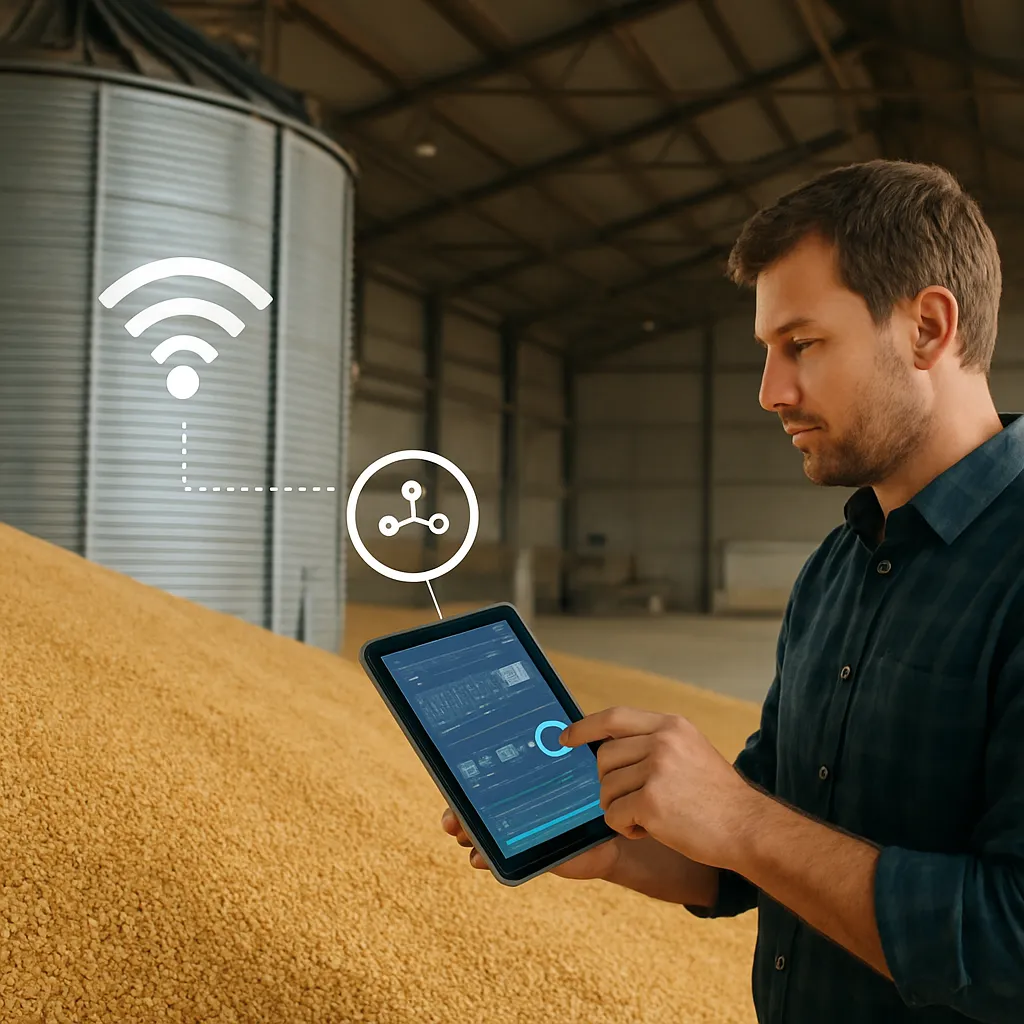
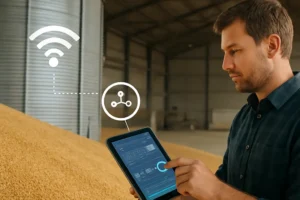
By integrating Internet of Things (IoT) sensors and radio-frequency identification (RFID) tags, real-world events—such as temperature fluctuations in transit or moisture levels during storage—can be recorded directly onto the **blockchain**. This seamless fusion of digital and physical realms fortifies the reliability of recorded **data**.
Revolutionizing Traceability and Transparency
Blockchain-driven traceability is transforming the grain sector through several game-changing capabilities:
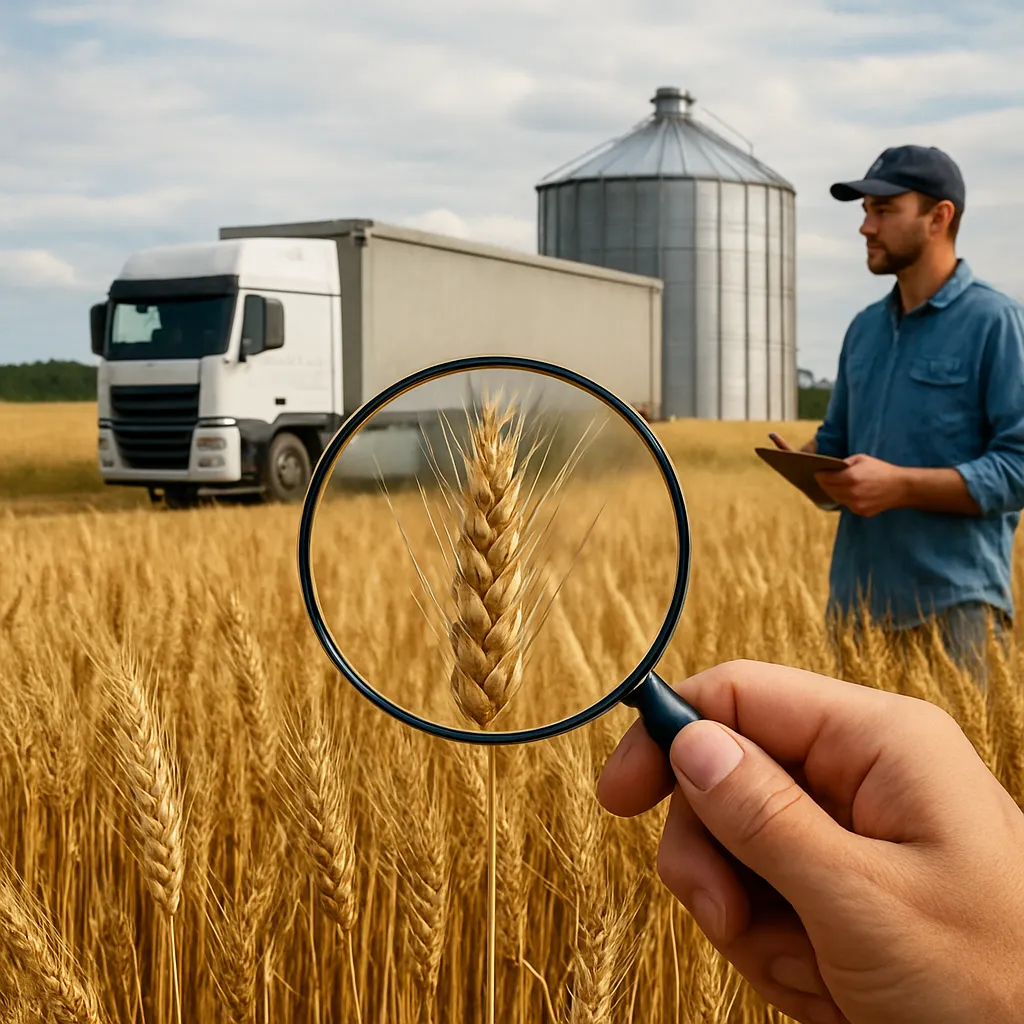
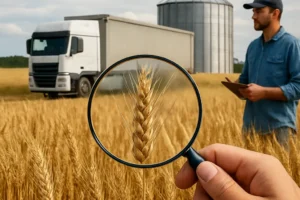
- End-to-end provenance – Grain is tracked from sowing, through harvesting, processing, and distribution, enabling stakeholders to pinpoint each stage of its journey.
- Real-time visibility – Authorized parties can access up-to-the-minute records, accelerating decision-making and risk mitigation.
- Enhanced authentication – Unique digital identifiers ensure that a shipment’s origin and quality certificates are verifiable and resistant to forgery.
- Streamlined recalls – In the event of contamination or regulatory warnings, affected batches can be swiftly isolated, minimizing public health risks and economic losses.
By providing a unified platform for recording critical parameters—such as pesticide residues, genetic profiles, and handling practices—**transparency** becomes a competitive asset. Consumers gain assurance that products labeled “organic” or “non-GMO” adhere to authentic, verifiable standards.
Case Studies and Pilot Projects
Several industry leaders and consortia have launched pilot initiatives to validate blockchain’s potential in grain traceability:
GrainChain Consortium
GrainChain partners with regional cooperatives to deploy a blockchain network that records purchase contracts, **payments**, and quality assessments. Early results indicate a 30% reduction in payment disputes and a 20% faster settlement cycle.
IBM Food Trust for Cereals
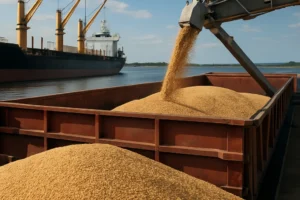
Leveraging the IBM Food Trust platform, major cereal exporters in South America trace shipments from farm silos to port terminals. Pilot metrics show a 40% reduction in export clearance times and enhanced regulatory compliance across multiple countries.
Farm-to-Fork Transparency in Europe
A European Union–backed initiative integrates blockchain with satellite imagery to monitor crop health and yield forecasts. This fusion of technologies enables preemptive actions against adverse weather events and pests, safeguarding both yield and quality.
Future Outlook and Adoption Roadmap
While the promise of **blockchain** in grain traceability is immense, widespread adoption hinges on overcoming certain hurdles:
- Integration with legacy enterprise resource planning (ERP) systems and existing farm management tools.
- Establishing industry-wide standards for data formats, security protocols, and consensus algorithms.
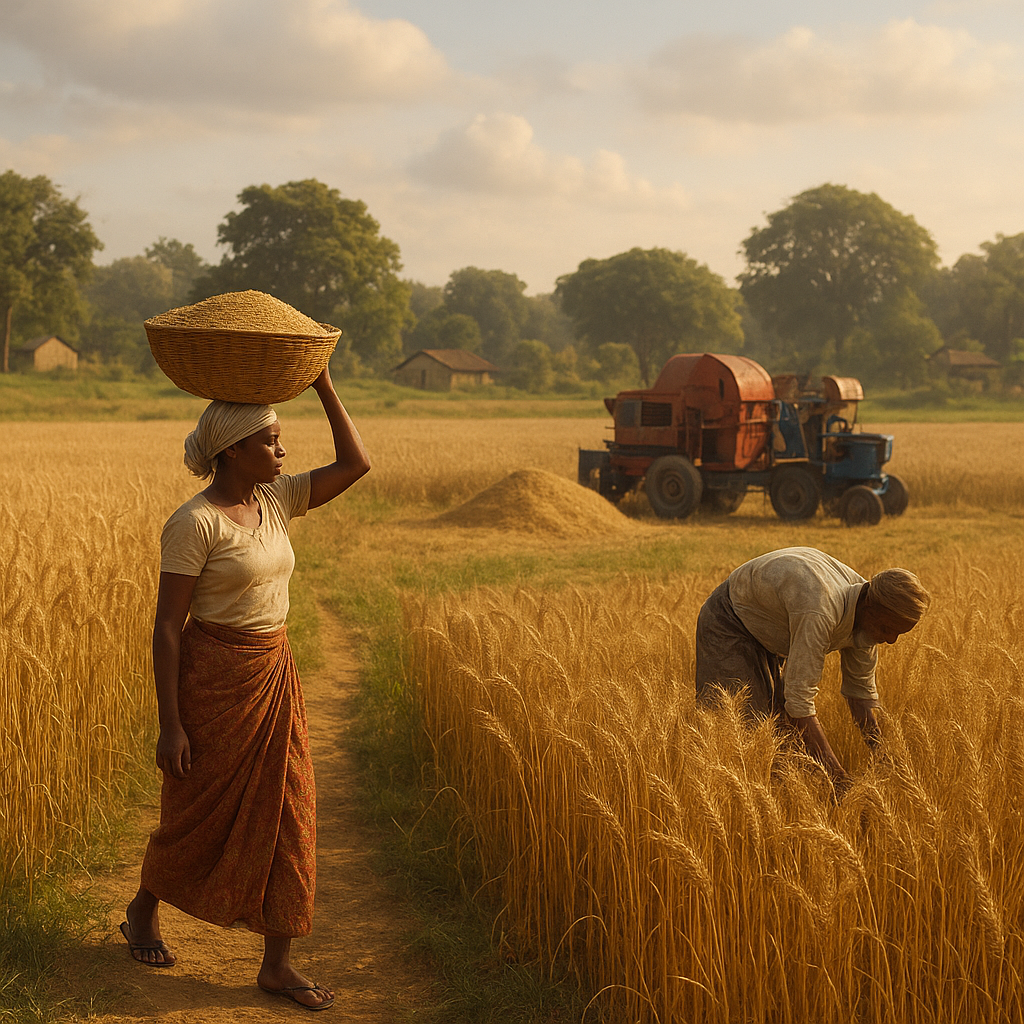
- Addressing the cost barriers for smallholder **farmers**, who may lack digital infrastructure or technical expertise.
- Ensuring data privacy and selective permissioning to protect sensitive commercial information.
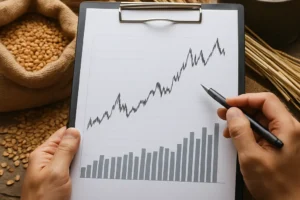
Looking ahead, the convergence of emerging technologies such as artificial intelligence (AI), machine learning, and advanced analytics will further amplify the capabilities of blockchain platforms. Predictive models could forecast supply shortages or inform dynamic pricing strategies, while decentralized apps (dApps) enable peer-to-peer trade with minimal intermediaries.
By championing collaboration among agribusinesses, technology providers, and regulatory bodies, the grain sector can forge a resilient and transparent ecosystem. The ongoing evolution of **smart contracts**, coupled with robust standards for **authentication**, will underpin a new era where every grain kernel carries a verifiable story from **field** to fork.