






The integration of big data into grain market analysis has revolutionized traditional approaches to price prediction and supply-demand balancing. By leveraging diverse datasets and sophisticated algorithms, stakeholders can now anticipate market shifts with unprecedented accuracy. This article explores the transformative impact of large-scale data processing on the grain sector, highlighting key methodologies, data sources, and real-world applications that underpin modern forecasting efforts.
The Role of Big Data in Grain Markets
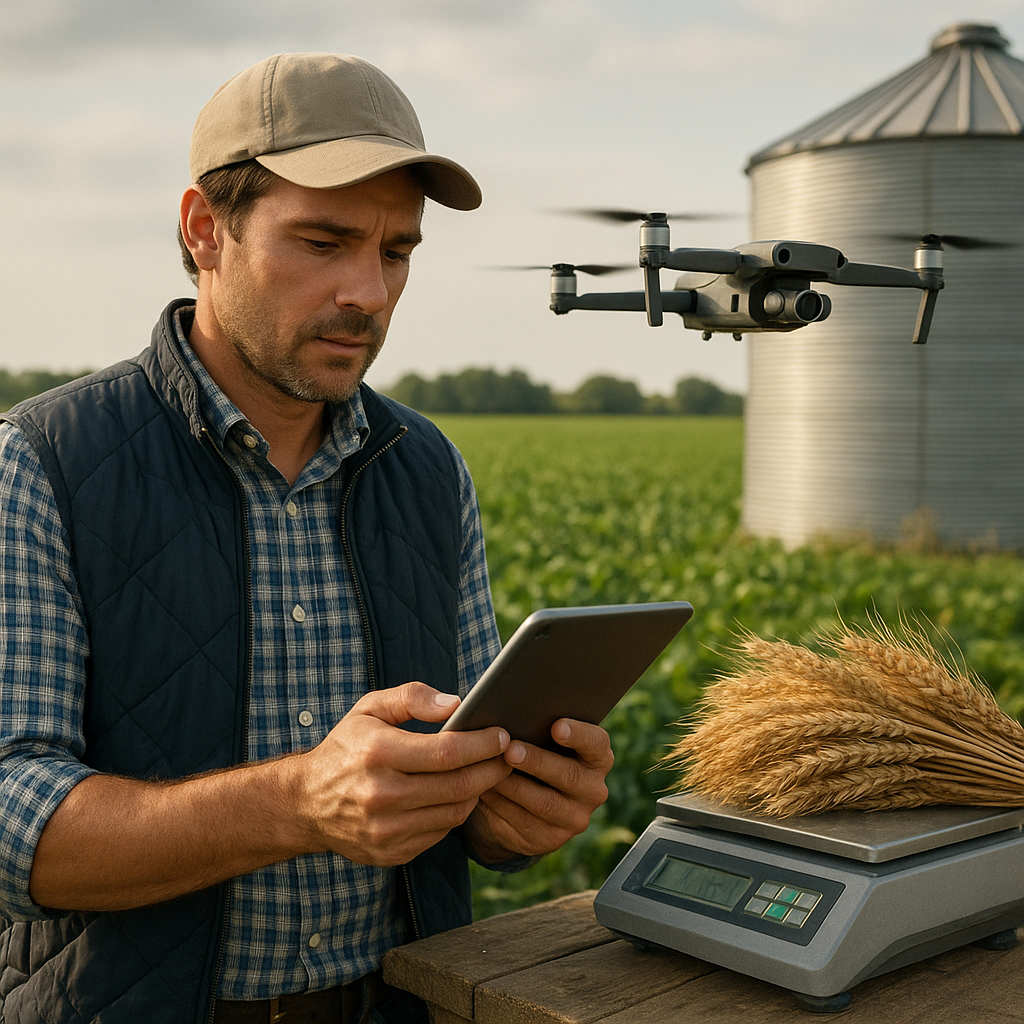
Grain markets have historically depended on manual surveys, anecdotal observations, and periodic reports. While these methods provided a baseline understanding, they often lacked the granularity required to capture fast-moving trends. The advent of high-frequency data streams from satellites, weather stations, and IoT devices has enabled continuous monitoring of crop cycles, harvest conditions, and transportation logistics. This wealth of information feeds into predictive models capable of generating real-time insights on price fluctuations and yield forecasts.
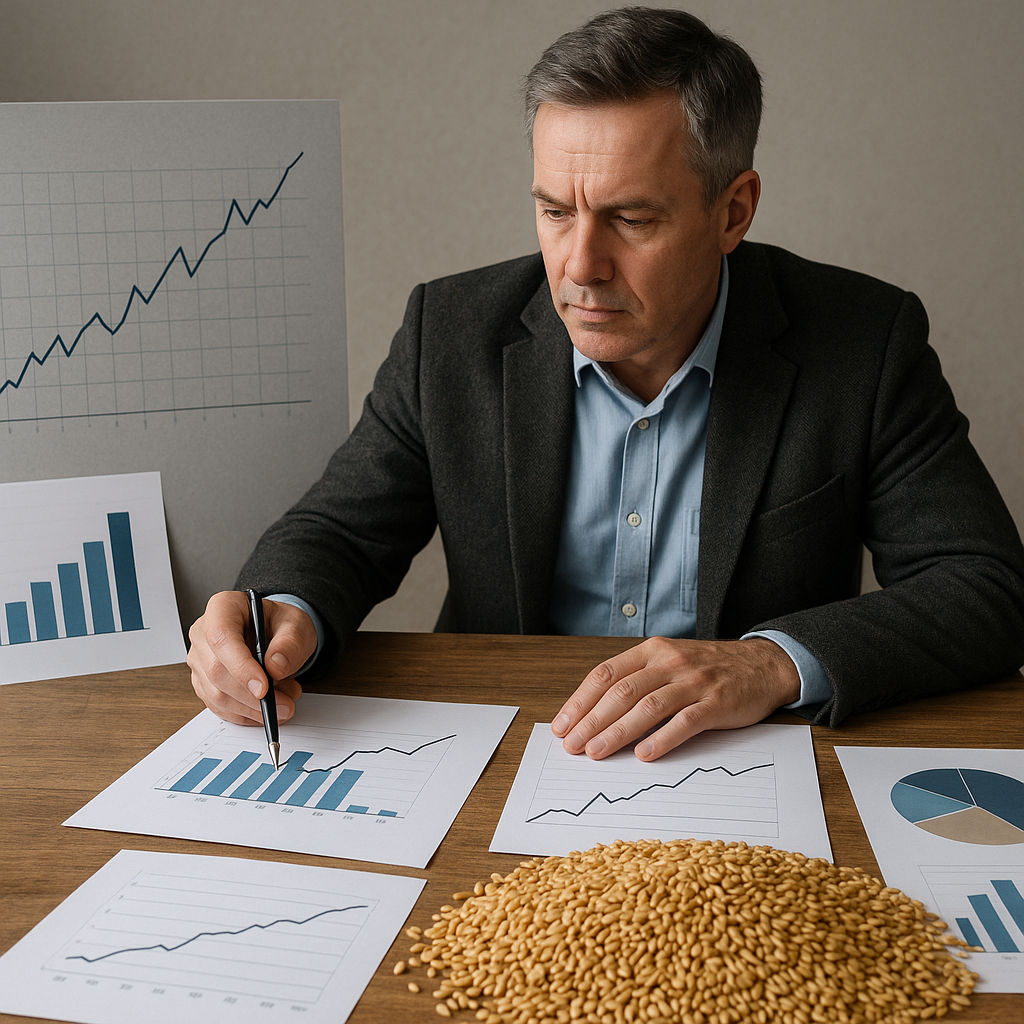
One of the core benefits of incorporating machine learning and advanced analytics into grain market forecasting is the ability to detect subtle patterns within noisy datasets. Techniques such as time-series analysis, neural networks, and ensemble learning allow analysts to fuse historical price records with external factors like currency movements and input costs. As a result, traders, farmers, and policymakers gain a more holistic view of market dynamics, empowering them to make informed decisions under uncertainty.
Sources and Types of Data in Agriculture
Effective grain market forecasting relies on integrating heterogeneous data. Key categories include:
- Satellite Imagery: High-resolution images track vegetation health, soil moisture, and growth stages across vast farmlands.
- Weather Data: Temperature, rainfall, humidity, and wind speed influence planting schedules and crop development.
- Soil Sensors: Internet of Things devices embedded in fields measure nutrient levels, pH, and irrigation needs in real time.
- Market Transactions: Trading volumes, futures contracts, and spot prices provide direct indicators of supply-demand balance.
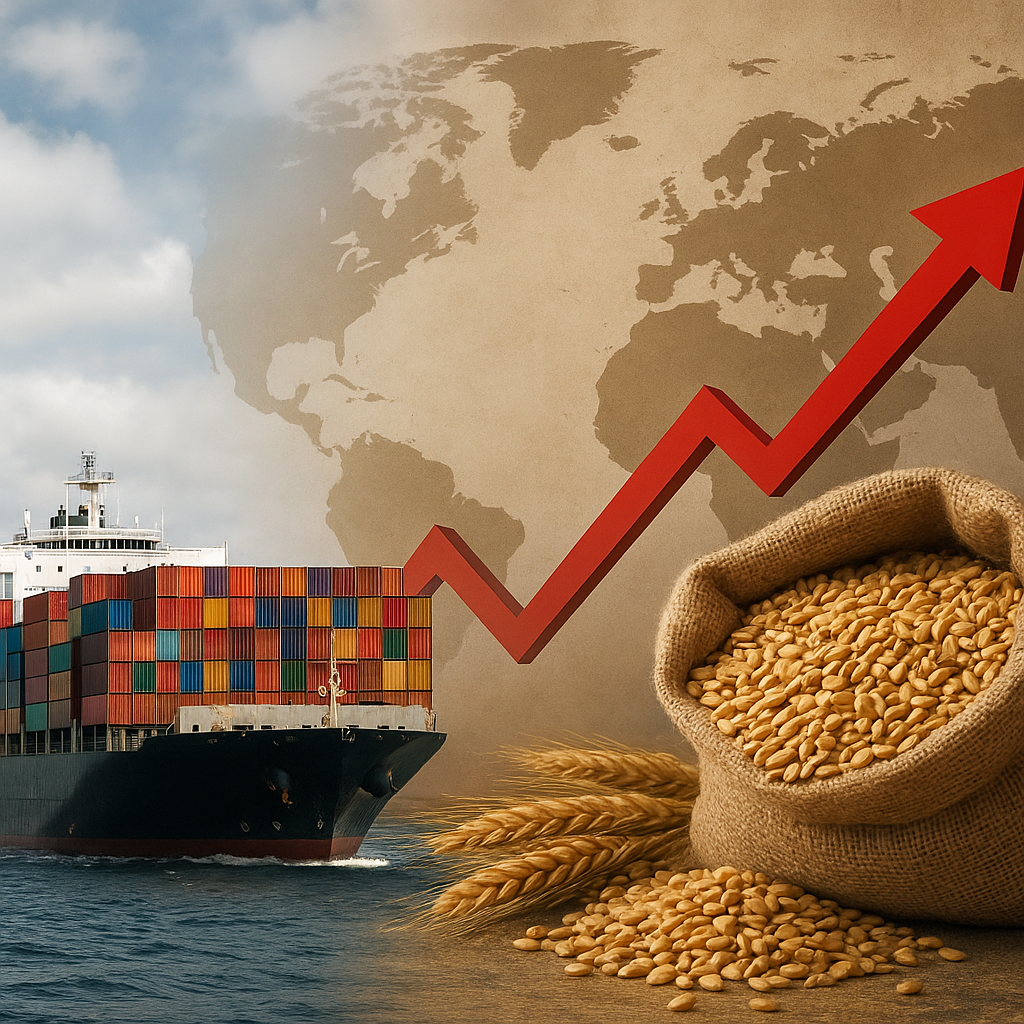
- Supply Chain Records: Logistics data on shipping, storage capacity, and port throughput reveal bottlenecks that may influence regional availability.
- Government Reports: Official statistics on acreage, yield estimates, and export quotas serve as benchmarks for model calibration.
By consolidating these diverse inputs, forecasting platforms create a multi-dimensional representation of agronomic and economic factors. This holistic perspective enables more accurate demand projections and timely detection of emerging market risks.
Analytical Techniques for Market Forecasting
The transformation of raw data into actionable insights involves several stages:
- Data Ingestion and Cleaning: Aggregating feeds from multiple channels and removing inconsistencies.
- Feature Engineering: Deriving informative variables, such as vegetation indices or rolling-average price trends, to feed into models.
- Model Selection: Choosing appropriate algorithms like support vector machines, random forests, or recurrent neural networks based on the forecasting horizon and data characteristics.
- Validation and Calibration: Backtesting models against historical outcomes and adjusting parameters to minimize forecast error.
- Deployment and Monitoring: Integrating predictions into decision-support dashboards and continuously monitoring performance to detect drift.
Ensemble methods often outperform single-model approaches by combining forecasts from multiple algorithms. This diversification reduces the impact of overfitting and enhances robustness. Furthermore, the use of explainable AI techniques helps stakeholders understand model drivers, ensuring trust in automated recommendations.
Case Studies and Practical Applications
A range of industry players has already adopted big data solutions to optimize grain market operations. For example, a global agribusiness firm integrated satellite-based vegetation indices with trade data to forecast soybean yields in South America. The resulting predictions improved their hedging strategies, reducing margin volatility by 15 percent. In another case, a commodity trading company employed machine learning algorithms to anticipate wheat price spikes in response to extreme weather events. By alerting traders ahead of market rallies, the firm captured additional profit margins and minimized exposure to adverse price moves.
On the producer side, farmers use data-driven platforms to optimize planting schedules, input applications, and harvest timing. These tools recommend the ideal seed variety and fertilizer rates based on localized weather forecasts and soil analytics. As a result, crop productivity and resource efficiency have increased, while environmental impacts such as nitrogen leaching have decreased. The synergy between on-farm operations and market forecasts fosters a more resilient supply chain capable of responding to global demand shifts.
Challenges and Future Perspectives
Despite the clear advantages, several challenges remain in fully harnessing big data for grain market forecasting. Data quality and availability can vary significantly across regions, creating blind spots in models. In developing countries, limited connectivity and sparse sensor networks hinder real-time monitoring efforts. Moreover, proprietary concerns often restrict data sharing among competing stakeholders, impeding the creation of open, collaborative platforms.
Looking ahead, the integration of blockchain technology promises to enhance data transparency and traceability within the grain supply chain. Immutable ledgers can document every transaction, from farm gate to end user, reducing fraud and ensuring contract compliance. Additionally, advances in edge computing and 5G networks will enable faster processing of high-resolution imagery and sensor data, further improving the timeliness of forecasts.
As the global population continues to grow, demand for grains will intensify, heightening the need for accurate, data-driven market intelligence. By embracing predictive analytics and fostering cross-sector collaboration, stakeholders can mitigate risks, optimize resource use, and secure a stable food supply for future generations.