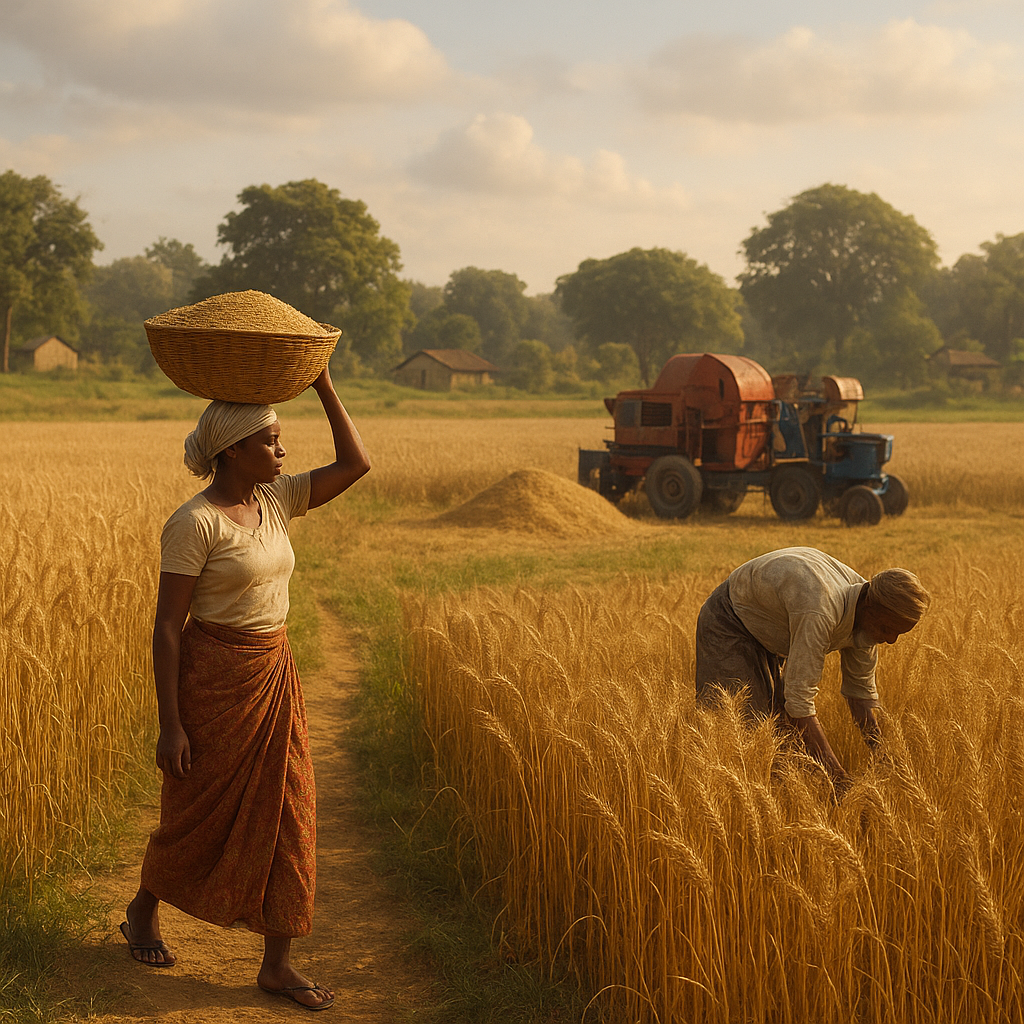



The coming decade promises to reshape the global grain industry as farmers, traders, and policymakers navigate a landscape marked by technological breakthroughs, evolving dietary preferences, and a shifting climate. Rising demand for staple crops, coupled with geopolitical uncertainties and resource constraints, is expected to drive significant changes in production, distribution, and pricing. Understanding these trends will equip stakeholders with the insights needed to thrive in an increasingly complex marketplace.
Drivers of Grain Market Growth
The interplay of population expansion, income rises, and changing consumption patterns underpins the projected expansion in grain demand. According to various projections, global demand for cereals such as wheat, corn, and rice could grow by up to 20% over the next ten years. Several critical factors will influence this trajectory:
- Population dynamics: An estimated 1.2 billion additional people by 2034 will intensify pressure on agricultural systems, particularly in Asia and Africa.
- Dietary shifts: As incomes climb in emerging economies, consumers increasingly include meat and dairy in their diets, driving up feed grain requirements.
- Urbanization: Urban dwellers tend to favor processed and convenience foods, creating new opportunities for value-added grain products.
- Biofuels expansion: Policies promoting renewable energy will maintain demand for corn-based ethanol and other crop-derived biofuels.
- Trade policy volatility: Tariffs, export restrictions, and geopolitical tensions can spark rapid changes in global supply chains and affect commodity prices worldwide.
Supply Trends and Technological Innovations
To meet escalating demand, producers will lean heavily on advancements in genetics, digital farming, and resource management. These innovations aim to boost yield while conserving water, land, and nutrients.
Seed Genetics and Crop Protection
Next-generation genomics is unlocking traits for drought tolerance, pest resistance, and nutrient efficiency. Gene-editing platforms such as CRISPR enable breeders to accelerate the development of cultivars that withstand climate stressors and boost per-acre output.
Precision Agriculture and Automation
Farmers are increasingly adopting precision agriculture tools—GPS-guided machinery, variable-rate technology, and satellite imagery—to optimize input application. Unmanned aerial vehicles (UAVs) and autonomous tractors further enhance on-farm automation, reducing labor costs and improving timing for planting and harvesting.
Data Analytics and Market Intelligence
Big data platforms aggregate yield maps, weather forecasts, and soil sensor readings to deliver real-time decision support. Meanwhile, advanced forecasting algorithms analyze global supply-demand balances, helping traders anticipate price swings driven by harvest reports or policy shifts.
Climate Change and Sustainability Imperatives
Weather extremes and resource scarcity threaten to derail production gains unless the sector embraces resilient practices. Climate adaptation and environmental stewardship will dominate investment priorities.
- Water management: In arid regions, drip irrigation and moisture sensors are key to conserving water and maintaining yields.
- Soil health: Conservation tillage, cover cropping, and organic amendments help sequester carbon, improve structure, and reduce erosion.
- Climate resilience: Breeding for heat-tolerant varieties and shifting planting windows will be crucial in areas prone to drought or flooding.
- Sustainability certifications: Growing consumer awareness motivates suppliers to secure eco-labels that validate responsible sourcing and reduce environmental footprints.
Regional Outlook and Market Dynamics
While demand growth is nearly universal, regional supply fundamentals and policy environments will shape local market conditions.
North America
The United States and Canada remain powerhouses in grain export, driven by large-scale farms and robust infrastructure. Investments in rail networks, inland terminals, and port expansions will aim to alleviate capacity bottlenecks and reduce logistical volatility.
South America
Brazil and Argentina continue expanding acreage through cerrado reclamation and Pampas development. However, land-use conflicts and deforestation concerns may spur stricter environmental regulations, potentially affecting export volumes.
Europe and CIS
Wheat-producing nations in the European Union and the Commonwealth of Independent States face regulatory shifts around pesticide use and emissions. Import dependence in North Africa and the Middle East further links these suppliers to global demand dynamics.
Asia-Pacific
China leads in both consumption and production, but domestic self-sufficiency goals and trade negotiations will influence import needs. Southeast Asian nations are ramping up investments in mechanization and cold-chain facilities to secure rice and maize supplies.
Africa
Although per-capita grain consumption is lower than elsewhere, rapid population growth positions Africa as a key growth frontier. Yield gaps remain substantial, highlighting a need for improved seed access, extension services, and storage infrastructure.
Price Projections and Risk Management
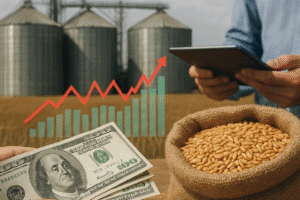
Forecasts suggest that real prices for major grains could trend higher, reflecting rising production costs, tighter environmental policies, and competitive demand for bioenergy. Volatility will persist, influenced by:
- El Niño and La Niña cycles disrupting harvests in major producing regions
- Currency fluctuations altering export competitiveness
- Trade disputes leading to sudden tariff implementations
- Geopolitical events threatening shipping routes and insurance premiums
Effective risk management strategies include diversified procurement, forward contracting, and hedging through futures and options markets. Collaborative platforms that share market intelligence can help stakeholders anticipate price shocks and mitigate losses.
Investment and Strategic Opportunities
In an era of rapid transformation, investors are eyeing segments that promise sustained returns and high impact:
- Agtech startups developing robotics, sensor networks, and farm management software
- Sustainable input producers offering biofertilizers, biopesticides, and carbon sequestration services
- Infrastructure ventures upgrading storage, milling, and transport capabilities
- Emerging markets with yield improvement potential and rising consumption profiles
- Biofuel feedstock projects tapping into policy mandates for renewable fuels
Concluding Thoughts
The grain sector stands at the crossroads of demographic shifts, climate urgency, and digital disruption. Stakeholders who embrace innovation, foster sustainability, and hone their ability to respond to unpredictable supply and demand fluctuations will be poised to capture growth and stabilize markets. Over the next decade, success will hinge on integrating advanced technologies with resilient agronomic practices, all while navigating evolving regulatory landscapes and consumer expectations.