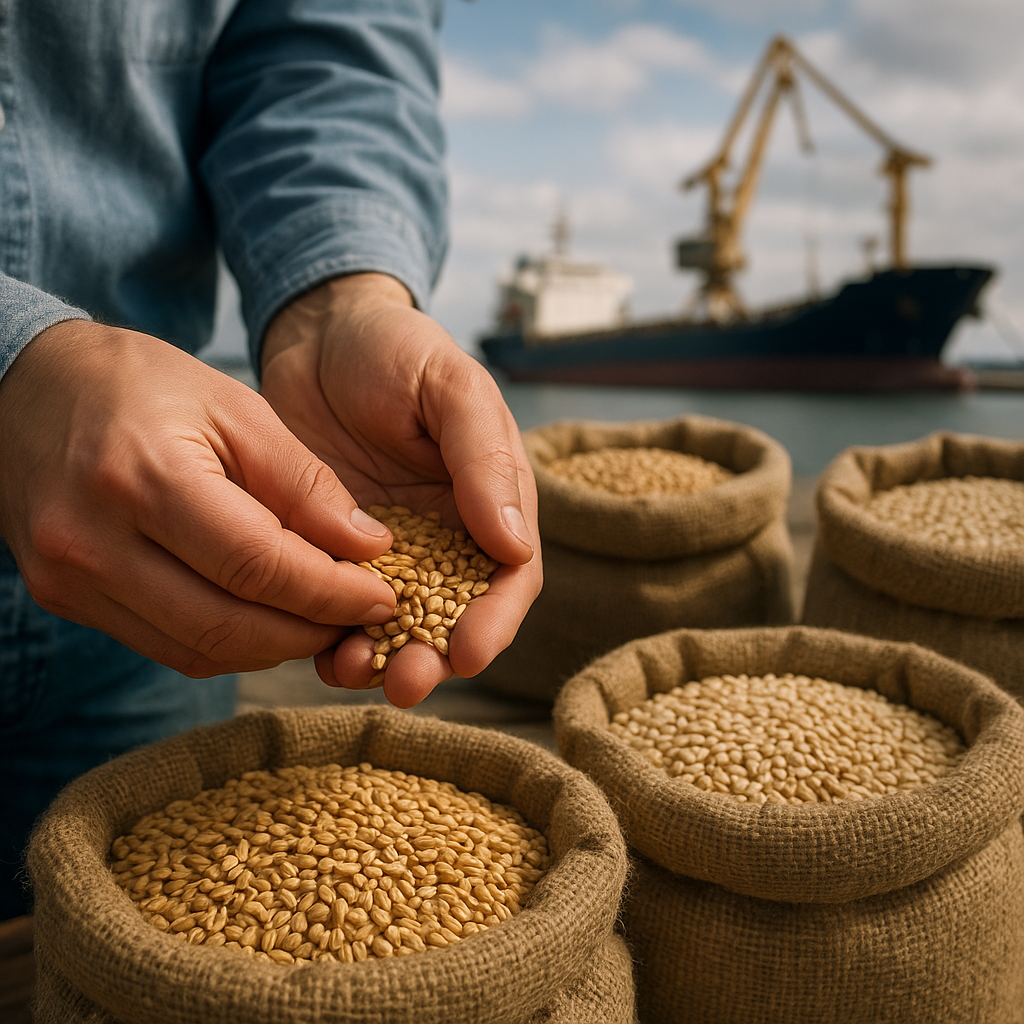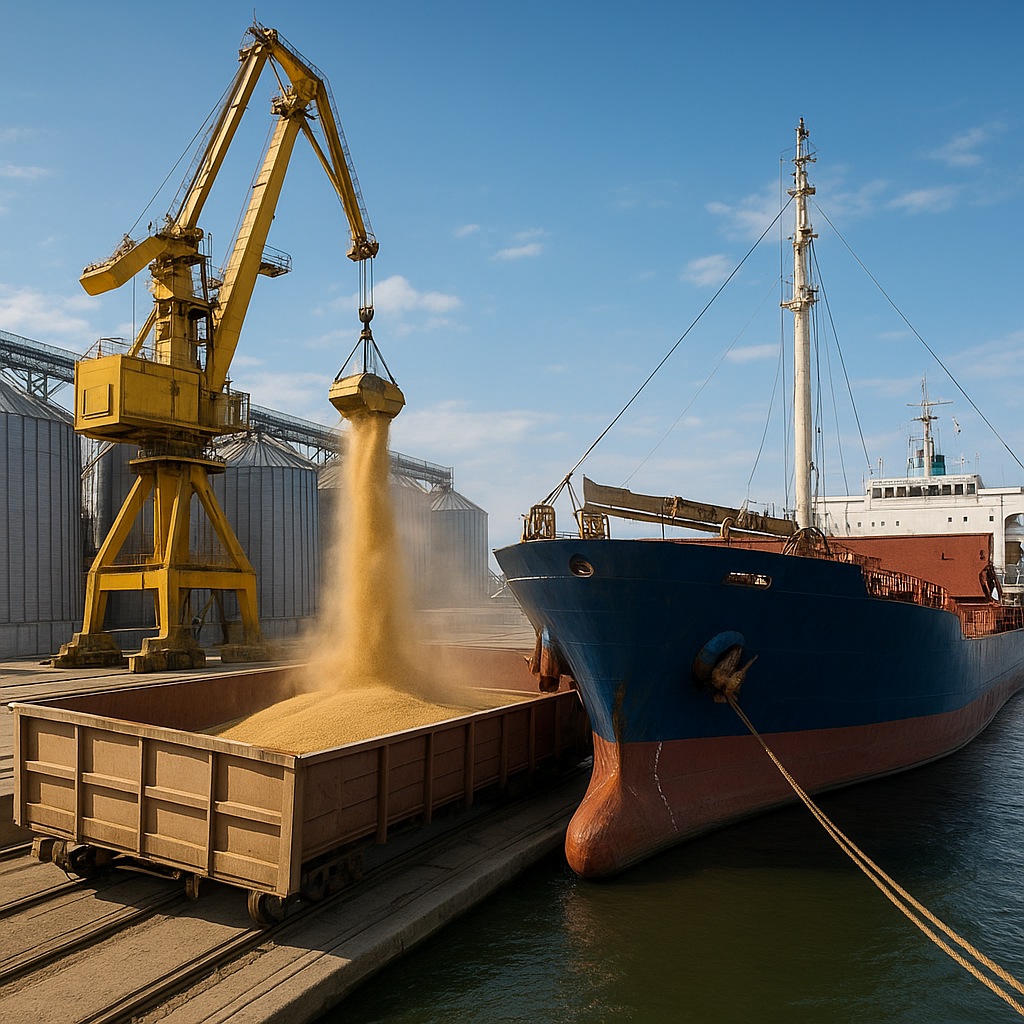


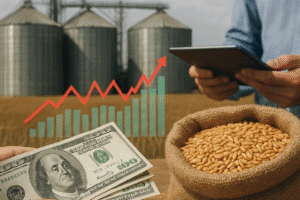
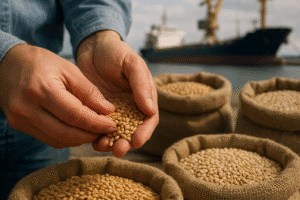

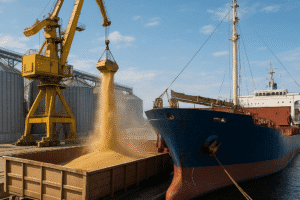
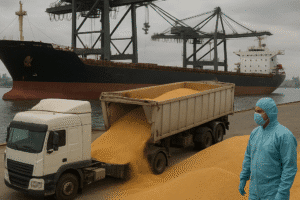

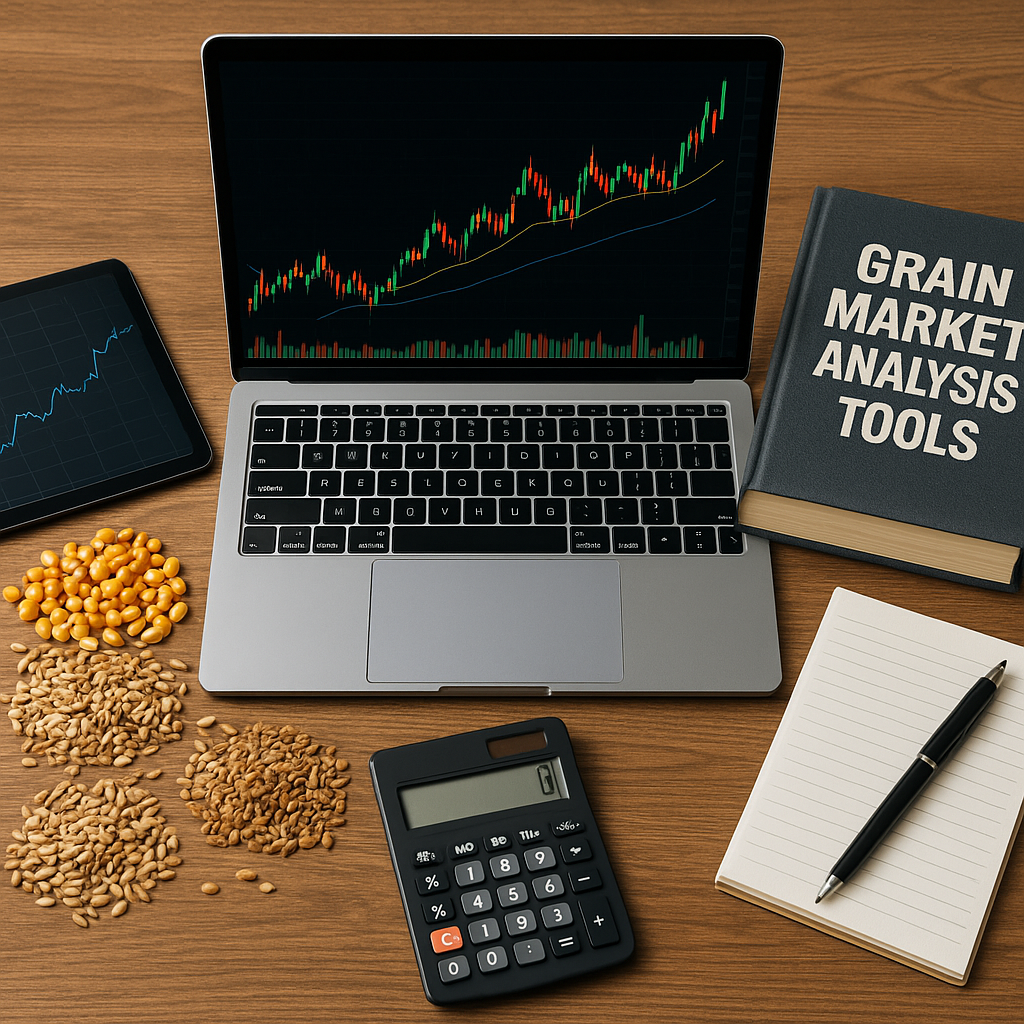
The grain market stands as one of the most intricate and dynamic arenas in global commodities trading. From the vast wheat fields of the Midwest to the sprawling rice paddies of Asia, successful traders rely on a range of sophisticated tools to analyze price movements and manage risk. This article examines essential instruments and methodologies that every grain market participant should master to navigate the ever-changing landscape with confidence.
Fundamental Analysis: Assessing supply and demand Dynamics
At the heart of fundamental analysis lies the evaluation of crop production, consumption patterns, and global trade flows. Traders track planting intentions, weather forecasts, and government policy interventions to anticipate shifts in availability and usage. By understanding how variables like rainfall anomalies or export restrictions influence supply levels, one can project potential price swings with greater accuracy.
Crop Reports and USDA Data
The United States Department of Agriculture (USDA) publishes monthly volatility driving reports such as the World Agricultural Supply and Demand Estimates (WASDE). These documents detail production forecasts for key grains—corn, wheat, soybeans—and examine factors affecting global inventories. Sudden revisions in acreage estimates or yield predictions often trigger sharp market reactions, making it vital to incorporate USDA data into any trading plan.
Global Trade and Policy Analysis
International tariffs, phytosanitary measures, and subsidy programs also weigh heavily on price discovery. An imposed export quota by a major producer can tighten global supply, while import incentives in consuming nations may drive up demand. Tracking policy announcements from entities like the European Union or the Indian government helps traders position ahead of market-moving events.
Technical Analysis: Chart Patterns and Indicators
While fundamental drivers set the stage, technical tools reveal the market’s psychology and timing. Chartists examine historical price data to identify recurring formations and momentum shifts. Recognizing a breakout or a reversal pattern can mean the difference between a profitable entry and a missed opportunity.
Support, Resistance, and Trendlines
Simple techniques such as drawing trendlines offer insights into prevailing market direction. A well-defined uptrend consists of higher highs and higher lows, whereas a downtrend features lower peaks and troughs. Horizontal support and resistance levels mark price zones where buyers or sellers have historically intervened. Breakouts beyond these thresholds often herald accelerated moves.
Momentum Oscillators and Moving Averages
Indicators like the Relative Strength Index (RSI) and Moving Average Convergence Divergence (MACD) help gauge overbought or oversold conditions. Coupling these oscillators with moving averages—such as the 50-day or 200-day—can confirm trend strength or warn of impending reversals. For grain futures, monitoring seasonality-adjusted moving averages can provide an edge during planting and harvest cycles.
Data Sources and Market Reports: Staying Informed with real-time Information
Rapid access to reliable information is essential for traders seeking to react swiftly. The proliferation of electronic platforms and data feeds means that price quotes, order book depth, and news headlines are now available with minimal latency.
Exchange Data Feeds
Major exchanges like the Chicago Board of Trade (CBOT) and the Dalian Commodity Exchange (DCE) supply real-time quotes for grain futures. High-frequency subscribers can integrate these feeds into custom dashboards or algorithmic strategies. Monitoring volume spikes and order imbalances in real time helps pinpoint potential liquidity gaps or sudden sentiment shifts.
Sentiment Analysis and Social Media Monitoring
Beyond raw numbers, analyzing market sentiment through social media channels, forums, and financial news outlets offers nuanced clues about trader psychology. Natural language processing tools can scan thousands of posts to detect bullish or bearish tones, providing an early warning system for herd behavior or panic selling.
Risk Management Tools: Safeguarding Positions
Even the most robust analysis cannot eliminate uncertainty. Implementing disciplined risk controls ensures that unexpected events—such as extreme weather or geopolitical turmoil—do not inflict catastrophic losses.
Stop Orders and Position Sizing
Setting stop-loss orders helps cap potential losses if the market moves against a forecast. Establishing maximum risk per trade, often expressed as a percentage of total capital, enforces consistent money management. Effective position sizing aligns trade size with account objectives and risk tolerance.
Use of Options and Hedging Strategies
Options provide asymmetric risk profiles, offering the right—but not the obligation—to buy or sell at a specified price. Grain producers often sell call options on futures to generate premium income, while speculators may buy put options to protect against price declines. Hedging strategies can lock in profitability or limit downside exposure, especially in markets prone to sudden supply shocks.
Emerging Technologies: Algorithmic Trading and Blockchain in Grain Markets
Innovations in technology continue to reshape how grain is traded, financed, and tracked. Forward-thinking participants embrace these tools to stay ahead of the curve.
Automated and Algorithmic Models
Algorithmic strategies leverage predefined rules to execute orders without human intervention. Whether based on statistical arbitrage, trend-following, or machine-learning signals, these models can analyze vast datasets and react in milliseconds. For grain traders, algorithms can monitor weather updates, crop ratings, and price patterns simultaneously to identify high-probability setups.
Supply Chain Transparency with Blockchain
Blockchain applications promise enhanced traceability from farm to fork. By recording each transaction on an immutable ledger, quality certifications, transport conditions, and ownership transfers become verifiable in real time. This transparency reduces fraud risk and can lead to more efficient settlement of physical grain contracts.
Developing proficiency in these tools requires ongoing education and hands-on practice. Traders who combine sound fundamental insights with disciplined technical methods, robust risk controls, and the latest technological advancements will be well-equipped to thrive in the fast-paced grain markets of the 21st century.