

Grain crops have been feeding civilizations for thousands of years. From ancient wheat fields in the Fertile Crescent to modern cornfields stretching across continents, these crops form the backbone of global agriculture. Grains like wheat, rice, and maize (corn) are the staple food for a large portion of the world’s population, providing the bulk of our daily calories. They are valued for their small, dry seeds that can be stored for long periods and transported easily, making them ideal for feeding people and livestock across seasons and distances. In this comprehensive guide, we will explore what grain crops are, the different types and examples, how they are cultivated and used, their importance to our food supply and economy, and the challenges and innovations shaping their future. The story of grain crops is deeply intertwined with human progress and survival, and understanding these humble seeds gives insight into how we nourish the world.
What Are Grain Crops?
In agriculture, grain crops are plants grown primarily for their edible dry seeds (also called grains or cereals). These are typically annual plants that complete their life cycle in a single growing season, producing a seed kernel that is harvested when dry. The classic image of a grain crop is a field of golden wheat or rice ready for harvest – the seeds have matured and dried on the plant, and they can be gathered and threshed (separated from their husks) in large quantities.
Grain crops are often synonymous with cereal crops, which are members of the grass family (Poaceae). Wheat, rice, corn, barley, oats, rye, sorghum, and millet are all cereal grains. However, the term “grain” in a broad sense can include other types of crops that produce grain-like seeds. What makes a plant a “grain crop” is not its botanical family, but rather how its seeds are harvested and used. Typically, grains are small, hard, and dry seeds that can be stored and milled or cooked for food. They provide essential nutrients – chiefly starch (carbohydrates for energy), with varying amounts of protein and oils. Farmers grow and process these crops mainly for their seed yield.
It’s worth noting that hundreds of plants produce edible seeds, but only a few dozen are commonly regarded as grain crops. Generally, the closer a plant’s harvest and use resembles that of wheat or rice (the first domesticated grains), the more likely it is considered a grain crop. For example, grains are usually harvested when the plant is dry and the seeds have low moisture, allowing long-term storage. They are often threshed and winnowed en masse to collect the edible kernels. By this definition, most grains are cereals, but some non-cereal plants with similar seed use are often grouped with grains as well. The next sections will cover the major categories of grain crops and examples of each.
Types of Grain Crops
Grain crops come in several categories, encompassing true cereals and a few other groups of plants with grain-like seeds. Below we outline the major types of grain crops and their examples:
Cereal Grains (True Grains from Grasses)
Cereal grains are the most important and widely grown grain crops. They belong to the grass family and are cultivated for their starchy seeds. Cereals have been the foundation of human diets in almost every culture. The major cereal grains include:
- Wheat: Wheat is one of the oldest and most widely cultivated grains. It thrives in temperate climates. Its grains are ground into flour to make bread, pasta, noodles, pastries, and many other foods. Wheat has many varieties (such as durum wheat for pasta, bread wheat, etc.), and it remains a dietary staple across Europe, North America, the Middle East, and beyond.
- Rice: Rice is the primary food grain for over half of the world’s population. It is grown in warm, humid climates, especially in Asian countries, often in flooded fields called rice paddies. The two main species are Asian rice and African rice. Rice grains are usually boiled or steamed and eaten directly; they can also be processed into products like rice noodles or rice flour. This grain is vital in tropical and subtropical regions and forms the basis of cuisines from India to China to Southeast Asia.
- Maize (Corn): Maize is a uniquely versatile grain native to the Americas and now grown worldwide. It has the highest overall production of any grain globally (hundreds of millions of tons each year). Corn kernels are used in many ways: as a fresh or processed vegetable (sweet corn), ground into cornmeal or flour (for dishes like tortillas, polenta, cornbread), popped as popcorn, and as a source for corn syrup and other ingredients. A huge portion of maize is also grown for animal feed and industrial uses (such as ethanol fuel). Corn grows best in moderate to warm climates and can yield heavily with proper soil and moisture.
- Barley: Barley is an ancient grain adapted to cooler climates and short growing seasons. It was one of the first domesticated grains. Today, barley is widely used for malting (to produce beer and whisky) and as animal feed. It is also eaten in soups, stews, or as pearl barley in various dishes. Barley’s ability to grow in marginal soils and cold conditions makes it important in places like northern Europe and high altitudes.
- Oats: Oats are another cereal grain known for being hardy in cool, moist climates. Oat grains are commonly rolled or crushed to make oatmeal or used in breakfast cereals and baked goods. Oats are rich in fiber and often lauded for health benefits. They are also used as feed for horses and other livestock. Unlike wheat or rice, oats are usually not ground into flour for bread (because they lack gluten), but they serve as a nutritious wholegrain cereal.
- Rye: Rye is a grain that grows well in cold and sandy soils, conditions where even wheat might struggle. It is popular in Central and Eastern Europe. Rye flour is used to bake dense, dark breads with a distinctive flavor (like rye bread or pumpernickel). Rye is also used in making some whiskeys and vodkas. It is often grown as a winter crop (planted in fall, harvested in late spring/early summer).
- Sorghum: Sorghum is a cereal that resembles corn in appearance (with a big seed head on a tall stalk) but is very drought-tolerant. It is a major food grain in parts of Africa and Asia, where it might be made into porridge, flatbreads, or fermented beverages. In more developed countries, sorghum is commonly used as animal feed and in syrups or biofuel. Its resilience in arid climates makes it crucial in regions prone to drought.
- Millet: Millet refers to a group of small-seeded cereal grains that include species like pearl millet, foxtail millet, finger millet, and others. Millets are hardy and grow well in dry, hot climates and poor soils, so they are important in parts of Africa and South Asia for food security. Millet grains are usually cooked into porridge or ground into flour for flatbreads. They are gluten-free and have gained popularity as health foods as well.
- Others: There are other cereal grains of regional importance, such as teff (a tiny grain important in Ethiopia, used for injera bread) and triticale (a hybrid of wheat and rye grown for feed and some specialty breads). However, wheat, rice, and corn are by far the most globally significant, together accounting for the majority of grain production each year.
Pseudocereals (Non-Grass Grains)
Not all “grains” come from the grass family. Pseudocereals are broadleaf plants (non-grasses) that produce seeds used in much the same way as true cereal grains. They are often gluten-free and sometimes cultivated in regions or soils where cereals are less adapted. Key examples of pseudocereals include:
- Buckwheat: Despite its name, buckwheat is not related to wheat. It’s a broadleaf plant whose seeds are triangular and used as a grain. Buckwheat flour is used in pancakes, soba noodles (in Japan), and porridge groats. It grows well in cooler climates and poor soils. Buckwheat has a distinctive, nutty flavor and is rich in nutrients.
- Quinoa: Quinoa is native to the Andes in South America and has gained worldwide popularity as a “superfood.” It’s actually the seed of a plant related to spinach. Quinoa is high in protein for a grain and contains a balance of essential amino acids, making it a valued food for nutrition. The small round seeds cook up similar to rice or couscous, and they come in colors like white, red, or black. Quinoa grows best in high altitudes with cool nights and tolerates poor, saline soils.
- Amaranth: Amaranth is another ancient pseudocereal used by indigenous peoples of the Americas. Its tiny seeds are rich in protein and minerals. Amaranth can be cooked as a porridge or ground into flour for breads and pastries. The plant is broadleaf and also grown for its nutritious greens in some cultures. It thrives in warm climates and is fairly drought-tolerant.
Pseudocereals typically provide both starch and protein similar to cereals, and they expand the diversity of grain crops especially for people with dietary restrictions (like gluten intolerance) or those looking to diversify farming systems.
Pulses or Grain Legumes
Pulses, also known as grain legumes, are plants in the pea or bean family that are grown for their dry edible seeds. Common pulses include beans, lentils, peas, chickpeas, and peanuts. These are not botanically related to cereals, but their seeds are harvested dry and can be stored and consumed similarly to grains, so they are often discussed alongside grain crops in agriculture.
Pulses are exceptionally important for nutrition because they tend to be high in protein (often 20–40% protein by weight) and fiber, complementing the carbohydrate-rich cereal grains in diets. For example, many traditional cuisines pair grains and legumes (such as rice and beans, or wheat bread and peanut butter) to provide a complete protein profile and balanced nutrition.
In agriculture, pulses have an additional benefit: most are nitrogen-fixing crops. Through symbiotic bacteria in their root nodules, legumes can convert nitrogen from the air into forms usable by plants, enriching the soil. This means pulses can grow in soils with lower fertility (poor in nitrogen), and when used in crop rotation, they can improve soil health for the next crop. Farmers often rotate grain crops like wheat or corn with a legume crop to naturally replenish soil nitrogen and break pest cycles.
Some examples of important pulses/grain legumes:
- Soybeans: Soybean can be considered both an oilseed and a legume (pulse). It is one of the most widely grown legumes globally, especially for oil extraction and high-protein animal feed. Soybeans are also consumed directly in forms like tofu, soy milk, and edamame. As a legume, soy enriches the soil with nitrogen.
- Common Beans: This category includes kidney beans, black beans, pinto beans, navy beans, etc. They are staple proteins in Latin America, Africa, and Asia, often grown on small farms and enjoyed dried or canned after harvest.
- Chickpeas: Also known as garbanzo beans, chickpeas are popular in South Asia and the Middle East (think hummus or chana masala). They prefer dryer climates and are often grown in rotation with cereals.
- Lentils and Peas: Lentils are small lens-shaped legumes that grow quickly and are drought-tolerant, commonly used in South Asian and Middle Eastern cooking. Dry peas (such as split peas) are another traditional pulse, often grown in cooler climates.
- Others: Other grain legumes include faba beans (broad beans), cowpeas (black-eyed peas), pigeon peas, and lupins. Each has specific regional importance, contributing protein and variety to diets.
Pulses are usually not referred to as “grains” in everyday language, but agricultural discussions include them as grain crops because they are harvested for their dry seeds similar to cereals. They play a crucial role in global food security and sustainable farming.
Oilseeds (Oil-Bearing Grain Crops)
Oilseeds are plants grown primarily for the edible oil contained in their seeds. Many oilseed crops also fit the broader definition of grain crops since they are harvested for dry seeds. Some oilseeds are actually legumes (like peanut and soybean), while others are from different botanical families. Important oilseed crops include:
- Soybean: As mentioned above, soybean is rich in both protein and oil (around 20% oil). It is crushed to produce soybean oil (one of the most consumed vegetable oils) and soybean meal (a high-protein animal feed and ingredient). Soybeans are a pillar of agriculture in countries like the United States, Brazil, Argentina, and China.
- Rapeseed/Canola: Rapeseed is a yellow-flowering plant (related to mustard) grown in cooler climates. Canola is a variety of rapeseed bred to have low erucic acid, making its oil healthier for consumption. Canola oil is a common cooking oil. After oil extraction, the remaining meal is used for livestock feed.
- Sunflower: Sunflower seeds are grown in many regions for their oil. Sunflower oil is a light edible oil, and the seeds (either whole or dehulled) are also used as a snack or ingredient. Sunflowers are notable for their large flower heads and adaptability to a range of temperate climates.
- Groundnut (Peanut): Peanuts are legumes, but often categorized with oilseeds because of their high oil content. They grow underground (as pods on the roots of the peanut plant). Peanut oil is valued for cooking, and peanuts are also a protein-rich food for direct consumption or processed into peanut butter and other products.
- Sesame: Sesame seeds are one of the oldest oilseed crops, known for their nutty flavor. They contain about 50% oil. Sesame is grown in tropical and subtropical regions and is often used in cuisines worldwide (on breads, in pastes like tahini, etc.). Its oil is used for cooking and flavoring.
- Linseed (Flaxseed): Flax is grown both for fiber (linen) and for its seeds. Linseed oil (flaxseed oil) is used both in food (as a health supplement rich in omega-3 fatty acids) and in industry (varnishes, linoleum). The leftover meal can feed livestock.
- Others: Other oilseeds include safflower, mustard seed, and cottonseed (a byproduct of cotton fiber production). While not all of these are commonly labeled as “grain crops,” they share the characteristic of being harvested as dry seeds.
It’s important to distinguish oilseed grains from oil-bearing fruits: for example, olives, oil palm fruit, and coconuts are also sources of oil but are not dry grain crops (they are harvested as fleshy fruits or nuts). Thus, they fall outside the typical grain crop category.
By covering cereals, pseudocereals, pulses, and oilseeds, we see that grain crops encompass a diverse array of plants. Nonetheless, cereal grains (the true grains like wheat, rice, and corn) dominate in terms of global production and consumption. These seeds form the dietary base for most of the world, while the other grain types contribute additional nutritional value, agricultural benefits, and economic opportunities.
The Global Importance of Grain Crops
Grain crops are of immense importance to humanity’s food supply and have been aptly called the “staff of life.” They collectively provide a large share of the calories and nutrients that feed the world. Here are some key points highlighting their global significance:
Primary Staple Foods: In most regions, one or more grain crops serve as the staple food – the food eaten in the largest quantities daily. For example, in East and Southeast Asia, rice is the foundation of most meals. In parts of South Asia, the Middle East, Europe, and North America, wheat (as flour for bread, noodles, etc.) is fundamental. In Africa and Latin America, maize (corn) and other grains like sorghum or millet are critical staples. These grains provide the carbohydrates (and some protein) that people rely on for energy. It is estimated that grain crops supply over half of all calories consumed by the human population. Simply put, without grains, the world could not sustain its current population.
Feed for Livestock: Grains are not only consumed directly by people, but also indirectly. A significant portion of global grain production is used to feed livestock – cattle, pigs, poultry, and even fish in aquaculture. For instance, corn and soybeans are key ingredients in animal feed rations. Roughly one-third of the world’s grain supply is fed to animals to produce meat, milk, eggs, and other animal products that people consume. This means grain agriculture underpins the meat and dairy industry as well. The productivity of modern animal farming heavily depends on abundant grain feeds.
Versatility and Storability: One major reason grain crops hold such a central place is their storability. The harvested grain kernels are dry and have low moisture content, so they can be stored for months or even years in silos or other storage facilities without spoiling (as long as they are kept dry and safe from pests). This allows societies to build up reserves, trade across long distances, and even out the food supply across seasons. In contrast, many other staple foods (like potatoes, yams, fruits, or vegetables) are bulky, perishable, or hard to transport. Grains’ small size and hard texture let them be handled in bulk – poured into grain elevators, shipped in sacks or railcars, etc., making them ideal commodities in global trade. This resilience and ease of storage have made grains a cornerstone of food security. Regions that produce surplus grain can export it to regions in deficit, helping prevent famine and buffer against local crop failures.
Economic Impact: Grain crops have a huge economic significance. They occupy a large proportion of the world’s cultivated land (in many countries, the majority of farmland is devoted to cereals or combined grains and oilseeds). Millions of farmers, from small subsistence farmers to large commercial operations, grow grain crops as their main source of livelihood. International trade in grains like wheat, corn, rice, and soy is a multi-billion-dollar industry that influences global markets and politics. Countries often have policies (like subsidies, tariffs, or strategic reserves) for grains because of their importance in national food security and farm incomes. Price fluctuations in grain markets can affect food prices worldwide and have even been linked to social unrest or political change in extreme cases, underscoring how crucial grain supplies are to stability.
Cultural and Historical Significance: Grains also hold a deep cultural significance. The advent of grain cultivation about 10,000 years ago was a turning point (the Agricultural Revolution) that allowed human societies to transition from nomadic hunter-gatherers to settled farming communities. This led to the rise of civilizations. Grain surpluses supported the growth of cities, division of labor, and advances in technology and art. Cereal grains like wheat, rice, and corn often feature in mythology, religious practices, and traditions (for example, harvest festivals celebrate grain harvests, and bread or rice can have symbolic roles in rituals). Even today, offering bread and salt is a sign of hospitality in some cultures, and rice is thrown at weddings in celebration of fertility and prosperity. These customs underline the fundamental role of grain crops in human life beyond just nutrition.
In summary, grain crops are indispensable to global food security, economies, and cultures. They feed billions of people daily, either directly or indirectly, and have enabled the growth of our modern world. The next sections will delve into how and where these crops are grown, and how they make their journey from fields to our tables.
Climate and Geographic Distribution of Grain Crops
Grain crops are grown in almost every habitable part of the world, but different types of grains thrive in different climates and regions. The adaptability of at least one kind of grain to nearly any climate is another reason grains are so globally important. Here’s an overview of how climate and geography influence where major grain crops are cultivated:
Tropical Climates: In hot, humid tropical regions (such as Southeast Asia, parts of India, Central Africa, and Latin America), rice dominates as the grain of choice. Rice flourishes in warm temperatures and ample water. Much of the world’s rice is grown in flooded fields known as paddies, which require heavy rainfall or irrigation. Tropical climates can sometimes support two or more rice crops per year (for example, in parts of Southeast Asia, farmers can get multiple harvests). Another grain suited to tropics and subtropics is maize (corn), which grows well in warm conditions and is widely grown from Mexico through Africa and Asia in tropical zones. Millets and sorghum are also extensively grown in tropical and subtropical areas, especially in regions with lower rainfall or poor soils, because they are drought-tolerant and resilient to high heat.
Arid and Semi-Arid Climates: In dryer regions, certain grains outperform others. Sorghum is notable for its ability to grow under arid conditions – it has a deep root system and a waxy coating on leaves that helps resist drought. Sorghum and pearl millet are staple grains in the Sahel and savanna regions of Africa where rainfall is limited. They also grow in parts of India with dry climates. These grains can produce a reliable harvest where more water-demanding crops would fail. Additionally, some pulses like certain varieties of beans and chickpeas are adapted to semi-arid climates and are grown alongside or in rotation with cereals in dry areas.
Temperate Climates: In regions with moderate temperatures and distinct seasons (such as much of Europe, North America, Northeast Asia, and temperate parts of the Southern Hemisphere like Argentina or Australia), wheat is a leading grain. Wheat prefers a temperate climate; different varieties are bred for winter or spring planting. Barley and oats also thrive in temperate zones, often in areas a bit cooler or moister than ideal for wheat. Maize is grown in temperate climates too – for instance, the U.S. Corn Belt has a temperate continental climate with warm summers. Corn usually needs a frost-free growing season of several months, making it suitable for temperate summers. Rye is particularly hardy in cold climates and can grow in poorer soils, so it’s found in northern Europe and high latitudes where winters are long.
Many grain crops have spring and winter varieties adapted to different seasonal regimes. A winter grain (like winter wheat or winter rye) is planted in the fall; it sprouts and then goes dormant over the cold winter, resumes growth in spring, and is harvested in early summer. Winter varieties take advantage of winter moisture and can often yield more if the climate allows them to survive the cold. A spring grain is planted in spring and harvested in late summer or fall of the same year; spring varieties are used in places with harsher winters where fall planting isn’t feasible or in more northerly latitudes with short growing seasons.
Flooded and Upland Areas: Rice is unique in that it can be grown in flooded conditions (lowland rice in paddies) or in upland fields without standing water (upland rice, which is less common). The terraced rice paddies of mountainous regions in countries like Vietnam, the Philippines, or Nepal show how rice agriculture has adapted to geography – hillsides are carved into step-like fields that can be flooded. On the other hand, crops like corn and wheat prefer well-drained soils and will not tolerate being waterlogged.
High Altitudes: Certain grains can handle high elevations. Barley is grown in the highlands of Tibet and the Andes, where it’s one of the few grains that mature in the cool, thin air. Quinoa, a pseudocereal, is famously adapted to high altitudes in the Andes and can grow at elevations above what most cereals can tolerate. Maize and wheat are also grown in highland areas around the world, but often require specific varieties suited to those conditions.
Soil Considerations: Most grain crops prefer fertile, well-drained soils. For example, the deep, rich soils of prairies and plains (like the North American Great Plains, Ukraine’s steppes, or the Pampas of Argentina) have made those areas agricultural powerhouses for grains. Wheat and corn yield best on high-quality soils with sufficient nutrients. However, some grains are less picky: millet and sorghum can grow in sandy, acidic, or low-fertility soils where other grains would suffer. Rye can grow in sandy or acidic soils of lower quality and still produce a crop. Oats do well in peaty or heavy clay soils in damp climates. Many traditional farming systems match the grain crop to the land’s capabilities and climate—planting hardier grains on the edges of arable land and reserving the best fields for crops like wheat or rice that demand more care but fetch high value.
Global Breadbaskets: Different regions of the world have become renowned for grain production due to ideal climate and geography. For instance, the North American Great Plains (US & Canada) produce vast quantities of wheat, corn, and soybeans thanks to deep soils and temperate climate. The Black Sea region (Ukraine, southern Russia) is another major grain belt for wheat, corn, barley, with its rich chernozem soils. In Asia, the Gangetic plains of India and the Yangtze and Yellow River basins of China are historic rice and wheat growing heartlands. Each continent has its grain-producing zones that leverage local climate advantages.
In summary, there is a grain adapted to nearly every environment: rice for wet tropics, wheat for temperate plains, sorghum and millet for drylands, barley for cold highlands, etc. This adaptability has allowed grain crops to spread and support populations on every continent. Farmers choose grain varieties and species that match their climate and land – a result of thousands of years of breeding and selection to optimize grains for local conditions.
Cultivation and Farming Practices for Grain Crops
Growing grain crops involves a cycle of activities from preparing the land and planting, through crop management, to harvesting. While specific practices vary with the crop and region, there are common themes in grain cultivation. Below we outline how farmers cultivate grain crops, focusing on traditional and modern practices:
Land Preparation: Before planting grain crops, farmers prepare the field to create a suitable seedbed. This often involves tillage (plowing or turning the soil) to loosen it, incorporate crop residues or weeds, and improve aeration and drainage. Traditional agriculture might use simple hand tools or animal-drawn plows to till the field. Modern commercial farms typically use tractors with plows, discs, or chisels. However, there is a trend towards reduced tillage or no-till farming for soil conservation – especially in grain farming – which involves planting seeds directly into the residue of previous crops with minimal disturbance. Good land preparation also includes leveling the field (especially important for rice paddies to ensure even water coverage) and, in some cases, creating raised beds or furrows for irrigation.
Sowing (Planting) Seeds: Grain crops are usually grown from seed (as opposed to cuttings or tubers). Planting can be done by broadcasting, drilling, or transplanting:
- Broadcasting is the simple method of scattering seeds across the soil, then covering them lightly by harrowing or raking. It’s a traditional method still used in some places (for example, hand-broadcasting rice seed in some paddies or sowing millet by hand).
- Drilling refers to using a seeder or drill machine that places seeds at a controlled depth and spacing in rows. Modern grain cultivation heavily uses seed drills or precision planters, which ensure each seed is planted at an optimal depth and spacing to maximize germination and yield.
- Transplanting is common in rice cultivation: farmers first sow rice seeds densely in a small nursery bed, then after a few weeks, transplant the seedlings by hand into the flooded paddy field, spaced out in rows. This labor-intensive method is practiced where labor is cheap and water control is good, as it can increase yields and reduce weed competition. However, many farmers now also sow rice directly if they have machinery or want to save labor.
The timing of planting is critical. Farmers must plant at the right season – for instance, just before or at the start of the rainy season in rainfed areas, or in spring after the last frost for temperate grains. Plant too early and seeds might rot in cold or wet soil; plant too late and the crop might not mature before frost or dry season. Each grain crop has an optimal planting window and growing season length.
Variety Selection: Over millennia, people have developed numerous varieties (cultivars) of grain crops adapted to different conditions. Farmers choose varieties based on factors like days to maturity, disease resistance, yield potential, and suitability to local climate. For example, there are short-season corn varieties that mature faster for cooler climates, and long-season ones that yield more but require more frost-free days. There are also hybrid varieties (especially common in maize, sorghum, and sometimes rice) that are bred for high yield and vigor, which farmers might use if available. In some cases, genetically modified (GM) grain varieties are planted (like Bt corn which resists certain pests), depending on region and regulations.
Nutrient Management (Fertilization): To grow a healthy, high-yielding grain crop, the plants must have sufficient nutrients. The primary nutrients grain crops need are nitrogen (N), phosphorus (P), and potassium (K) – often abbreviated as NPK. Nitrogen is particularly crucial for cereals as it directly influences growth and grain protein content; a good supply of nitrogen can significantly boost yield (though too much can cause problems like lodging, where plants grow too tall and fall over). Farmers add nutrients to the soil in various ways:
- Organic fertilizers: manure, compost, green manure (plowed-in cover crops), etc., which release nutrients slowly and improve soil structure.
- Chemical fertilizers: granular or liquid formulations providing N, P, K. For example, urea or ammonium nitrate supplies nitrogen; superphosphate provides phosphorus; potash provides potassium. Farmers often apply some fertilizer at planting (to give young plants a boost) and additional nitrogen during growth (e.g., top-dressing wheat with nitrogen fertilizer in spring as it greens up).
- In some grain-legume systems, farmers might use less nitrogen fertilizer because legumes like soy or beans fix nitrogen from the air. Rotating legumes with cereals can naturally increase soil nitrogen for the next cereal crop.
- Micronutrients like zinc or iron may also be applied if the soil is deficient and the crop (like rice or corn) responds to it.
Efficient fertilization is important – applying the right amount at the right time. Insufficient fertilizer leads to poor yields, while excessive fertilizer is wasteful and can leach away, polluting waterways. In modern precision agriculture, techniques like soil testing, controlled-release fertilizers, and GPS-guided application help optimize nutrient use for grain crops.
Irrigation and Water Management: Water is often the most limiting factor for grain production. Many grain crops like corn, rice, and wheat have high water requirements, especially at critical growth stages. Farming systems use different methods to ensure water supply:
- Rainfed agriculture relies on natural rainfall. In regions with reliable rain, grain crops are timed with rainy seasons. However, drought can devastate yields. For instance, maize and wheat yields drop sharply in drought years if not irrigated.
- Irrigation is used in many areas to supplement rainfall. Methods include flood irrigation (common in rice paddies, where water is released to flood the fields), furrow or canal irrigation (channelling water along the rows), sprinkler systems (overhead irrigation mimicking rain), and drip irrigation (delivering water to plant roots with minimal waste, though this is less common in broad-acre grain due to cost).
- Rice cultivation is unique in its relationship with water – paddy rice is grown submerged for much of its growing season. Managing water in rice paddies involves maintaining a shallow layer of water and then draining the field before harvest to let the grain dry.
- In water-limited areas, farmers may choose drought-tolerant varieties or practice dryland farming techniques (like conserving soil moisture through no-till, mulching, and fallow periods). For example, sorghum and millet are often grown without irrigation in very dry regions by carefully using whatever rainfall occurs.
Too much water can be as harmful as too little. Waterlogged soils can kill grain crops (except rice) or invite disease. Thus, drainage is also important – fields may have ditches or tile drainage to remove excess water in rainy climates. The balance of water is a constant challenge: farmers pray for rain when it’s needed and sun when it’s time to harvest.
Weed Control: Weeds compete with grain crops for light, water, and nutrients, and can significantly reduce yields if uncontrolled. Traditional weed control was manual – pulling weeds by hand or hoeing between rows. In small-scale farming, this is still common, and rice paddies might have teams of people weeding by hand or with simple tools. Modern grain farming often relies on herbicides (chemical weed killers) to manage weeds. For example, herbicide sprays are widely used in corn and soybean fields to kill unwanted plants early in the season. Some grain crops (like modern soy or corn varieties) are bred to be herbicide-tolerant, allowing farmers to spray broad-spectrum herbicides without harming the crop. Another practice is crop rotation – alternating different crops year to year can reduce weed pressure by disrupting weed life cycles; for instance, rotating a grain with a root crop or legume can suppress weeds that specialize in one type of crop. Additionally, planting cover crops in the off-season can outcompete weeds and reduce their emergence.
Pest and Disease Management: Like any plants, grain crops are susceptible to pests (insects, birds, rodents) and diseases (fungal, bacterial, viral). Effective management is crucial to prevent significant losses:
- Insect pests vary by crop: for example, corn may be attacked by corn borers or armyworms; wheat and rice can suffer from stem borers, aphids, or hoppers. Farmers use integrated pest management (IPM) strategies that can include monitoring pest levels, encouraging natural predators, crop rotation, resistant varieties, and as a last resort, insecticide applications to control outbreaks.
- Fungal diseases are a major threat, especially in humid climates. Rusts, smuts, and blights are well-known grain crop diseases. Wheat rust (such as stem rust or stripe rust) can devastate wheat fields; rice blast is a serious disease of rice. Plant breeders continuously develop disease-resistant varieties to combat evolving pathogens. Fungicide sprays are also used in some cases (for example, to protect barley or wheat flag leaves from fungal attack).
- Other pests: Birds can be a problem by eating grain off the plants (for instance, flocks of birds in rice fields). Rodents may infest stored grain if not controlled. In some regions, locusts or grasshoppers pose a periodic threat to all vegetation, including grains, requiring large-scale coordinated control measures.
- Farmers often rely on healthy crop practices – proper spacing, not over-fertilizing (excessive lush growth can invite pests), and removing or plowing under infected crop residues – to reduce pest and disease incidence. In large-scale farms, scouting fields and using targeted chemical control only when necessary helps manage problems with minimal input.
Crop Rotation and Soil Health: Many grain farmers practice rotation, as mentioned, to help with pests, diseases, weeds, and soil fertility. For example, in the Midwestern United States, a common rotation is corn one year and soybeans the next – the soy (a legume) adds nitrogen and breaks pest cycles for corn. In South Asia, a rotation might be rice followed by a dry-season wheat or pulse crop. Rotations including a pasture phase or cover crops can also improve soil structure and organic matter, which benefits grain yields in the long run.
In essence, cultivating grain crops is a balance of providing what the plants need (good soil, nutrients, water) and protecting them from competition or harm (weeds, pests, diseases) until they can produce a good harvest. Modern agricultural advancements – from tractors and combines to improved seeds and agrochemicals – have dramatically increased the efficiency of grain farming. Yet, even with high-tech methods, farmers remain closely attuned to the weather and the land, since growing a successful grain crop still depends on the right conditions at each stage from planting to harvest.
Harvesting and Storage of Grains
Harvest time is the culmination of the grain growing season, when all the effort of cultivation pays off in the form of ripe, dry grain ready to be collected. Proper harvesting and storage are critical to preserve the yield and quality of grain crops. Here we examine how grains are harvested and stored, comparing traditional methods with modern practices:
Maturity and Timing: Grains are typically harvested when the plants and their seeds have dried down on the stalk. In farming terms, the crop is left to fully mature and dry in the field. For cereals like wheat or rice, this means the green plants turn golden-brown, and the moisture content of the grain drops (usually to around 15% or lower) so it can be stored without spoiling. Timing is crucial – harvest too early and the grain may be too moist or not fully filled, harvest too late and losses may occur as grains shatter (fall off) or get eaten by birds or affected by rain. Farmers often watch the crop closely and even test grain moisture to decide the right harvest moment.
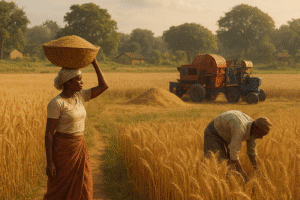
Traditional Harvesting: Historically, and still in many smaller farms, harvesting grains is done by hand or with simple tools. A common hand tool is the sickle – a curved blade used to cut the stalks near the ground. Another tool is a scythe, which can cut a swath of grain stalks with a swinging motion. Farmers would cut the grain, tie the stalks into bundles called sheaves, and then carry them to a threshing area. Threshing (separating the grain from the stalks and chaff) could be done by beating the sheaves against a hard surface, by livestock treading on them, or by flailing with a tool. After threshing, winnowing is done to remove the chaff (the lightweight seed husks and debris) from the grain. Winnowing can be as simple as tossing the threshed material in the air and letting the wind blow away the chaff, or using a winnowing basket or fan. These methods are labor-intensive and time-consuming, but have been used for millennia and are still employed in areas where farming is small-scale or machinery is not accessible.
Mechanical Harvesting – The Combine Harvester: The modern workhorse of grain harvesting is the combine harvester (often just called a combine). This machine revolutionized grain farming by performing three tasks in one pass: it reaps (cuts the crop), threshes (separates the grain kernels from the stalk and husk), and winnows (cleans the grain, removing the chaff). A combine moves through the field cutting the grain with a header at the front, then uses an internal threshing drum and sieves to shake out the grain and blow out the lighter chaff. The clean grain is collected in a hopper in the machine, while straw (the dried stalks) is either chopped and spread back on the field or left in rows to be baled as straw. Combine harvesters come in various sizes, from small versions for modest farms or hilly terrains to huge machines with headers spanning 10 meters or more, capable of harvesting vast fields efficiently. Using a combine, a single farmer can harvest in a day what might have taken dozens or hundreds of people by hand. This efficiency has enabled the cultivation of very large areas of grain with relatively little labor, particularly in North America, Europe, and Australia.
Harvesting in Developing Regions: In many developing countries, especially where farm sizes are small, full mechanization may not be available. In these cases, a mix of methods is used. Some farmers might cut crops by hand but use small mechanical threshers to separate grain. Others might rent or co-own a small combine or a machine called a reaper (which only cuts and bundles the grain, requiring separate threshing). There are also intermediate technologies like two-wheel tractor attachments that can harvest rice or wheat on small plots. The overall trend is gradually towards mechanization as it becomes more affordable and labor shortages in rural areas make hand-harvesting harder. Still, in densely populated agricultural regions of Asia and Africa, you can find harvest scenes where families and neighbors work together to harvest fields manually.
Post-Harvest Drying: Even after cutting and threshing, grain often needs proper drying to reach safe moisture levels for storage (usually around 12-14% moisture for long-term storage). In dry, sunny climates, farmers might simply spread the grain on mats or patios to sun-dry for a day or two. In humid or cooler climates, or for very large quantities, heated air dryers are used. These dryers force warm air through a layer of grain to dry it quickly and uniformly, preventing mold growth. Drying is particularly important for corn, which in some regions is harvested while kernels still have quite high moisture and must be dried with heated air to avoid spoilage.
Storage Facilities: Once dried, grains must be stored in a way that keeps them safe from moisture, pests, and mold. Traditional storage might be in woven bags, clay or earthenware granaries, or cribs. For example, many farmers store maize cobs in open-air cribs that allow airflow to keep them dry, then shell the cobs (remove kernels) as needed. In rice-growing areas, it’s common to store paddy (unhusked rice) in bags in a dry room or granary.
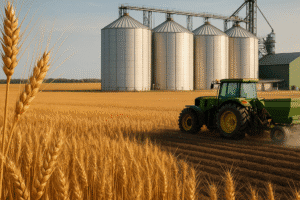
Commercial operations use large storage structures like silos and grain bins. Silos are tall, cylindrical structures (often made of metal or concrete) where grain is loaded from the top and unloaded from the bottom. Modern grain bins are usually metal corrugated structures with systems for aeration – small fans that can circulate air to cool the grain and prevent moisture buildup. Huge grain elevators, often seen near ports or railways, store millions of bushels of grain and have conveyor systems to move grain in and out for shipping.
During storage, grain is sometimes treated or monitored to prevent insect infestations. For instance, bins might be fumigated or filled with an inert gas to kill pests. Regular inspection is necessary because insects like weevils or moths can multiply in stored grain and cause damage. Additionally, temperature monitoring inside large grain piles is done because hotspots can develop if grain is moist or begins to spoil, potentially leading to mold or even combustion in extreme cases (grain dust is combustible).
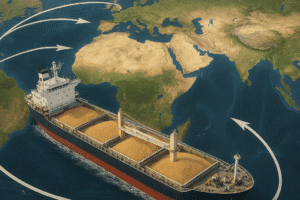
Transportation: After harvest, grain often needs to be transported – either to a storage facility, to a mill for processing, or to market. Farmers might use trucks, carts, or even boats (in regions with canals) to move grain. In major exporting regions, grain is loaded into freight trains or barges to go to ports. The ability to store and transport grain efficiently has made it a global commodity. For example, wheat harvested in one country can be shipped across oceans to another country’s flour mill and eventually become bread on someone’s table halfway around the world.
In summary, harvesting and storage are the stages that ensure the hard-won harvest of grain crops isn’t lost. Whether by hand with simple tools or by giant machine, the goal is the same – collect all those tiny grains effectively and keep them dry and safe until they’re ready to be used. The development of the combine harvester and modern storage techniques has drastically reduced post-harvest losses and labor requirements, helping boost the availability and affordability of grains worldwide.
Uses of Grain Crops
Grain crops have a wide range of uses that extend far beyond a bowl of porridge or a loaf of bread. Because they are so fundamental, grains find their way into multiple aspects of food, feed, and industry. In this section, we’ll discuss the various uses of grains in human food, animal feed, and industrial applications.
Human Food and Culinary Uses
The most direct use of grain crops is for human consumption. In fact, grains form the base of the food pyramid in many diets, providing energy, fiber, and protein. Here are some of the key ways grains are processed and consumed by people:
- Flour and Baked Goods: Many grains are ground into flour, which is then used to make a vast array of foods. Wheat flour is the cornerstone of breads, pastries, pasta, noodles, and other baked goods around the world. Rye flour makes hearty breads. Corn is ground into cornmeal or corn flour for tortillas, cornbread, polenta, and breakfast cereals. Even lesser-used grains like sorghum or millet might be milled into flour for traditional flatbreads or porridge in parts of Africa and Asia. The gluten proteins in wheat (and rye/barley to a lesser extent) provide elasticity that is ideal for leavened bread, which is why wheat has been so prized for baking.
- Boiled Grains and Rice Dishes: Whole or broken grains are often cooked in water or steam and eaten directly. Rice is the best example – steamed or boiled rice is a staple dish on its own, served with other foods. Likewise, whole grains like barley, millet, or sorghum can be boiled into porridge or mixed with beans and vegetables for hearty meals. Oats are commonly rolled or cut and boiled to make oatmeal, a popular breakfast porridge in Western diets. In Middle Eastern cuisine, wheat grains are boiled to make dishes like bulgur (cracked wheat) or used whole in soups (as in some barley soups).
- Breakfast Cereals: Grains are the main ingredient in breakfast cereals – both the traditional hot cereals like oatmeal or grits (ground corn porridge) and ready-to-eat cold cereals. Corn flakes, puffed rice, wheat biscuits, and granola are all grain-based cereals often fortified with vitamins, providing a convenient breakfast option.
- Noodles, Pasta, and Couscous: Wheat (especially durum wheat) is milled into semolina and flour to produce pasta and noodles in Italian, Chinese, and other cuisines. Rice is likewise ground for rice noodles common in Asian dishes. Couscous is made from coarse semolina of wheat or other grains, and it forms a staple in North African cuisine. These products highlight the versatility of grain flours combined with water (and sometimes eggs) to create different food textures.
- Snacks and Other Foods: Grains are ubiquitous in snacks. Corn is used to make popcorn – heating dried kernels until they puff. It’s also extruded or processed into chips and puffed snacks. Rice can be puffed or made into cakes (rice cakes) and crackers. Oats find their way into granola bars and cookies. Wheat flour is the basis of crackers, pretzels, and many other snack foods. Even beverages and desserts can be grain-based (for instance, rice pudding or barley tea).
- Cultural and Fermented Foods: Many cultures ferment grains to create foods and beverages. For example, soybeans (though a legume) are fermented to make soy sauce, miso, and tempeh. Rice is fermented to make rice wine (sake) or rice vinegar, and in India fermented rice batter becomes dosa and idli. Wheat or barley can be fermented to create sourdough breads or certain porridge-like dishes. Fermentation can enhance nutrition and digestibility and create new flavors from grains.
Overall, grains provide the foundation for some of the most important foods in human diets. They are relatively cheap sources of calories, which is why grain-based foods are often staple, everyday items. Grains can be processed minimally (like brown rice or whole oatmeal) or highly (like refined white flour or polished white rice), but in either case they remain central to feeding populations.
Livestock Feed
A substantial amount of grain crops is used not to feed humans directly, but to feed animals. Livestock – including cows, pigs, chickens, and other farm animals – consume grain-based feeds to grow and produce meat, milk, or eggs. Key points about grain as animal feed include:
- Feed Grains: Maize (corn) is the king of feed grains, especially in the United States and parts of Latin America, where corn is grown heavily for cattle feed and ethanol. It’s high in energy (starch) and fairly palatable. Barley and sorghum are also commonly used in feed, especially in regions where corn is less suitable. Oats are traditional feed for horses and were historically important before mechanization (even today, oats are part of many horse feed mixes and are also fed to other livestock in certain areas).
- Soybean Meal: While not fed as whole soybeans typically, soy is crucial in animal nutrition in the form of soybean meal. After extracting oil from soybeans, the remaining high-protein meal is an excellent feed component. It’s a major source of protein in poultry and swine diets worldwide. Combining an energy-rich grain like corn with a protein-rich meal like soybean meal creates a balanced feed for non-ruminant animals.
- Other By-products: Grains produce by-products that are used in feeds. For example, wheat bran (outer layer removed during flour milling) is used in animal feed for fiber and nutrients. Brewers grains (spent barley or other grains left after brewing beer) and distillers grains (from ethanol production using corn) are used as cattle feed supplements. Rice bran and broken rice often go into animal feed as well.
- Forage vs. Concentrate: In ruminant diets (cattle, sheep, etc.), grains are considered “concentrates” (high energy, dense food) as opposed to “forage” (grass, hay). Dairy farmers and feedlots feed cattle a mix including a portion of grain (like corn or barley) to boost energy intake for higher milk production or faster weight gain. Grain feeding has transformed livestock industries by enabling faster growth rates and higher productivity than pasture alone. However, it requires careful management to keep animals healthy (too much grain can upset a cow’s digestion, for instance).
- Aquaculture and Pet Food: Grains also creep into unexpected places like fish farming and pet foods. Aquaculture feeds for fish and shrimp often include grain products as binders or energy sources (wheat flour or corn gluten). Pet foods (for dogs and cats) frequently use corn, rice, barley, or sorghum as part of the kibble formulation for calories and texture, although grain-free pet foods have also become a trend.
- Global Perspective: In developed countries, the use of grains for animal feed is massive – it’s estimated that globally, around one third or more of all grain produced goes to feeding animals rather than humans. In developing countries, more of the grain is directly consumed by people, but as incomes rise and meat consumption increases, more grain gets diverted to livestock. This has led to discussions about efficiency and sustainability, since feeding grain to animals to then feed humans meat is less calorie-efficient than feeding grain to humans directly. Nonetheless, demand for meat has kept grain for feed as a major use.
Industrial and Other Uses
Beyond food and feed, grain crops find numerous applications in industry, fuel, and non-food products. Some notable uses include:
- Biofuels: Grains can be converted into biofuels, providing energy for vehicles and industry. The most common example is ethanol made from corn. In countries like the United States and Brazil, a significant portion of the corn crop (or sugarcane in Brazil, though cane is not a grain) is fermented and distilled into ethanol alcohol, which is then blended with gasoline as a renewable fuel. Wheat, sorghum, and other grains can also be used to produce ethanol. Biodiesel can be made from vegetable oils; oils from soybeans, canola (rapeseed), or even corn oil extracted from distillers grains are used to produce biodiesel, a diesel engine fuel substitute.
- Brewing and Distilling: Grains are the core ingredient in many alcoholic beverages. Barley malt is essential for beer brewing – the process of malting (germinating and drying barley) converts its starches to sugars, which yeast then ferment into beer. Other grains like wheat, sorghum, and rice are also used in various beers (e.g., wheat beers, sorghum beer in Africa, rice in some Japanese beers). In distilling, grains are fermented and distilled to create spirits: whiskey is typically made from barley, corn, rye, or wheat (or a mixture, like bourbon which is mostly corn; Scotch whisky from malted barley; rye whiskey obviously from rye); vodka can be made from wheat, rye, or corn; gin starts from a grain spirit; soju in Korea often uses rice or sweet potato; baijiu in China commonly uses sorghum. Even sake, while brewed more like a beer, is essentially a rice wine. Thus, grains underpin a huge global alcohol industry.
- Cooking Oils: As discussed in oilseeds, grains produce oils that are used not only for food but for cooking and frying in homes and restaurants. Corn oil, soybean oil, canola oil, sunflower oil, sesame oil – all come from grain crops and are bottled for culinary use or incorporated into processed foods (for example, many snacks and baked goods contain soybean or corn oil).
- Sweeteners and Additives: Corn is famously processed into high-fructose corn syrup, a sweetener used in soft drinks and many foods as an alternative to cane sugar. Corn starch, derived from the grain, is another widely used product – as a thickener in cooking, in making corn syrup, and even outside of food (biodegradable plastics, packaging peanuts, etc.). Dextrose, a simple sugar, can be made by enzymatically breaking down corn starch. Other grains, like wheat or rice, can also be broken down into syrups or sugars, but corn has dominated this market.
- Starch Products and Bioproducts: Grain starch (especially from corn, wheat, potato, or cassava) is used to manufacture biodegradable plastics, adhesives (historically, postage stamp glue had dextrin from corn), cosmetics, pharmaceuticals (as binders or fillers in pills), and textiles. For instance, corn starch is used in making paper and in laundry starch. As the world looks for renewable materials, grain-derived products are finding more applications.
- Cosmetics and Personal Care: Oatmeal has long been used in skincare (like colloidal oatmeal baths for soothing skin conditions). Rice starch or rice water is used in some traditional beauty treatments for hair and skin. Various grain extracts or oils (rice bran oil for example) are ingredients in cosmetic formulations.
- Building and Industrial Materials: It might be surprising, but grains or their by-products contribute here too. Straw (the stalks of wheat, rice, etc. after grain harvest) is used as animal bedding, as mulch, and even as a building material (straw-bale construction or straw mixed with clay to form walls). In some places, rice hulls or peanut shells (the “waste” after getting the grain or nut) are used as a fuel for burning or as a filler in materials. Corn cobs have been used to make abrasives or to burn for heat. There’s ongoing research into using biomass like corn stover (stalks and leaves) or other grain byproducts for producing bio-based chemicals, ethanol (cellulosic ethanol), and materials.
- Nutrition Supplements and Specialty Products: Grains also contribute to specialized products like bran cereal for extra fiber, wheat germ (the vitamin-rich embryo of the wheat grain) as a supplement, and rice or oat milk as non-dairy milk alternatives. Additionally, some grains are grown for specific industries – e.g., special high-starch corn for ethanol production, malting barley varieties for beer, or durum wheat specifically for pasta.
From breakfast to fuel for cars, grain crops have an incredibly diverse utility. Their large-scale production and relatively low cost make them an attractive raw material for many processes. Essentially, grains serve as both food and feedstock – feeding living creatures and feeding industrial processes alike. This broad usefulness of grain crops further explains why they are so heavily cultivated and traded globally.
Nutritional Value of Grains
Grains play a crucial role in human nutrition, primarily as sources of energy, but they also contribute protein, fiber, vitamins, and minerals to our diets. Understanding the nutritional value of grains helps explain both their benefits and limitations in the diet, and why a combination of grains and other foods is often recommended for balanced nutrition.
Carbohydrates – Energy Powerhouse: The most abundant nutrient in cereal grains is carbohydrate, mostly in the form of starch. Starch is a complex carbohydrate that the body breaks down into sugars to use for energy. This makes grains a great source of calories. For example, rice and wheat are about 70-80% carbohydrates by weight (when dry). For populations engaged in manual labor or with high caloric needs, grains have been an efficient way to get enough energy. Even pseudocereals and pulses have significant carbs (though pulses have less starch and more fiber compared to cereals). Carbohydrates from grains are often called “complex carbs,” particularly when the whole grain is consumed, as they release energy more steadily than simple sugars.
Protein Content: Grains also contain protein, but the amount and quality vary:
- Cereal grains like rice, corn, and wheat have moderate protein (typically 7-13%). Wheat, for instance, often has around 10-12% protein (this protein includes gluten in wheat, which is what gives bread dough its elasticity). Rice is on the lower end, around 7% protein.
- Some grains are higher in protein – oats and quinoa are relatively high for cereals/pseudocereals, and certain varieties of wheat (hard wheat) have higher protein content than soft wheats.
- The proteins in grains are usually not “complete” proteins for human needs, meaning they might be low in certain essential amino acids. For example, wheat and rice are relatively low in lysine, an essential amino acid. This is why traditional diets often pair grains with legumes: legumes are higher in lysine but may be low in methionine, an amino acid grains have more of. Together they complement each other to provide a full spectrum of amino acids. Eating a variety of plant foods ensures we get all essential amino acids.
- Pulses (grain legumes) are much higher in protein than cereals, often 20-25% or more (soybeans being exceptionally high around 35-40%). They are excellent for increasing protein intake in vegetarian diets. However, as mentioned, their proteins complement cereal proteins for a balanced intake.
Fats: Most grains are naturally low in fat, usually around 2-5%, which is mostly found in the germ (the embryo of the seed). For instance, brown rice has a small amount of fat, mainly in its germ, which is why brown rice can go rancid if not stored well (the fats oxidize). Corn has some fat content as well (hence corn oil extraction). Oats are a bit higher in fat (about 7%) compared to other cereals, containing some beneficial unsaturated fats. Oilseeds like soy, sesame, and sunflower are the outliers – those are high in fat (often 20-50% oil) because they are grown specifically for oil, but they aren’t usually eaten in their whole seed form in large quantities by humans (with exceptions like peanuts or snacks).
Fiber: Whole grains are a good source of dietary fiber, which is important for digestive health, maintaining stable blood sugar, and satiety. The fiber in grains is mostly found in the bran – the outer layers of the grain. This includes insoluble fiber (roughage) that helps keep the digestive system moving, and some soluble fiber that can help with cholesterol management (oats, for example, contain beta-glucan, a soluble fiber that can help reduce LDL cholesterol). Refined grains (like white flour or white rice) have much of the fiber removed, as the bran and germ are stripped away. That’s why nutritionists encourage consumption of whole grains (entire grain with bran, germ, and endosperm) such as whole wheat flour, brown rice, whole oats, etc., to get the full fiber benefit. Diets rich in whole grains are associated with lower risks of certain diseases, partly attributed to their fiber content.
Vitamins and Minerals: Grains can provide a range of vitamins and minerals:
- Whole grains are particularly a good source of B vitamins. Thiamin (B1), riboflavin (B2), niacin (B3), and folate (B9) are present in various grains, mainly in the bran and germ. For instance, brown rice and whole wheat contain these vitamins, whereas polished white rice and white flour are much lower. This is why in many countries, refined grains are fortified with B vitamins (and iron) to replace some of what is lost in milling. A famous historical example is beriberi disease in populations that ate mostly polished white rice, which was due to thiamin deficiency; it was resolved by either not over-milling rice or by supplementation.
- Grains contain minerals such as iron, magnesium, phosphorus, and zinc. Again, these are more concentrated in the outer layers. Whole grains contribute iron and magnesium in diets, though the iron in plant foods is less easily absorbed than iron from meat. Many flour products are enriched with iron to ensure people get enough.
- Trace minerals like selenium and manganese are also present in grains. Selenium, for example, is high in wheat grown in selenium-rich soils (and important for antioxidant enzymes in our body).
- Corn and some other grains provide vitamin E (in the germ oil) and certain antioxidants. For example, colorful grains like red or purple rice, blue corn, or red quinoa have antioxidant pigments (anthocyanins and others).
- One vitamin grains notably lack is Vitamin C (they are dry seeds, so no vitamin C unless sprouted). They are also low in vitamin A, though golden maize varieties or biofortified golden rice have been developed to contain beta-carotene (a precursor to vitamin A) to address deficiencies in some regions.
Whole Grains vs Refined Grains: It’s important to differentiate because it affects nutritional value:
- Whole grains include all three parts of the kernel: bran (fiber, B-vitamins, minerals), germ (vitamin E, healthy fats, B-vitamins, proteins), and endosperm (mostly starch and some protein). Eating whole grains means you get the full package of nutrients.
- Refined grains (like white flour, degermed cornmeal, white rice) have only the endosperm. They are mostly starch with some protein, and far fewer vitamins, minerals, and fiber. They are often enriched with a few vitamins/minerals after processing, but not all that was lost.
- For health, whole grains are generally recommended. Studies have linked higher intake of whole grains with benefits like better heart health, better weight management, and lower risk of type 2 diabetes. The fiber, nutrient, and phytochemical content likely play roles in these benefits.
Glycemic Index and Health Impact: Not all grains impact blood sugar equally. Whole, intact grains (like boiled barley or brown rice) tend to have a lower glycemic index (meaning a slower, steadier rise in blood sugar) than finely milled flours or sugary grain products. Oats and barley, with their soluble fiber, can be particularly good for avoiding spikes in blood sugar. Consuming grains as part of a fiber-rich meal is healthier than consuming refined grain sweets or snacks alone.
Anti-nutrients: Grains, especially whole grains, contain some compounds like phytic acid that can bind minerals and reduce their absorption (this is sometimes called an anti-nutrient). Traditional methods like fermentation (sourdough bread) or soaking and sprouting grains can reduce phytic acid and increase nutrient availability. However, for most people eating a balanced diet, these anti-nutrients are not a big concern and the benefits of whole grains outweigh any negatives.
In summary, grains provide fundamental nutrition – mainly calories from carbohydrates, but also significant protein in many cases, plus fiber and essential micronutrients if consumed in whole form. They are an efficient source of energy which has supported large populations. At the same time, because they may lack certain nutrients (like specific amino acids, or vitamins A/C), it’s beneficial to combine grains with other food groups such as vegetables, legumes, and animal products for complete nutrition. This is exemplified in many traditional diets (rice with vegetables and fish in Asia, corn with beans in Latin America, bread with cheese or meat in Europe, etc.). Understanding grain nutrition helps in making dietary choices that maximize their benefits – like preferring whole grain bread over white bread, or combining cereal and legume in meals.
Economic Significance and Global Trade of Grains
Grain crops are not only critical for nutrition but also form the backbone of global agricultural economics and trade. The production, sale, and distribution of grains involve a vast network of farmers, traders, exporters, processors, and consumers worldwide. Here we consider the economic impact of grain crops and how they move around the globe:
Major Grain-Producing Countries: A handful of countries produce the majority of the world’s grain. For example, the United States, China, India, and Russia are top producers of wheat. The U.S., China, Brazil, and Argentina are leaders in corn (maize) production. Asian countries like China and India produce the most rice (along with Indonesia, Bangladesh, Vietnam, and Thailand). These production powerhouses invest heavily in agriculture and often have favorable climates and large swaths of arable land dedicated to grain farming. Grain yields (output per hectare) have risen dramatically in many of these countries over the past decades thanks to improved varieties and farming techniques.
Global Trade Flows: Not all countries that produce grain are the ones that consume it, and vice versa. Global trade ensures that grain moves from surplus regions to deficit regions:
- Wheat: Major wheat exporters include Russia, Ukraine, the United States, Canada, Australia, and the European Union. Importing regions include the Middle East, North Africa, and parts of Asia which don’t produce enough for their populations. For instance, countries like Egypt and Bangladesh import huge quantities of wheat to supply their bread-eating populations.
- Rice: Rice trade is smaller relative to production (most rice is consumed within the country of production, as in India or China), but key exporters are India, Thailand, Vietnam, Pakistan, and the U.S. Importers include many African and Middle Eastern countries that prefer rice but cannot grow enough, and some Asian nations like the Philippines or Indonesia in shortfall years.
- Corn (Maize): The U.S. historically has been the largest corn exporter, with Brazil and Argentina also exporting large amounts. Much U.S. corn also stays domestic for feed and ethanol. Importers of corn include countries like Japan, Mexico, South Korea, and many others for feed use.
- Soybeans: While not always eaten directly as a grain, soy is a giant in trade because of feed and oil demand. The U.S. and Brazil are top soybean producers and exporters, and China is by far the largest importer (to feed its livestock industry).
- Others: Barley is exported from places like Australia, Europe, and Canada to countries needing it for brewing or feed (e.g., China imports barley for brewing beer). Sorghum is exported from the U.S. or Argentina sometimes to China (for animal feed or spirits). Overall, each grain has its trade pattern.
Commodity Markets: Grains are traded on commodity exchanges and markets. Prices for wheat, corn, soybeans, rice, and others are determined by supply and demand dynamics globally. Major exchanges like the Chicago Board of Trade (CBOT) set benchmark prices for wheat, corn, and soy. These prices fluctuate based on factors like:
- Weather events (droughts, floods impacting harvests),
- Stock levels and carryover from previous years,
- Trade policies (tariffs, export bans or quotas, subsidies),
- Global demand trends (e.g., increased meat consumption drives more corn/soy demand for feed),
- Biofuel policies (if more corn is diverted to ethanol, less is for feed, affecting prices),
- Geopolitical events (conflict in a major producing region can disrupt exports, e.g., disruptions in the Black Sea region can send wheat prices up globally).
Farmers often have to contend with these price fluctuations. Some use futures contracts to lock in prices. Governments in many countries provide support or insurance to farmers because grain price volatility can otherwise bankrupt farmers in bad years.
Economic Dependency: Many developing countries are heavily dependent on grains both for feeding their people and as a source of income. For example, a country like Ukraine (before the conflict disruptions) earned a significant portion of its export revenue from grains like wheat and corn. In some smaller economies, a single grain might dominate exports (like rice in Myanmar or Cambodia, or sorghum in Sudan historically). On the flip side, countries that must import large amounts of grain are economically vulnerable to price spikes. If global grain prices rise sharply, it can strain government budgets (if they subsidize bread, for instance) or cause inflation and hardship for citizens.
Food Security and Policy: Because grains are so tied to food security, many governments intervene in grain markets. This can include:
- Subsidies: e.g., the European Union’s Common Agricultural Policy historically subsidized grain production; the U.S. has subsidy programs for farmers; India has minimum support prices for wheat and rice to encourage production.
- Strategic Reserves: Countries often maintain reserves of staple grains to buffer against shortages or price spikes. For example, China holds massive reserves of rice and wheat; India maintains grain stocks for its Public Distribution System.
- Trade Controls: Sometimes countries impose export bans or limits if they fear domestic shortages (for example, a drought might lead a country to halt wheat exports to keep local supply adequate). This happened during some past food crises and can exacerbate global price spikes.
- Import Tariffs or Quotas: To protect domestic farmers, some nations impose tariffs on imported grain, or conversely, lower tariffs when domestic production is short.
Value Addition and Processing: Grains are also the raw input for value-added industries. Flour milling, breakfast cereal production, baking industries, brewing companies, ethanol distilleries – all these are economic activities stemming from grain crops. They create jobs in processing and distribution. Urbanization and changes in diets (like more consumption of processed foods) have led to growth in these sectors, especially in emerging economies where people shift from eating just boiled grains to also consuming breads, noodles, beer, etc., which require more processing stages.
Price Impact on Consumers: The price of grain can directly influence consumer food prices, particularly for basics like bread, tortillas, or rice. In many poorer countries, bread or flour is a politically sensitive item. There have been instances in history (and recent memory) where sharp increases in grain prices led to protests or instability – often termed “bread riots.” Thus, ensuring affordable grain is both an economic and political priority in many places.
Sustainability and Future Economics: Looking forward, factors like climate change and changing diets will influence grain economics. If climate events reduce yields in key areas, prices may rise. Conversely, if technology continues to improve yields, supply will keep up with demand and stabilize prices. Demand might shift as some consumers reduce meat (hence reducing feed grain demand) or if biofuels policies change. There is also interest in diversifying the types of grains grown (for nutritional or environmental reasons), but major commodities like wheat, rice, and corn will likely remain dominant due to established markets and high yields.
In summary, grain crops are not just agricultural products; they are strategic commodities that underpin global trade and economics. The flows of grain from farm fields to international markets connect the fortunes of a farmer in one country to the meals of families in another. This global network functions efficiently in modern times, but it requires careful management and is subject to disruptions. The economic significance of grains ensures that they will continue to be a focus of technological innovation, international policy, and investment in the agriculture sector.
Origins and History of Grain Cultivation
The history of grain crops is essentially the history of agriculture itself. The domestication of the first grains transformed human societies and laid the foundation for civilization. Let’s journey back to see how humans began cultivating grain crops and how these crops evolved over time:
Domestication of Wild Grains: Before about 10,000–12,000 years ago, humans were hunter-gatherers. Among the wild plants they gathered for food were wild grains – such as wild wheat and barley in the Middle East, wild rice in Asia and Africa, and wild teosinte (ancestor of maize) in the Americas. These plants had small seeds and grew in natural stands. People collected them seasonally, but the yields were variable and the seeds were often hard to gather because wild grains tend to shatter (meaning the seed heads break apart and drop their seeds to self-sow).
Around the end of the last Ice Age, in several places around the world, humans independently began to cultivate plants. The Fertile Crescent in the Middle East (covering parts of modern-day Turkey, Syria, Iraq, Iran, Israel, and surrounding areas) is one of the most famous cradles of agriculture. Here, two important grains – emmer wheat and barley – were domesticated roughly 10,000 years ago. Domestication was not an instant event; it was a process of selecting and encouraging plants with desirable traits. For grains, early farmers would save seeds from plants that:
- Did not shatter as easily (so seeds stayed on the stalk until harvest),
- Had larger seeds,
- Germinated reliably and were easier to thresh,
- Grew in a more compact form (making harvest easier).
Over generations, these selections led to domesticated strains that were quite different from their wild ancestors. Archaeological evidence shows gradual increases in grain size and changes in plant structure in ancient sites.
Global Centers of Grain Domestication:
- In East Asia (China region), rice and a type of millet (foxtail millet) were domesticated, also around 8,000–10,000 years ago along the Yangtze and Yellow rivers. Rice became the staple of wet, subtropical areas, while millet suited the drier north.
- In the Americas, particularly in Mesoamerica (Mexico/Central America), the wild grass teosinte was domesticated into maize (corn). This took place at least 7,000-9,000 years ago. Early maize cobs found in archaeological sites are tiny compared to modern corn, indicating a slow improvement over time.
- Also in the Americas, in the Andean region, quinoa (a pseudocereal) was domesticated for its nutritious seeds, and in Eastern North America, some indigenous grains like little barley and maygrass were used (though these were eventually supplanted by introduced Old World grains).
- In the African Sahel, sorghum and certain millets (like pearl millet) were domesticated, providing staple grains for African civilizations. African rice (a different species from Asian rice) was domesticated independently in West Africa.
- Legume grains like various beans were domesticated in parallel (e.g., common beans in the Americas, soybeans in East Asia, lentils and peas in the Fertile Crescent), complementing cereals early on.
Early Agriculture and Civilization: The cultivation of grains allowed for food surpluses that could be stored. Instead of eating everything immediately, people could store grain from a good harvest to last through lean seasons or years. This had profound effects:
- It enabled permanent settlements because people could harvest and stockpile food.
- Populations grew because farming could support more people per unit of land than hunting-gathering (though with more labor).
- Surpluses freed some people from food production, allowing specialization of labor – leading to the development of crafts, trade, governance structures, etc.
- The first cities, such as those in Mesopotamia (e.g., Uruk) and Egypt, thrived on grain agriculture (wheat and barley along the Tigris-Euphrates and Nile rivers). Grain became a form of wealth and taxation; records from ancient Sumer and Egypt often revolve around grain yields, rations, and storage in granaries.
- Grain surpluses also likely played a role in trade – for example, the ancient grain trade in the Mediterranean (Egypt was known as a breadbasket of the Roman Empire, exporting grain across the sea).
Improvements Over Time: As centuries passed, farmers developed better tools and techniques:
- The plow was improved (from simple sticks to animal-drawn plows with metal tips), expanding the area that could be cultivated.
- Irrigation was developed in arid regions to water grain fields (ancient canals in Mesopotamia and the Nile’s flood management).
- Crop rotation has been practiced for a long time too – ancient farmers learned to alternate grains with legumes or leave fields fallow to maintain fertility.
- In some cultures, multiple cropping (two grain crops per year if climate permitted) was achieved.
Spread of Grains: Grain crops didn’t stay in their birthplace:
- Wheat and barley spread from the Fertile Crescent to Europe, North Africa, and east into Asia within a few millennia. By 5,000-6,000 years ago, Europe was largely farming wheat and barley as staples.
- Rice farming spread from China to Southeast Asia and India. By a few thousand years ago, rice was established throughout monsoonal Asia.
- Maize spread from Mexico throughout the Americas; by the time Europeans arrived, corn was a staple from Argentina to Canada in various forms.
- Sorghum and millets spread across Africa and into India (pearl millet became important in India).
- Through trade and exploration, these grains eventually became global. For example, rice and wheat reached the New World with European colonization; maize and sorghum were brought to Africa and Asia from the Americas; so by the 19th and 20th centuries, farmers worldwide had access to all major grain crops.
Historical Importance: Many historical events and empires were connected to grain:
- The Roman Empire’s politics had something called the “annona” – the grain dole. Keeping Roman citizens fed with grain (bread) imported from Egypt and North Africa was vital for stability.
- “Bread and circuses” was a phrase capturing the Roman policy of appeasing the masses with free grain and entertainment.
- In medieval times, grain harvest failures often meant famine. Societies depended so heavily on grain that a bad year could be catastrophic.
- Grain also influenced colonization patterns. European colonial powers sought new lands for producing sugar, cotton, but also to secure grain production. Later, countries like the USA, Canada, Argentina, and Australia developed vast wheat belts, partially triggered by global demand.
- Mechanization and industrialization dramatically changed grain production in the 19th and 20th centuries (leading to surpluses and grain being a traded commodity worldwide).
Green Revolution: Jumping to the mid-20th century, a key historical phase for grain crops was the Green Revolution (1960s–1970s). Agricultural scientists developed high-yielding varieties of wheat, rice, and corn, along with promoting fertilizers, irrigation, and pesticides. Norman Borlaug, for instance, bred dwarf wheat varieties in Mexico that dramatically increased yields and helped countries like India and Pakistan avert famine by boosting wheat production. Similarly, IR8 “miracle rice” developed by the International Rice Research Institute greatly increased rice yields in Asia. The Green Revolution turned countries from grain importers to self-sufficient or even exporters in some cases, and it is credited with saving perhaps a billion people from hunger. However, it also increased dependency on chemical inputs and did not reach all regions equally (Africa lagged in this revolution).
Modern Era: Today’s grain cultivation is a product of millennia of selection and a century of scientific breeding. Modern grains are far removed from their wild ancestors: e.g., a modern ear of corn is enormous and tightly packed with kernels compared to tiny, few-seeded teosinte ears. Wheat has many domesticated forms (bread wheat is a hybrid polyploid species that arose through domestication events). We’ve also seen genetic modification in recent decades (like Bt corn, or herbicide-tolerant soybeans), adding another layer of human-guided change to these ancient crops.
In summary, the history of grain crops is central to human history. Starting from wild grasses gathered by nomads, grains became domesticated crops that fueled the rise of civilizations. Over thousands of years, through innovation and global exchange, grain farming has continually evolved. Our present relationship with grain – from massive combines harvesting thousands of acres to genetic research labs improving seeds – is built on that deep historical foundation where early farmers first saw the potential in those wild seeds and decided to sow them in their fields.
Modern Advances in Grain Production
The last century, and particularly the past few decades, have seen rapid advancements in how grain crops are grown and managed. These innovations have led to huge gains in productivity and have changed the face of farming around the world. Here we explore some major modern advances in grain production:
High-Yield Varieties and Plant Breeding: One of the cornerstones of increased grain production has been the development of better crop varieties through scientific plant breeding. Traditional breeding involved selecting the best-performing plants and cross-breeding them to combine traits. Modern breeding accelerated this by:
- Developing semi-dwarf varieties of wheat and rice (during the Green Revolution). These shorter plants put more energy into grain and less into straw, and they resist lodging (falling over) even with heavy fertilizer use. The result was wheat and rice plants that could yield two to three times more under the right conditions.
- Breeding for disease resistance, which has been an ongoing battle. For instance, after devastating epidemics of rust disease in wheat, breeders incorporated genes for rust resistance from wild relatives. Continuous breeding is needed as pests and diseases evolve.
- Hybrid breeding: Particularly in maize (corn) and sorghum, using hybrid vigor has been a major success. By crossing inbred parent lines, seed companies produce hybrid seeds that give farmers plants with uniformity and exceptional yield performance. Farmers do buy new hybrid seed each season, but many find the yield gain worth the cost.
- Incorporating quality traits: e.g., high-protein maize, vitamin A-enriched rice (like Golden Rice, through genetic engineering), or high-lysine sorghum are examples where nutritional quality is also a breeding target.
- More recently, biotechnology and genetic engineering have allowed the creation of genetically modified (GM) grain crops. Examples include Bt corn, which carries a bacterial gene that makes the plant produce a protein toxic to certain insect pests (reducing the need for spraying insecticides), and herbicide-tolerant soybeans or corn, which can survive herbicide application that kills weeds. These have seen significant adoption in countries like the U.S., Brazil, Argentina, etc., although not universally accepted worldwide.
- An emerging tool is gene editing (CRISPR), which can more precisely tweak a plant’s own genes to improve traits like drought tolerance or disease resistance without introducing foreign genes.
Mechanization and Precision Agriculture: Mechanization has been an ongoing advance:
- We discussed the combine harvester which drastically cut down the labor needed to harvest. Similarly, tractors and machinery for planting (precision seed drills), spraying, and tillage improved efficiency.
- Today, large grain farms often use GPS-guided tractors and combines. This precision guidance allows for exact row spacing and minimal overlap, saving fuel and time.
- Precision agriculture takes it further: using technology like GPS mapping of fields, sensors, and drones to assess crop health or soil variability. Farmers can apply variable rates of fertilizer or water based on need (site-specific management). For example, a farmer might use yield monitor data from combines to see which parts of a field yield less and then test soil there and apply extra fertilizer or adjust seed density accordingly.
- Drones and satellite imagery help monitor crop progress, detect issues like pest outbreaks or water stress early, enabling timely intervention.
- Even small-scale farmers benefit from mechanization when possible; two-wheel tractors, small threshers, motor pumps for irrigation – these simple machines can significantly improve productivity in developing countries if accessible.
Irrigation and Water-Saving Tech: Irrigation expansion in the 20th century (dams, canals, tube wells tapping groundwater) opened up new areas for grain production and allowed multiple cropping seasons in places like India’s Punjab or the U.S. Great Plains with center-pivot irrigation.
- More efficient systems like drip irrigation and sprinklers help save water compared to traditional flood methods, though drip is more common in high-value crops than cereal grains.
- In places facing water scarcity (like parts of China, India, or California), researchers and farmers are adopting water-saving practices for rice, such as alternate wetting and drying (letting the paddy dry intermittently) instead of continuous flooding, which cuts water use.
- Drought-tolerant varieties of crops (some achieved through conventional breeding, some via GM technology) are being deployed. For example, drought-tolerant maize varieties for African smallholder farmers have been developed to maintain yields in low rainfall.
Soil Fertility and Integrated Practices: Modern grain farming also emphasizes soil health and integrated approaches:
- Integrated Pest Management (IPM): Relying not just on chemicals but also on crop rotation, biological controls, resistant varieties, and careful monitoring has become important to reduce pesticide use and delay resistance.
- Integrated Nutrient Management: Combining chemical fertilizers with organic manures, cover cropping, and more precise application (like split applying nitrogen rather than all at once) improves efficiency and environmental outcomes.
- No-Till and Conservation Agriculture: There’s a significant movement toward conservation agriculture in grain farming. No-till (or minimum till) systems keep the soil covered with crop residues and plant into it directly. This helps reduce erosion, improve soil structure, and retain moisture. It often goes hand-in-hand with cover cropping (growing a cover crop in the off-season to protect soil and add organic matter) and crop rotation. Countries like the United States, Brazil, and Argentina have large areas of no-till grain farming, which also saves fuel and time.
- Organic Grain Farming: While most grain is grown conventionally, there’s a niche but growing practice of organic grain farming where synthetic fertilizers and pesticides are avoided. Instead, organic farmers rely on crop rotations with legumes, compost or manure for fertility, mechanical or biological weed control, etc. Yields are often lower than conventional, but there is market demand for organic grains that can make it profitable for some farmers.
Information and Genetic Technology: Farmers now have more information at their fingertips:
- Weather forecasting improvements help with planning planting or harvesting and applying inputs.
- Plant science is unlocking more of the genetic secrets of grain crops. The sequencing of genomes (rice was one of the first crops to have its genome sequenced in the early 2000s, followed by others like corn, wheat which is more complex, etc.) is helping identify genes for yield, quality, or stress resistance that can be targeted in breeding.
- Seed treatments (coating seeds with fungicides or insecticides, or beneficial microbes) have become common to protect young seedlings and enhance early vigor.
Storage and Supply Chain Advances: Reducing post-harvest losses is another area of improvement. Better storage bags that are airtight (preventing insect damage without chemicals) are being promoted in developing countries for small farmers to preserve their grain. In advanced systems, grain storage has monitoring tech to automatically aerate or control temperature. The supply chain has also modernized with better logistics and infrastructure to move grain efficiently from farm to market.
Challenges Addressed by Advances: Modern advances are trying to solve current and future challenges:
- Feeding a growing population with limited additional arable land means yield per hectare must keep rising, which breeding and precision farming are addressing.
- Labor shortages in agriculture (as people move to cities) mean machines and automation (even experimental robot weeders or autonomous tractors) will become more valuable.
- Environmental impact concerns are leading to practices that reduce runoff of fertilizers (e.g., buffer strips, precise placement of fertilizer, slow-release forms), minimize greenhouse gas emissions (like practices to reduce methane in rice paddies or nitrous oxide from fertilized fields), and preserve biodiversity.
- Climate change is prompting work on heat-tolerant and flood-tolerant crop varieties, as well as shifting planting dates and crop choices in certain regions.
Some specific cutting-edge developments:
- Perennial Grains: Initiatives to develop grains that regrow every year (like the Land Institute’s work on Kernza, a perennial wheatgrass) aim to create grain crops that don’t need annual plowing and planting, thus reducing erosion and input needs.
- Digital Agriculture: Apps and platforms where farmers can get real-time advice, market prices, or diagnose crop issues via smartphone are increasingly popular, even in developing countries.
- CRISPR-Cas gene editing: This tool has enabled scientists to create, for example, rice that is more flood-tolerant (snorkel rice that can survive underwater for longer) or to remove anti-nutritional factors. Because gene-edited crops may avoid some regulatory hurdles of GMOs, we might see more direct improvements reaching farmers quickly.
In summary, modern advances in grain production are about making farming more productive, efficient, and sustainable. We have come a long way from scattering seeds by hand and hoping for rain. Today’s grain farmer might use satellite data to decide how much fertilizer to apply, plant scientifically bred seeds that yield triple what old varieties did, protect the crop with integrated methods, and harvest with sophisticated machinery. These innovations are critical, as they equip us to meet the food demands of the present and future while trying to reduce the environmental footprint of agriculture.
Sustainability and the Future of Grain Crops
As we look ahead, the future of grain crops faces both challenges and exciting possibilities. While grain production has vastly improved, it must continue to adapt to ensure sustainability – meeting human needs without depleting resources or harming the environment. This final section examines the key challenges for grain agriculture and the strategies and innovations that could shape its future.
Challenges Facing Grain Production:
- Climate Change: One of the biggest uncertainties is the changing climate. Grain crops are highly dependent on specific climate conditions. Rising temperatures can stress crops (extreme heat during critical growth phases like flowering can drastically cut yields of wheat or corn). Changes in rainfall patterns, more frequent droughts or floods, and shifting growing zones all pose risks. For example, a warmer climate might reduce yields in current breadbasket regions due to heat stress or water scarcity, even as it might open up new areas (further north, for instance) for cultivation. Adapting to climate change will require breeding heat- and drought-tolerant varieties, developing flood-tolerant rice for areas with heavier rains, and altering farming practices (like changing planting dates, improving water storage, etc.).
- Soil Degradation: Intensive grain cultivation, especially with practices like repetitive monoculture and heavy tillage, has led to problems like soil erosion, nutrient depletion, and loss of organic matter in many regions. Fertile topsoil can be eroded by wind or water if fields are left bare or tilled frequently. Once soil is degraded, yields decline and inputs need to increase to maintain production. Preserving soil health is a critical challenge to sustain yields in the long run.
- Water Scarcity: Many grain-producing areas rely on irrigation from groundwater or river systems (e.g., rice in India and China, wheat and corn in parts of the US, vegetables and grains in North Africa, etc.). Overuse of water has led to falling water tables and river depletion in some regions. For instance, groundwater under parts of the U.S. Great Plains (the Ogallala Aquifer) is being drawn down for corn irrigation, and parts of it may run dry in coming decades. Sustainable water management and breeding crops that use water more efficiently are imperative.
- Dependency on Inputs and Environmental Impact: Modern grain farming’s high yields often depend on significant inputs of fertilizers and pesticides. These have environmental side-effects: fertilizer runoff can cause water pollution (leading to dead zones in water bodies from algal blooms, a process called eutrophication); nitrous oxide from soil fertilization is a potent greenhouse gas; pesticides can harm non-target organisms, from soil microbes to pollinators. There’s pressure to reduce these impacts via smarter use of inputs and alternative pest control methods.
- Biodiversity Loss: The expansion of grain monocultures can reduce biodiversity on the landscape. Large swaths planted to a single crop support fewer wild species. There’s also concern about genetic diversity of the crops themselves – reliance on a narrow set of high-yield varieties could make food supplies vulnerable if a new disease emerges that those varieties aren’t resistant to. Maintaining genetic diversity through seed banks and breeding is important for resilience.
- Economic and Social Issues: Many smallholder farmers, especially in developing countries, struggle with access to technology, credit, and markets. As agriculture modernizes, there’s also consolidation – fewer, larger farms in some places – raising issues about rural employment and equity. Ensuring that advances in grain production benefit small farmers and do not exacerbate inequalities is a social sustainability challenge.
- Changing Demand: Diets worldwide are changing. In some places, higher incomes lead to more consumption of meat (hence more feed grains required) and processed foods (which often use refined grains and oils). In others, health and environmental consciousness are promoting more plant-based diets (which might actually reduce demand for feed grains but increase demand for diverse food grains, pulses, etc.). Additionally, biofuel demand (politically influenced) can significantly sway grain demand. Managing these demand shifts will be part of future grain strategy – e.g., if less grain is used for ethanol or livestock in the future, more could be available directly for foods or different crop rotations might emerge.
Strategies and Innovations for a Sustainable Future:
- Breeding and Biotechnology for Resilience: Continued innovation in plant breeding is key. We will see more varieties that are resilient to stress – drought-tolerant maize, flood-tolerant rice, salt-tolerant wheat for saline soils, etc. Biotechnology (whether GMOs or gene editing) could accelerate bringing such traits into mainstream crops. Pest and disease resistance is another constant need, especially as climate change might expand the range of certain pests or create new disease pressures.
- Perennial Grains: A revolutionary idea gaining traction is developing perennial grain crops – plants that don’t need to be replanted every year but come back from their roots, like a perennial grass in a prairie. Perennial grains, such as intermediate wheatgrass (branded as Kernza), are being developed and show promise in protecting soil and requiring fewer inputs. Since they form permanent root systems, they can significantly reduce erosion, improve soil structure, and use water more efficiently. While yields of perennial grains currently aren’t as high as annual grains, research is ongoing to improve them. If successful, farmers in the future might plant a field once and harvest grain from it for several years in a row without plowing, which would be a paradigm shift in grain agriculture.
- Regenerative and Conservation Agriculture: Practices that restore soil health and ecosystem function are being emphasized. Regenerative agriculture often includes minimal disturbance (no-till), continuous ground cover (cover crops, mulching), diverse rotations (including integrating livestock, perhaps letting animals graze crop residues or cover crops), and reducing chemical dependence. The idea is to rebuild soil organic matter and let natural ecological processes enhance productivity. These practices can increase the soil’s ability to hold water and nutrients, potentially making farming more resilient to droughts or heavy rains. Governments and organizations are starting pilot programs and incentives for farmers to adopt such practices because of the public benefits (like carbon sequestration in soil, cleaner water from reduced runoff, etc.).
- Precision Farming and Smart Farming: The future will likely see even more high-tech approaches. Artificial intelligence and big data could help create decision support systems for farmers – like algorithms that predict pest outbreaks or disease risk and recommend targeted action only where needed (reducing blanket pesticide use). Automation might lead to robotic planters, weeders, or mini-combines that can manage fields plant-by-plant. Drones might do spot spraying of pests identified by imaging. These technologies promise to improve efficiency and reduce wasted inputs.
- Diversification: While corn-wheat-rice-soy dominate global agriculture, there’s a growing interest in diversifying the types of crops grown for food security and nutrition. Ancient or underutilized grains (often called “forgotten crops”) like sorghum, millets, teff, quinoa, amaranth, and various pulses might see increased acreage. They often are more climate-resilient or nutritious, and promoting a wider range of crops can reduce risk – if one crop fails, others might still do well. For instance, India has been promoting millets again (calling them “nutri-cereals”) for both health and climate resilience. A diverse farm landscape can also support more biodiversity.
- Improved Storage and Supply Chains: Especially in developing nations, improving storage (to cut post-harvest losses from pests and rot) and transportation can effectively increase usable grain supply without increasing production. Hermetic storage bags, village-level grain silos, better rural roads, and market access all contribute to a sustainable food system by reducing waste and ensuring farmers can profitably sell their grain, incentivizing them to maintain production.
- Policy and Global Cooperation: At a higher level, policies will shape sustainability. International cooperation on issues like climate change can impact grain farming (e.g., agreements to limit global warming could help reduce extreme scenarios that harm farming). Trade policies will influence where grains are grown most (free trade can make sure grain is produced where it’s most efficient and moved to where needed, whereas protectionism can sometimes lead to inefficient production in unsuitable areas). Support for agricultural research is vital – many past gains came from publicly funded research (like the Green Revolution), so continued investment in agronomy, breeding, and technology transfer to farmers will be needed. There’s also a need for policies that support farmers through transitions, for example, helping them adopt sustainable practices without risking their livelihoods during the learning curve.
The Role of Grain Crops in the Future: Even as alternative foods and farming systems are explored (like lab-grown meat or vertical farming for some vegetables), grain fields under the open sky will likely remain the primary source of human calories. The sheer scale of calories needed is so vast that staples like wheat, rice, and corn are irreplaceable in the foreseeable future. The challenge is to produce those calories in ways that preserve the environment, adapt to changing conditions, and continue to support farmers and communities.
We can expect grain crops to continue evolving – both the crops themselves and the methods used to grow them. With innovation and responsible management, grain farming can become more sustainable, maintaining high yields while reducing negative impacts. That would ensure that these age-old crops can keep feeding humanity in the face of whatever the future holds. By embracing both ancient wisdom (like crop diversity and soil stewardship) and modern science (like advanced genetics and data-driven farming), the future of grain crops can be both productive and sustainable, continuing their legacy as the foundation of our food supply for generations to come.