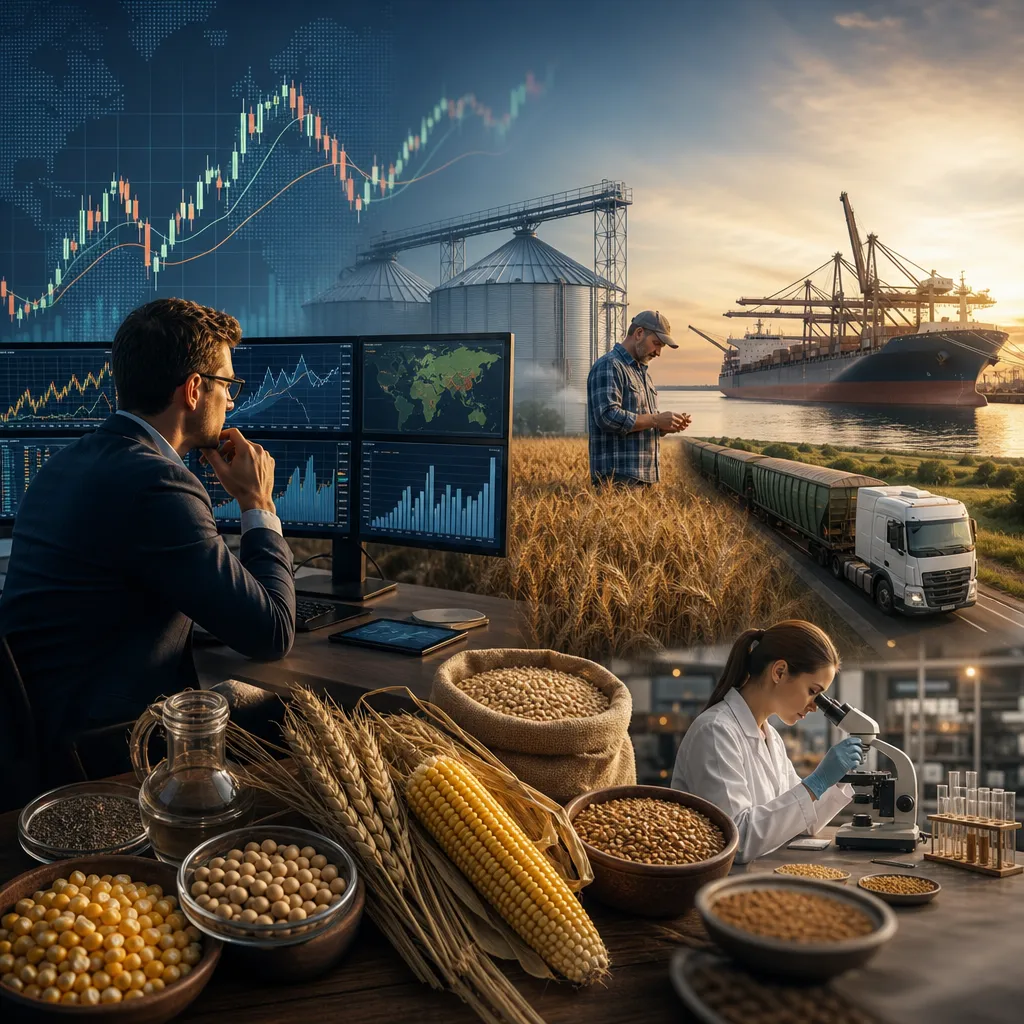
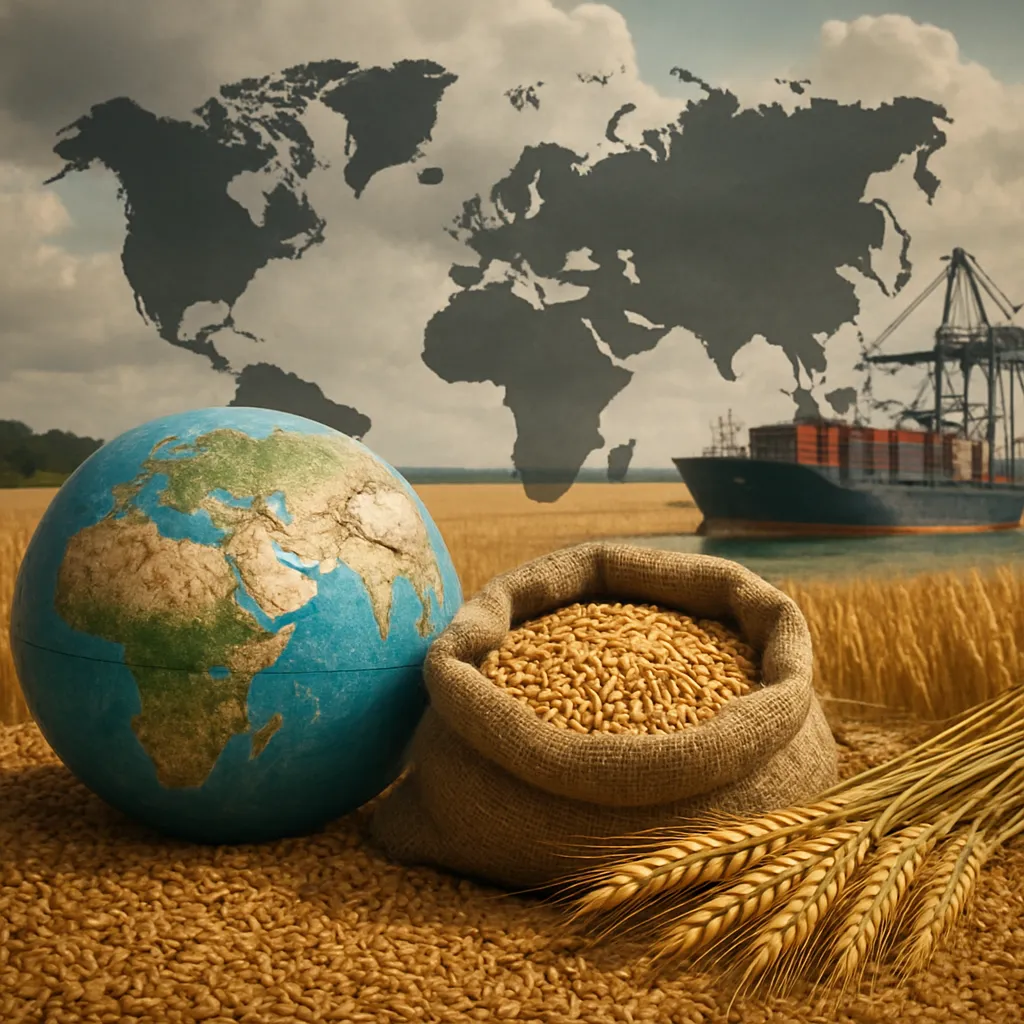
The grain trade sits at the crossroads of agriculture, commerce and power. Its heartbeat echoes through global markets, influencing everything from commodity prices at the supermarket to the stability of entire nations. Understanding why geopolitics matter in grain trade means unraveling a web of alliances, conflicts and strategic calculations. This article explores the driving forces behind grain flows, highlights the geopolitical significance of major producing regions and examines emerging trends that will shape tomorrow’s markets.
Geopolitical Drivers of Global Grain Markets
Political Alliances and Supply Chains
Alliances between states exert a profound impact on the movement of grain. Longstanding partnerships foster predictable supply chains and stable contracts. Nations within trade blocs often enjoy reduced tariffs and coordinated agricultural policies. For example, members of a regional economic union might harmonize phytosanitary standards, streamlining cross-border shipments of wheat or corn. Conversely, countries outside these agreements face higher transaction costs and unpredictable border inspections. The interplay of formal treaties and informal understandings determines which ports handle the bulk carriers, which rail corridors move the grain inland and which wholesalers secure priority access during harvest seasons.
Trade Embargoes and Economic Sanctions
Governments use embargoes and sanctions to exert pressure on rivals, often targeting agriculture to maximize pain. Restricting grain exports can amplify shortages in the targeted country, leading to inflation and social unrest. However, such measures may backfire by prompting alternative trading partnerships. For instance, if Country A imposes an export ban on durum wheat, buyers in Country B might pivot to emerging suppliers in Country C or D, eroding Country A’s market share long-term. Meanwhile, sanctioned nations may invest heavily in domestic production or seek clandestine routes, complicating enforcement and encouraging illicit trade networks.
Infrastructure, Logistics and Strategic Chokepoints
A robust network of elevators, silos, ports and rail lines underpins the grain industry. But infrastructure is also a geopolitical tool. Control over a major port on the Black Sea or the Baltic Sea can translate into leverage over landlocked importers. Chokepoints like narrow straits, canals and border crossings become bargaining chips in broader negotiations. Nations investing in alternative corridors—such as Arctic shipping lanes or transcontinental rail links—aim to bypass potential blockades. These infrastructural shifts not only alter shipping costs but also reshape alliances, as countries rally around shared economic corridors to safeguard uninterrupted deliveries.
Strategic Importance of Grain-Producing Regions
Major Exporters and their Global Influence
Several countries dominate the export market, wielding outsized influence on global food security. Together, the top five exporters – led by two agricultural powerhouses and supplemented by highly mechanized producers – supply a significant portion of wheat, corn and soy. Their domestic policies, weather patterns and crop yields send tremors through world markets. A drought in one region can trigger price spikes in faraway nations. Conversely, bumper harvests can depress global prices, straining the budgets of farmers in less-competitive markets. These big exporters also negotiate bilateral deals, offering concessional rates or credit lines in exchange for political support on the international stage.
Climate Change, Political Stability and Risk Assessment
Climate change exacerbates both yield volatility and resource competition. Regions once deemed too arid for large-scale cultivation are becoming marginally viable, while traditional breadbaskets face increasing threats from extreme weather. Governments under pressure from domestic constituencies may resort to export controls during shortages, amplifying global risk. Political instability—whether from civil unrest, leadership transitions or border disputes—adds another layer of uncertainty. Traders and policymakers must monitor this dynamic environment, employing sophisticated risk models to gauge the likelihood of supply disruptions.
Emerging Producers and Shifting Trade Flows
New entrants into the grain export arena can upend established dynamics. Investments in agricultural technology, land reclamation and irrigation have propelled several countries onto the world stage. As they begin to fill shipping containers bound for distant markets, historical trade flows adjust. Established exporters respond by seeking new clients or forming alternative blocs to preserve market access. These strategic moves reshape diplomatic alignments, as nations compete for secure sources of staple food grains to insulate themselves from the whims of distant suppliers.
Emerging Trends and Future Outlook
Digitalization and Market Transparency
The digital revolution is transforming the grain trade with real-time data on crop health, weather forecasts and shipping schedules. Blockchain-based platforms enable complete traceability, ensuring buyers can verify the origin and quality of every bushel. Government agencies are adopting digital customs clearances, reducing delays and corruption risks at border posts. This surge in transparency strengthens trust among participants but also intensifies geopolitical competition as states vie to establish dominant technology standards and protocols.
Geopolitical Tensions and Price Volatility
Heightened tensions in key regions can inject sudden volatility into commodity markets. Disputes over sea lanes, contested islands or trade disagreements have repercussions far beyond their immediate locale. Even rumors of an impending blockade can trigger speculative buying, driving up futures prices. Market participants must remain vigilant, incorporating geopolitical intelligence into their trading algorithms and hedging strategies. Central banks and international organizations also keep a close watch, coordinating interventions to stabilize markets when extreme price swings threaten global food security.
The Role of Sustainable Practices and Geopolitical Incentives
Growing awareness of environmental and social responsibility is influencing policy and investment decisions. Nations with strong sustainability credentials may attract lucrative trade deals and development aid. Conversely, those neglecting soil health, water conservation or labor standards risk reputational damage and potential trade restrictions from conscientious importers. Geopolitical incentives are emerging to encourage best practices: preferential access to strategic markets, climate adaptation funding and multilateral cooperation on land management. These incentives realign producer behavior, bridging the gap between ecological resilience and geopolitical strategy.
Conclusion of the Geopolitical Grain Equation
Grain trade transcends the simple exchange of commodities; it is an arena where national interests, economic imperatives and strategic calculations converge. From the corridors of diplomatic summits to the silos along major rivers, the shadow of geopolitics is ever-present. As the global population grows and environmental pressures mount, understanding these dynamics will be crucial for governments, traders and consumers alike. Only by appreciating the intricate links between power and plate can stakeholders navigate the uncertain currents of tomorrow’s grain markets.