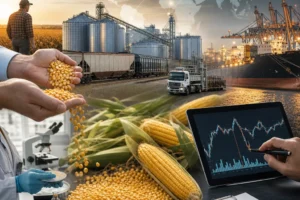
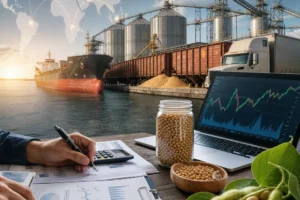
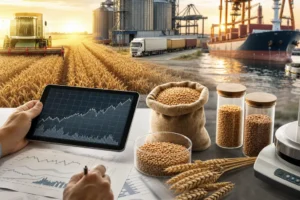
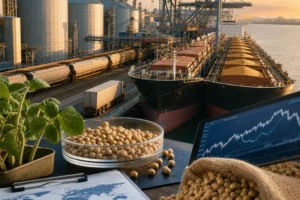

The grain industry stands at the cusp of a transformation driven by advancements in data collection, processing, and dissemination. As global demand for staple crops continues to rise, stakeholders across the supply chain—from farmers and traders to processors and policymakers—seek more accurate, timely, and actionable insights. By harnessing cutting-edge technologies, the sector can achieve unprecedented levels of digitalization, driving improved decision-making and risk management. This article explores key aspects of grain market data integration and outlines how emerging solutions will shape the future of the industry.
Data Aggregation and Harmonization
The foundational step in modernizing grain market operations is effective data aggregation. Multiple sources—including satellite imagery, on-farm sensors, commodity exchanges, and weather stations—produce vast streams of raw information. Standardizing these heterogeneous datasets is critical for achieving interoperability and avoiding costly misinterpretations.
Sources and Challenges
- Agronomic sensors measuring soil moisture, nutrient levels, and crop health
- Real-time price feeds from regional and international commodity exchanges
- High-resolution satellite and drone imagery for yield estimation
- Market sentiment indicators from news and social media analysis
Despite the wealth of available data, challenges arise due to inconsistent formats, varying update frequencies, and disparate access protocols. Harmonizing this ecosystem requires robust extract-transform-load (ETL) frameworks, unified nomenclatures, and common metadata standards.
Innovative Integration Techniques
- API-driven data pipelines that automate ingestion and quality checks
- Cloud-based data lakes offering scalable storage and compute capabilities
- Semantic ontologies that define relationships among agronomic, market, and environmental variables
- Machine learning models that detect anomalies and fill missing values
By establishing these capabilities, organizations can unlock new opportunities for analytics and forecasting, laying the groundwork for more complex decision-support tools.
Real-Time Analytics and AI-Driven Forecasting
With integrated datasets in place, the next frontier is deploying advanced analytics to convert raw numbers into actionable intelligence. The convergence of high-speed computing, artificial intelligence, and distributed data sources has enabled truly predictive capabilities, allowing market participants to anticipate price movements, crop yields, and logistical bottlenecks.
Machine Learning Applications
- Time-series models for price forecasting that incorporate weather, macroeconomic, and geopolitical factors
- Computer vision algorithms that estimate crop density and disease outbreaks from aerial imagery
- Natural language processing tools that gauge market sentiment from news articles and social media
- Reinforcement learning agents that optimize trading strategies under dynamic market conditions
These AI-driven approaches deliver higher accuracy and faster response times compared to traditional statistical methods. Moreover, they can continuously refine their predictions as new data streams in, enhancing their value over time.
Visualization and Decision Support
- Intuitive dashboards that display key performance indicators—such as futures curves, basis spreads, and global supply-demand balances
- Scenario analysis tools enabling “what-if” simulations for policy changes, trade embargoes, or extreme weather events
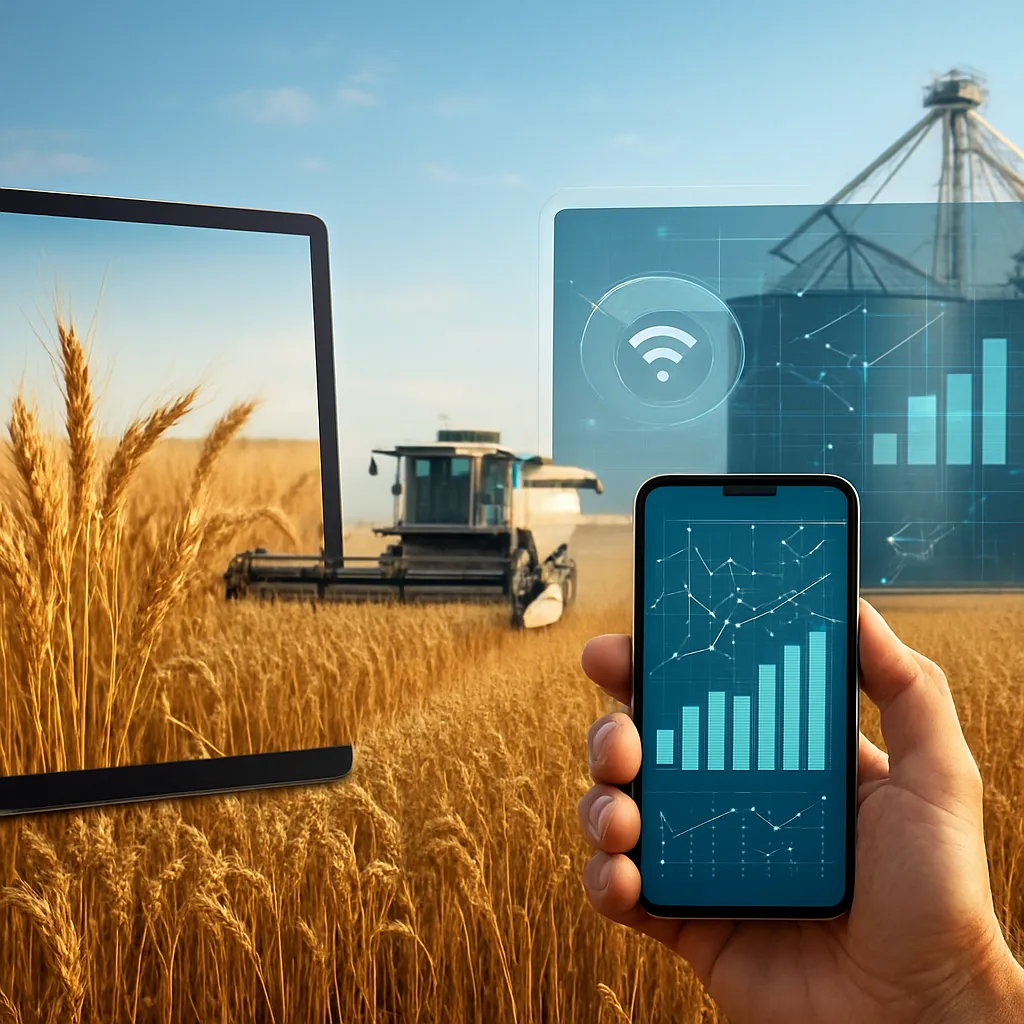
- Mobile applications that alert farmers and traders to critical thresholds in soil conditions or market prices
- Collaborative platforms for sharing insights across stakeholders, from agronomists to finance teams
By integrating these elements, companies can achieve operational optimization and reduce exposure to unexpected risks.
Blockchain and Enhanced Traceability
Transparency has become a cornerstone of modern supply chains, driven by consumer demands for provenance and regulators’ focus on food safety. Implementing blockchain-based ledgers allows immutable recording of transactions, fostering trust among participants and bolstering traceability from farm gate to end user.
Immutable Data Records
- Smart contracts that automate quality checks and payment releases upon meeting predefined criteria
- Cryptographic stamps on each lot of grain, ensuring authenticity and preventing fraud
- Decentralized consensus mechanisms that validate shipments, grades, and certifications
By leveraging these mechanisms, exporters and importers can quickly verify the origin and handling history of grain consignments, reducing delays at customs and minimizing recall risks.
Sustainability and Social Impact
- Verification of sustainable farming practices—such as reduced tillage or crop rotation—through third-party audits published on the blockchain
- Tracking carbon footprints and water usage to meet environmental, social, and governance (ESG) criteria
- Enabling fair trade initiatives that guarantee smallholder farmers receive equitable compensation
These initiatives not only build consumer confidence but also drive investments into sustainability programs and circular economy models.
Future Outlook: Collaboration and Regulatory Alignment
As the grain market evolves, forging collaborative ecosystems will be vital. Stakeholders must align on data-sharing agreements, privacy safeguards, and regulatory frameworks to maximize the benefits of integrated systems. Emerging concepts such as federated learning—where AI models train across siloed datasets without exposing raw data—offer promising pathways to balance confidentiality and collective insights.
Regulators, too, are recognizing the importance of harmonized standards for digital reporting, quality certification, and trade facilitation. International bodies are exploring unified guidelines to ensure that data interoperability does not come at the expense of sovereign requirements or competitive advantage.
Ultimately, the marriage of advanced analytics, secure ledger technologies, and interoperable data infrastructures will propel the grain sector toward a new era of efficiency and transparency. As players across the value chain invest in these capabilities, they will unlock higher resilience, more informed strategies, and sustainable growth for a world increasingly reliant on staple crops.