

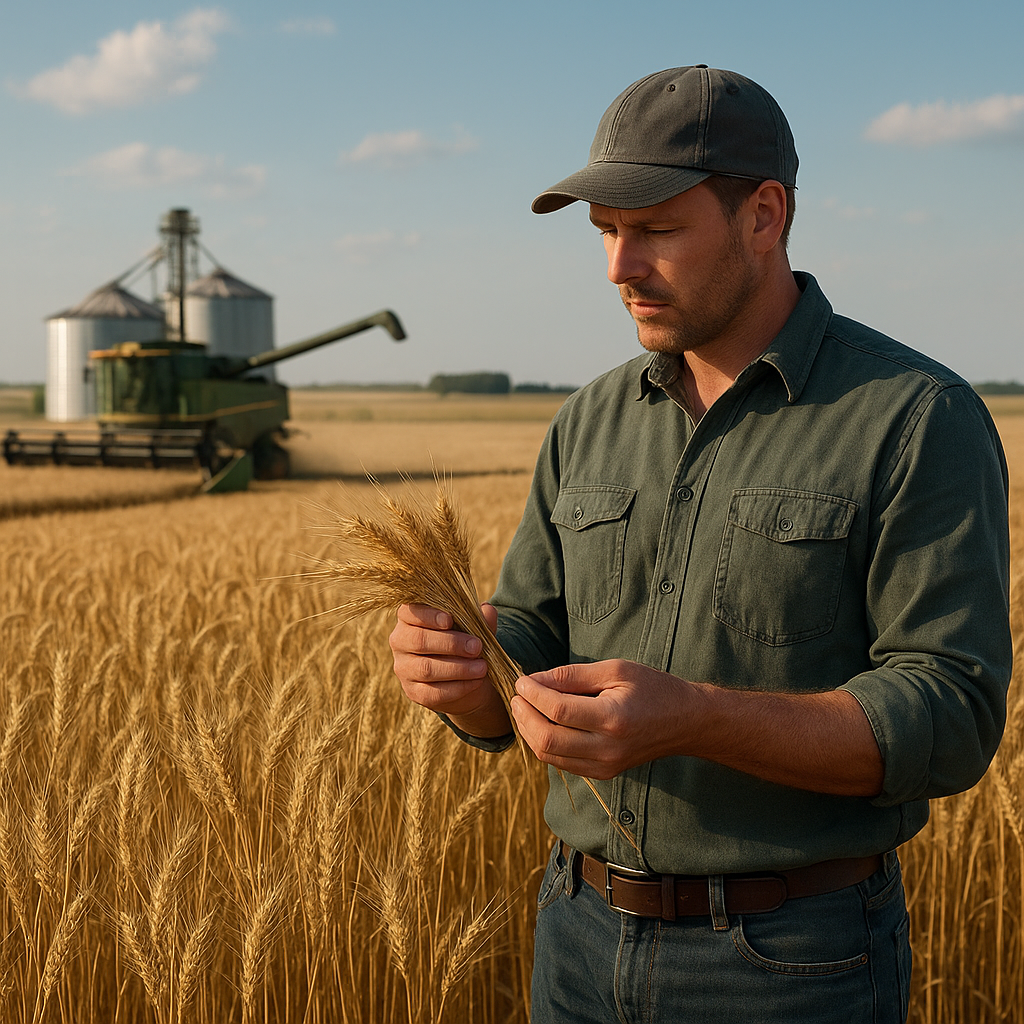
The interplay between evolving consumer choices and grain production has become a driving force reshaping global agriculture. As shoppers demand healthier, more ethical, and environmentally friendly options, growers, millers, and distributors must realign their strategies. This article delves into key trends in modern food markets and examines how these shifts influence everything from varietal selection to supply chains.
Consumer Demand for Health and Sustainability
Lifestyle changes and heightened awareness of environmental issues have fueled interest in wholesome, minimally processed foods. This transformation in preferences spans multiple dimensions:
- Organic certification: Consumers pay premiums for grains cultivated without synthetic fertilizers or pesticides, encouraging farmers to pursue eco-friendly methods.
- Sustainability labels: Carbon footprint, water usage, and soil preservation data influence purchase decisions, paving the way for regenerative agriculture practices.
- Nutrition transparency: Detailed labeling of proteins, fibers, and micronutrients enables health-conscious buyers to select grains that meet specific dietary goals.
- Ethical sourcing: Fair-trade and community-support initiatives ensure a share of profits returns to local producers, bolstering rural economies.
These trends have sparked a reevaluation of traditional commodity crops. While bulk wheat and corn once dominated global markets, niche segments are now expanding rapidly.
Rise of Specialty Grain Varieties
The surge in demand for diverse grains has led to a proliferation of heirloom and heritage cultivars. Among the most notable categories are:
- Ancient grains: Varieties such as quinoa, amaranth, and spelt offer distinctive flavors and robust nutritional profiles, attracting gourmet and health-focused niches.
- Gluten-free substitutes: Rice, millet, and sorghum are cultivated intensively to meet the needs of consumers with celiac disease or gluten sensitivities.
- Pseudo-cereals: Buckwheat and chia have gained popularity as functional ingredients in snack bars and breakfast cereals.
- Colored grains: Black rice, red wheat, and purple barley provide natural pigments and antioxidants, appealing to the rising “superfood” market.
To accommodate these specialty crops, farmers invest in segregated storage facilities, dedicated cleaning lines, and tailored agronomic protocols. Crop rotation schemes often incorporate diverse grains to improve soil health and disrupt pest cycles.
Supply Chain Adaptations and Value-Added Processing
Meeting complex value-added requirements demands significant adjustments across the supply chain. Key developments include:
- Contract farming: Buyers negotiate agreements that specify quality standards, varietal identity, and delivery schedules, ensuring a predictable flow of grain.
- Traceability systems: Blockchain and other digital ledgers record every step from field to mill, providing verifiable origins and boosting consumer confidence in provenance.
- On-site testing: Portable tools for protein, moisture, and purity analysis allow rapid decisions at elevators and ports.
- Customized milling: Facilities now offer fractionation services that produce flours with defined particle sizes, bran contents, and nutritional enhancements.
These enhancements create premium segments in the otherwise commoditized market, allowing stakeholders to capture higher margins while satisfying intricate buyer specifications.
Technological Innovation in Grain Production
Advances in precision agriculture and biotechnology empower producers to balance yield with quality and environmental stewardship:
- GPS-guided machinery: Variable-rate seeding and fertilizer application optimize inputs, reducing waste and improving uniformity.
- Remote sensing: Drones and satellites deliver real-time data on crop health, moisture stress, and pest outbreaks, enabling timely interventions.
- Genome editing: New breeding techniques accelerate the development of disease-resistant, drought-tolerant, and nutrient-enhanced varieties.
- Artificial intelligence: Predictive models forecast weather impacts, market prices, and yield outcomes, supporting strategic planting decisions.
The integration of these tools accelerates the adoption of sustainable practices and fine-tunes production to align with emerging market demands.
Impact on Global Trade and Pricing
Shifts in consumer tastes also reverberate through international commerce. Grain-exporting nations adjust their portfolios to capitalize on high-growth segments:
- Emerging exporters focus on specialty grains, leveraging climate advantages or indigenous varieties to carve out unique positions in overseas markets.
- Importers develop sophisticated procurement strategies, blending bulk purchases with spot buys of certified or traceable lots to manage cost and brand reputation.
- Price premiums for certified or non-GMO grains can range from 5% to over 50% above commodity levels, depending on region and certification rigor.
- Trade policies and tariffs increasingly account for non-price factors, such as sustainability benchmarks and labor standards.
These dynamics intensify competition not only on yield and shipping costs but also on the ability to document compliance with stringent end-market criteria.
Innovating for Future Consumer Needs
Anticipating the next wave of innovation requires close collaboration among breeders, agronomists, technologists, and marketers. Potential frontiers include:
- Biofortified grains enriched with iron, zinc, or vitamins to combat global malnutrition.
- Functional ingredients targeting gut health, such as prebiotic fibers and resistant starches.
- Climate-resilient hybrids designed to endure extreme heat, salinity, or irregular rainfall patterns.
- Zero-waste processing that valorizes husks, bran, and other byproducts into animal feed, bioenergy, or bio-based materials.
Efforts in these areas hinge on robust research funding and effective partnerships between public institutions and private enterprises. Maintaining a pipeline of breakthrough traits and technologies will be essential to stay attuned to evolving dietary preferences and environmental expectations.
Enhancing Trust through Transparency
Consumers increasingly scrutinize every stage of the food journey. Brands that prioritize traceability and open communication gain a competitive edge. Transparency initiatives include:
- Interactive QR codes linking products to farm videos and sustainability reports.
- Third-party audits that verify social and environmental claims.
- Collaborative platforms where farmers, processors, and retailers share real-time performance and compliance data.
Such measures foster loyalty and justify premium pricing for grains produced under rigorous ethical and ecological standards.


