

The intricate relationship between shifting weather patterns and cereal cultivation has become a focal point for agronomists, policymakers, and traders. As global demand for staple grains such as wheat, maize, and rice continues to rise, the agricultural sector grapples with unprecedented challenges. This article explores how climate change is altering grain production, reshaping the market landscape, and driving innovation in farming systems worldwide.
Climate Change Effects on Grain Production
Temperature Extremes and Water Stress
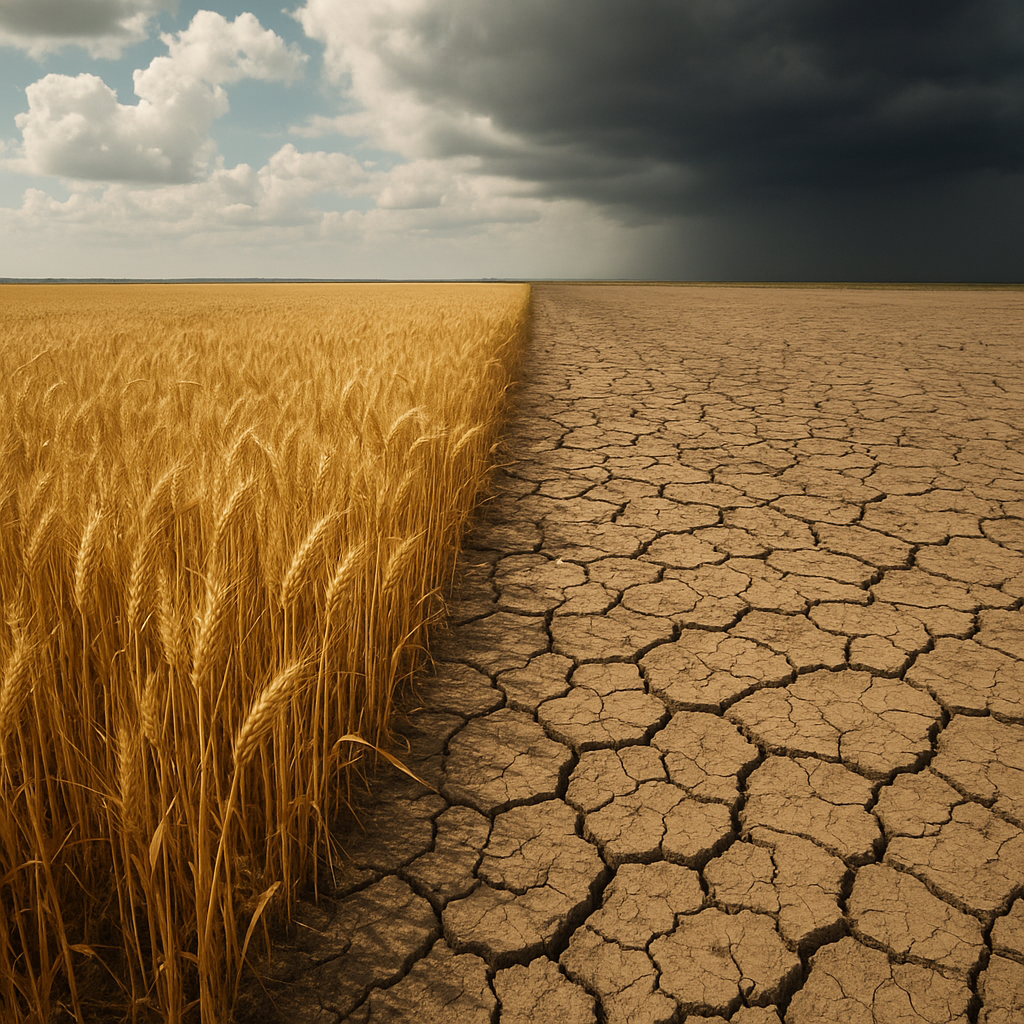
Rising average temperatures and more frequent heatwaves intensify drought risk and accelerate soil moisture loss. During key growth phases—especially flowering and grain‐filling—heat spikes can slough off kernels or reduce grain size. Meanwhile, shifting rainfall patterns lead to prolonged dry spells in some regions and excessive flooding in others. Both scenarios undermine water use efficiency and hamper the development of robust root systems. Farmers increasingly face the dilemma of balancing surface watering with sustainable irrigation practices to maintain optimal soil moisture without depleting aquifers.
Elevated Carbon Dioxide and Crop Physiology
Higher atmospheric carbon dioxide concentrations can stimulate photosynthesis, a phenomenon known as the CO₂ fertilization effect. While this may spur biomass accumulation, it often triggers nutrient dilution, lowering protein content in grains. The net impact on productivity hinges on interactions with temperature, water availability, and soil fertility. In some trials, yield gains of 5–15% under elevated CO₂ have been documented; in others, benefits were negated by simultaneous heat stress or pest outbreaks. The complexity of these dynamics underscores the need for integrated research on crop physiology under multifactorial stressors.
Pest and Disease Pressure
Warmer, wetter climates create hospitable environments for many fungal pathogens, insects, and nematodes. For instance, the range of wheat rust pathogens has expanded northward, threatening major breadbasket regions. Enhanced winter survival of insect pests like locusts and armyworms can devastate fields overnight. The evolving pest landscape forces growers to deploy more aggressive control measures, increasing production costs and raising environmental concerns over pesticide use. Fostering ecological resilience through crop diversification and biological controls becomes critical to mitigate these risks.
Economic Consequences for the Grain Market
Variability in grain output directly affects prices, trade balances, and food security. As yield forecasts fluctuate with unpredictable weather events, market players wrestle with heightened volatility. Smallholder farmers in developing nations bear the brunt of erratic harvests, while large commodity traders adjust hedging strategies to manage risk exposure. Government interventions—such as export bans or strategic reserves—can amplify global price swings when producer countries respond to domestic shortages.
- Supply Chain Disruptions: Extreme weather can choke transport corridors, delaying shipments and inflating logistics costs.
- Insurance Premiums: Increased payout claims for crop failures drive up insurance rates, limiting coverage for vulnerable producers.
- Trade Policy Shifts: Tariffs and quotas may become tools to shield domestic markets, further fragmenting global trade.
Investment in grain storage infrastructure and real‐time satellite monitoring helps stabilize supply, but long‐term market equilibrium hinges on aligning production practices with emerging climatic realities. Commodity exchanges and digital platforms are evolving to integrate climate indices into pricing models, enabling more transparent risk assessment.
Adaptive Strategies and Technological Innovations
Breeding for Resilience
Plant breeders leverage genomic tools to develop varieties with improved tolerance to heat, drought, and salinity. Marker‐assisted selection and gene editing accelerate the incorporation of traits such as deep rooting, stay‐green foliage, and efficient stomatal regulation. Participatory breeding programs engage farmers in selecting cultivars that perform well under local conditions, fostering adoption and ensuring that genetic gains translate into tangible yield improvements.
Irrigation and Water Management
Precision irrigation systems—drip, sprinkler, and subsurface techniques—optimize water delivery by matching supply to crop evapotranspiration rates. Sensors and Internet of Things (IoT) devices feed real‐time data to automated controllers, reducing waste and enhancing productivity. Rainwater harvesting and aquifer recharge projects offer complementary solutions to buffer against dry years. Collectively, these approaches aim to decouple grain yields from erratic rainfall patterns.
Soil Health and Agroecology
Maintaining soil organic matter improves water retention, nutrient cycling, and microbial balance. Conservation agriculture practices—no‐till, cover cropping, and crop rotations—minimize erosion and build carbon stocks. Integrating livestock and agroforestry systems introduces functional biodiversity, mitigating pests and enhancing on‐farm sustainability. By mimicking natural ecosystems, agroecological designs increase system-wide adaptation potential under diverse climate scenarios.
Policy and Market Interventions
Governments and multilateral institutions play a pivotal role in incentivizing climate‐smart agriculture. Subsidies for drought‐tolerant seeds, tax credits for water‐efficient equipment, and carbon credit schemes for sustainable land use can reshape the economics of grain production. Public–private partnerships facilitate knowledge transfer and de‐risk investment in frontier technologies. Meanwhile, consumer preferences for sustainably sourced grains are prompting supply chain actors to adopt traceability standards and environmental certifications.
Outlook on Sustainable Grain Systems
Adapting to a warmer world demands coordinated action across research, policy, and finance. Harnessing innovations in breeding, digital farming, and ecosystem management offers a pathway to stabilize yields and safeguard food supplies. However, success depends on empowering farmers with resources and knowledge to implement context‐specific solutions. Only by integrating scientific advances with socio‐economic support can the global community ensure that grain production remains robust in the face of accelerating environmental change.